Nature’s umbrellas

There are some organisms that thrive in the moist, humid environment that the monsoons bring. And though they have a short life, they are beautiful and intriguing, when they appear.

Right now, the rains are a distant memory, but it wasn’t long ago that we felt our city was just soaking in water… and though we didn’t have the major deluge that Chennai had, we too had our share of dampness and moisture.

There are some organisms that thrive in this moist, humid environment, and though they have a short life, they still look beautiful, and intriguiging, when they appear. Mushrooms are a form of fungi… and in fact, the fruiting body of these organisms.

Mushrooms come in varieties called bolete, puffball, stinkhorn, morel, and gilled mushrooms themselves are often called agarics. However, we can give them our own fancy names, too! Here are some, that I clicked during the rains recently.

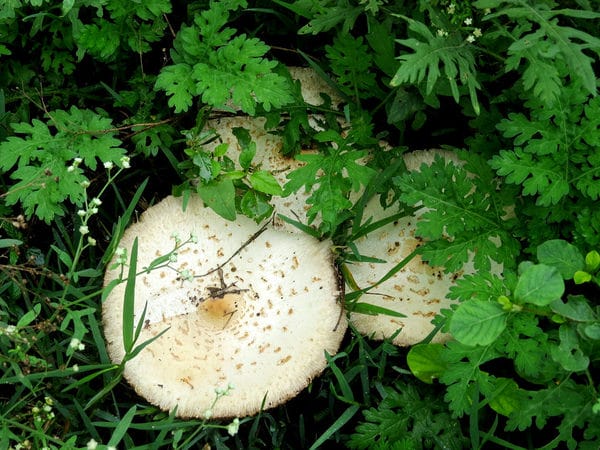
Here are some large mushrooms that remind me of that famous Kannada dish, Thatte idli!

The picture of these two longish mushrooms was beautiful, too…
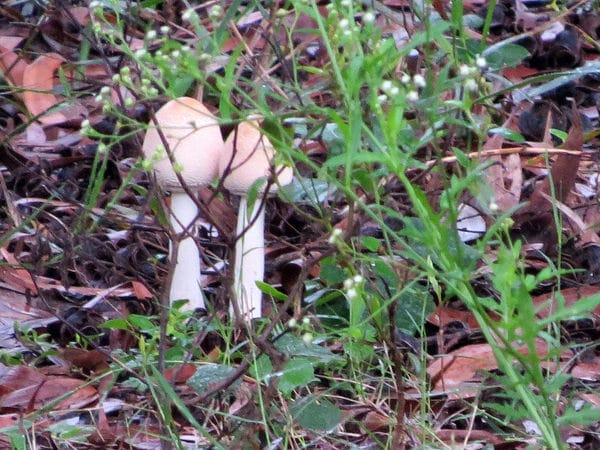
Some mushrooms, like this one, are called ‘toadstools’; earlier, they used to refer to poisonous ones. It’s easy to imagine amphibians sitting on these and croaking out their rain songs!
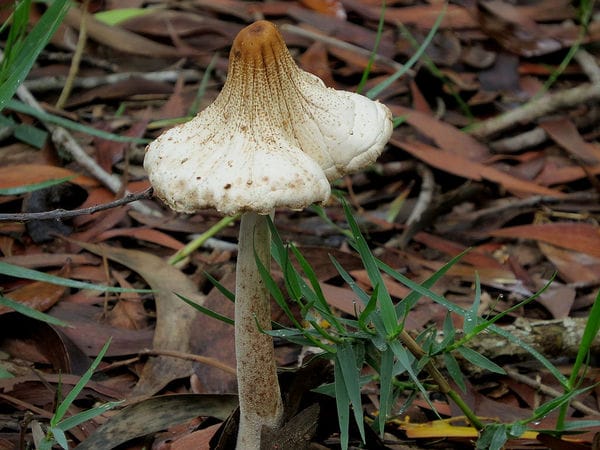
Others remind me of small umbrellas….
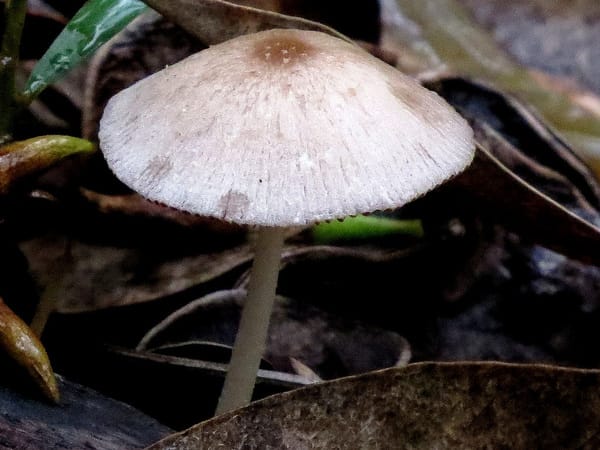
Right in the middle of the wet greenery, they… well… mushroom (yes, their often sudden appearance has given rise to the verb) suddenly, overnight!
Mushrooms come in many colours, and I particularly liked this orange one.
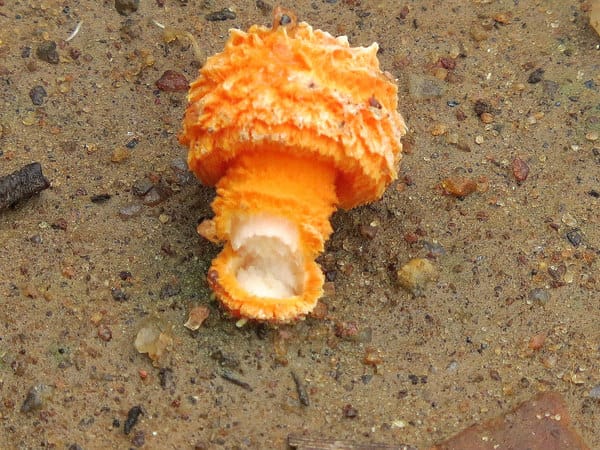
Mushrooms reproduce through spores, which form on the underside of the ‘umbrellas’.
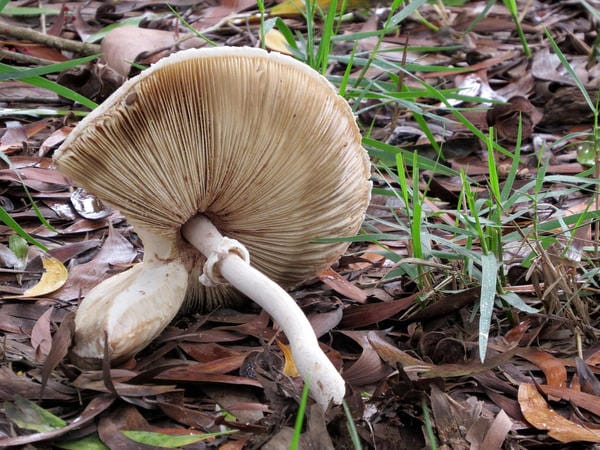
Many mushrooms are supposed to be edible, and very nutritious, too, but I wouldn’t advocate plucking any for the kitchen without knowing more about them! Some can violently disagree with our digestive systems too.
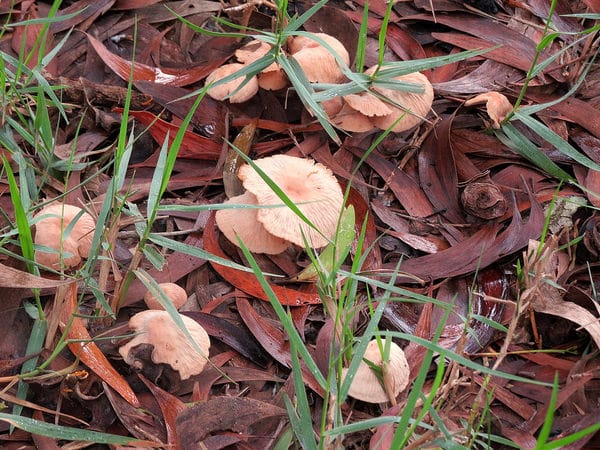
Here’s a beautiful image taken by my friend Vandana Murthy, on November 23rd 2015.
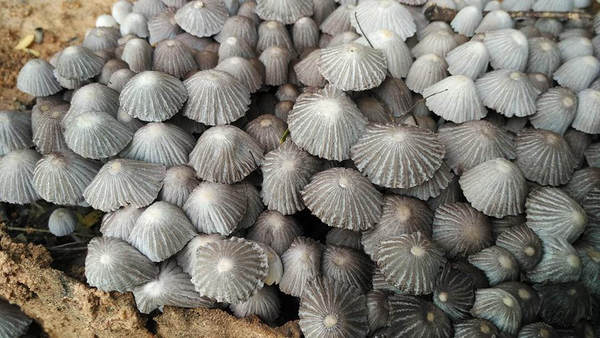
So… looking down as one walks on the grass, or looking up on the trunks of trees, is as much fun in the rains, as it can be at other times! Do look at these “fairies’ umbrellas” when next the weather is damp and gloomy, and they will cheer you up!

Leave a Reply

Your email address will not be published. Required fields are marked *

Similar Story

Bengaluru’s flowering Tabebuia Rosea trees: Think green, not just pink

Cities must not confuse beauty with ecology; Bengaluru’s pink weeks are lovely, but unchecked ornamental planting could make the city prettier but less alive.

Late each winter, Bengaluru briefly transforms into an Indian Kyoto, as roads blush pink, office parks turn photogenic, and social media buzzes with claims of a local “cherry blossom” season. But the star of this spectacle is not cherry at all. It is Tabebuia rosea, the pink trumpet tree, a neotropical ornamental whose native range runs from Mexico to Ecuador. What seems like a harmless aesthetic win is, ecologically, far more complex. The history Bengaluru’s pink canopy is not new. Much of it can be traced back to the 1980s under forester S G Neginhal, who drove a major greening…

Similar Story

Inside Chennai’s AQI: Why hyperlocal monitoring of air quality is crucial

Official data masks Chennai's toxic air. Citizen Matters travelled with the IITM team to map variations in air quality. Watch the video to know more.

Across cities, official Air Quality Index (AQI) readings often overlook local hotspots. Chennai has eight Continuous Ambient Air Quality Monitoring Stations (CAAQMS) that function 24/7 throughout the year. But this isn’t enough to map particulate matter. Air changes every few metres, as researchers from the Indian Institute of Technology-Madras tell us. Seasonal variation, construction, vehicular movement, and proximity to industries also change the air we breathe, In 2022, over 17 lakh people died in India due to air pollution (PM 2.5), according to a Lancet study. With better hyper-local air data and public awareness, citizens and policymakers can target pollution…