The colourful jewels from nature that adorn our city

It's true that our cities are choking with dust, soot and pollution. Yet, there is also a lot of precious beauty, if only one cares to look a little deeper. Some photos from treasure-hunting in Bengaluru.

I don’t find it necessary to go to jewellery shops, as Nature provides me plenty of jewels! All the photographs below are from local gardens in Bangalore.

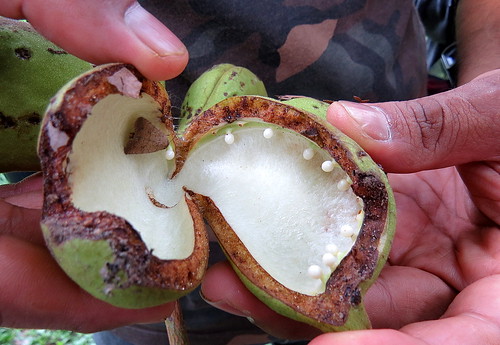
Do I want pearls for a necklace? Here are the pearls of the Sterculia foetida, locally called the Jungli Badam.
IMG_6957

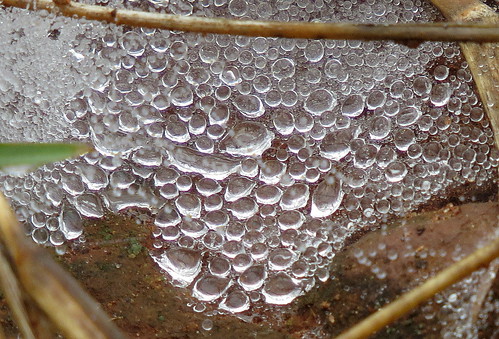
The monsoon season, or even a dewy morning, provides so many diamonds. Here are hundreds,sprinkled over a spider web:
IMG_6714

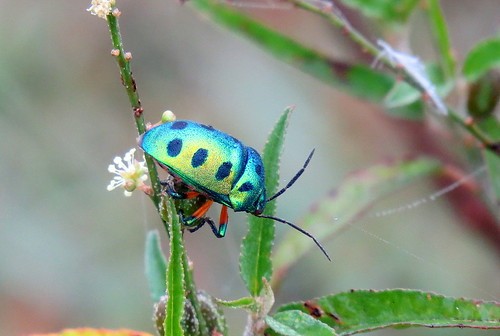
One of the bugs we see often is, indeed, called the Jewel Bug. It appears in rainbow glory, with a metallic sheen, on top of our most common plants and weeds:
IMG_1748

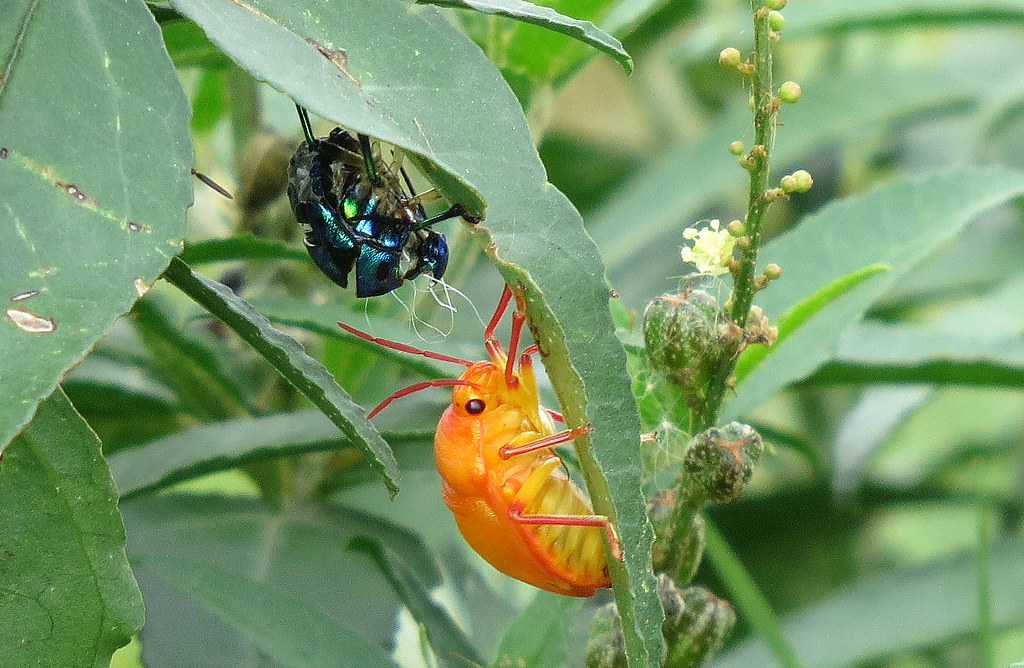
And when the bug decides to moult, it sheds that beautiful outer shell, and emerges, looking bright orange like a coral:
IMG_4734

Then there is the gold of the Copper Pod tree, scattered over the footpaths and roads of our city:
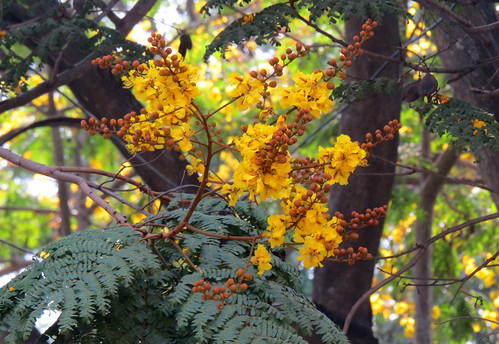
IMG_3523

Did you say rubies? Of course, of course! These are provided by the Bastard Sandal, a plant that gets its name from the fact that its wood is often used instead of real sandalwood, but it has excellent medicinal properties too:
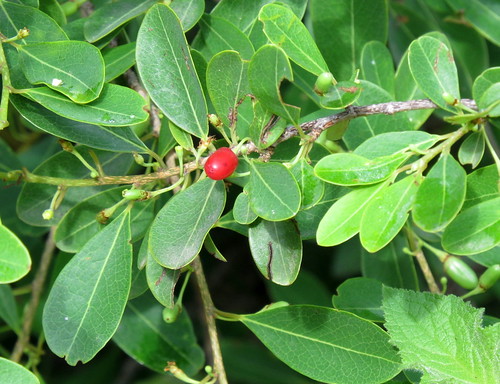
IMG_0488

If I want my rubies with a touch of black, I get the seeds of the Crab’s Eye creeper, locally called Gulaganji:
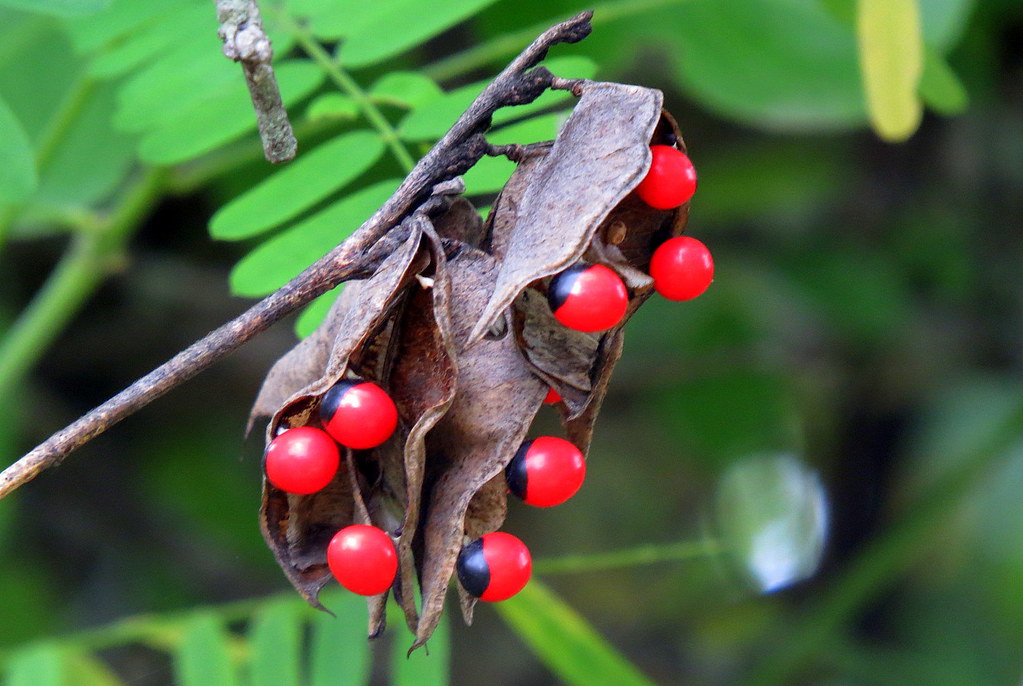
IMG_7163

The Grass Jewel is a butterfly that is well named. It is the smallest butterfly in India, and it’s as exciting to see one as it is to find a jewel!

IMG_7661

All of these jewels come to us with the energy produced by that great jewel of fire in the sky….
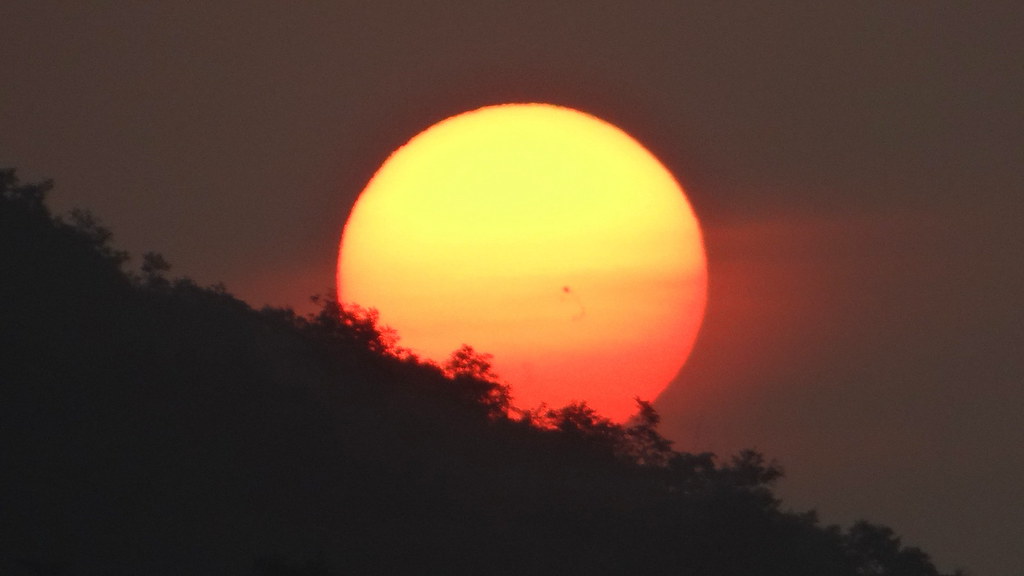
DSC01804

So, keep an eye out for the many treasures, gems and jewels that we can observe in the natural world, as we walk along!

Leave a Reply

Your email address will not be published. Required fields are marked *

Similar Story

Bengaluru’s Peripheral Ring Road: Traffic relief or ecological disaster?

Even as landowners contest unfair compensation, other issues persist: emissions, large-scale tree felling, and the project's alignment through lake ecosystems.

Two decades after the Peripheral Ring Road (PRR) was announced, the project is far from completion. For farmers, it has meant years of uncertainty and mounting financial losses, while residents remain unsure about the usefulness of the long-pending road development. In an earlier article, we explored how the PRR project could lead to forced migration and threaten the livelihoods of farmers. In Part 2 of the series, we did a deep dive into the manipulation of compensation options that landowners strictly oppose. However, farmers and environmentalists raise different concerns: even if the road is built, will it truly ease traffic…

Similar Story

From Kuruvimedu to Besant Avenue, how Chennai breathes unequally

Ahead of the art exhibition ‘Pugai Padam’, this photo essay captures the contrasting realities of air and the lived experiences of air pollution in Chennai.

The chimneys of the NTECL Vallur Thermal Power Station, billowing smoke, loom over Kuruvimedu in Ponneri, Thiruvallur near Chennai. Wedged between the plant and its sprawling 300-acre ash pond, the hamlet lies under a blanket of kari (coal) and sambal (ash), coating its narrow streets, colourful homes, and trees. Kuruvimedu is hard to find on Google maps, just as its namesake bird. The main road leading to this place is flanked by factories and industrial complexes, its surface riddled with potholes that make every journey dangerous for motorists.  Home to mangroves, networks of canals, and fields, Kuruvimedu once buzzed with…