The wonder of the humble Balloon Vine

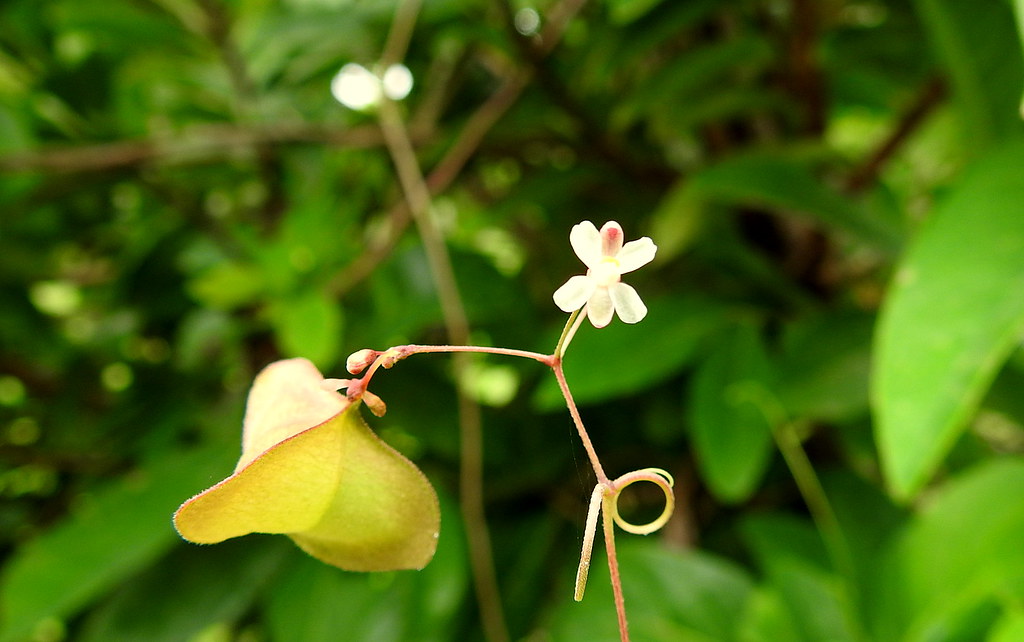
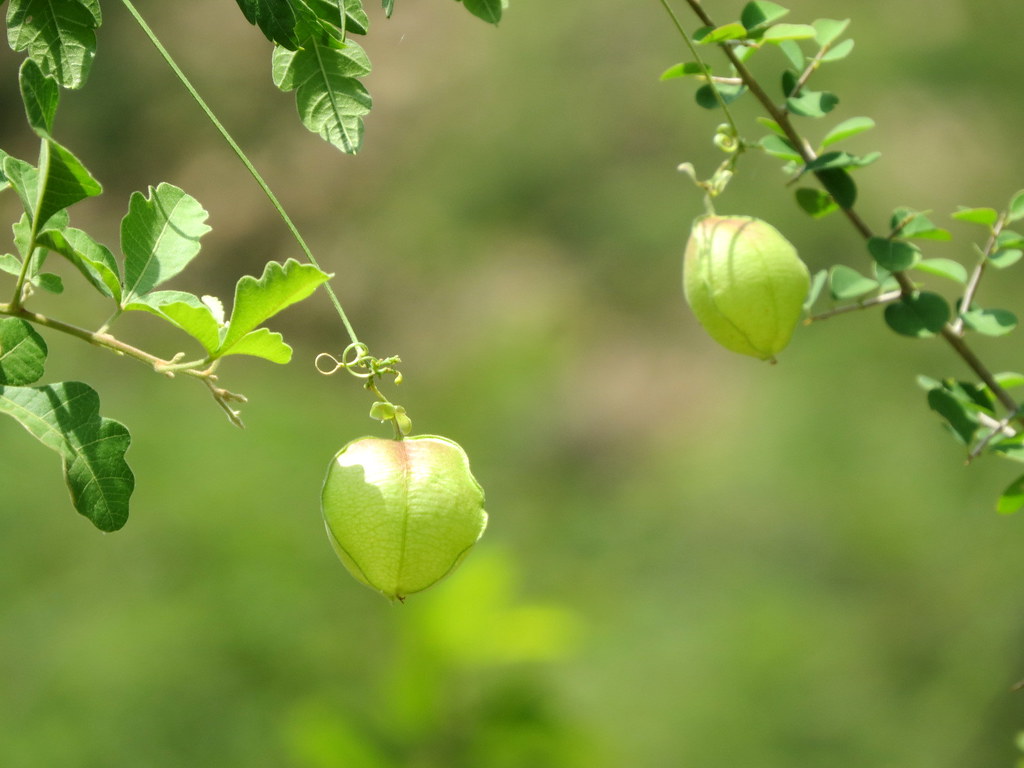
I often come across the Balloon Vine (also called “Love in a puff”) on my walks through the fields and forests around my city. It’s a very common vine, indeed….and in fact, in New Zealand, it is identified as a prohibited pest plant! However, in Kerala, the flower of this vine  is one of the ten “sacred flowers”
IMG_6517

Seed pod and flowers:

DSCN8044

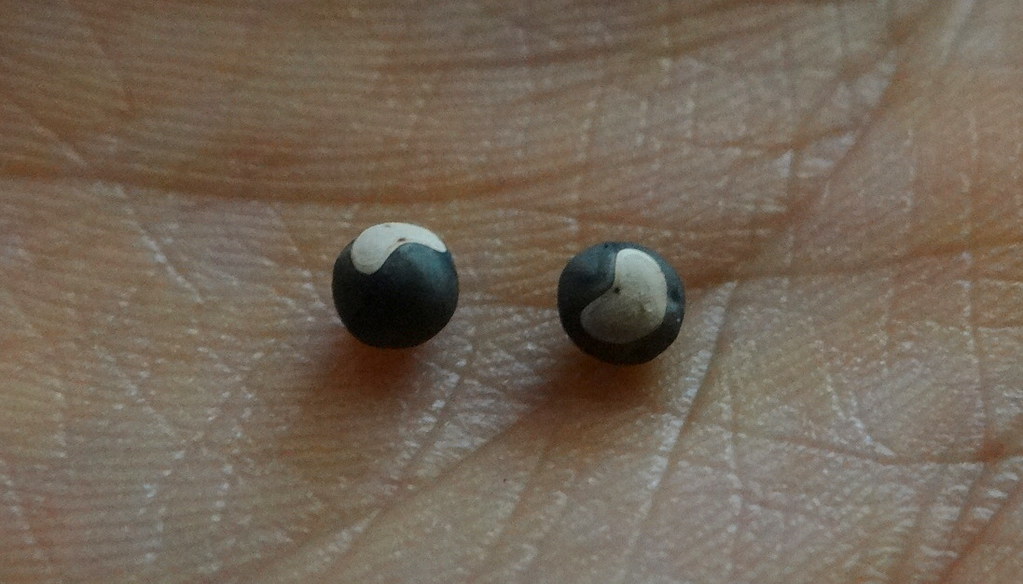
I found that the scientific name for the genus of this vine is “Cardiospermum”. The name intrigued me, until a friend and avid amateur botanist, Ajit Ampalakkad, showed me the seeds inside the “balloons”. Each seed was attached to the seed pod, and when removed, that area showed a beautiful heart-shaped pattern.
DSC04293

Hence…”cardio”, meaning heart, and “spermum” meaning seed. Voila! A tough-sounding scientific name was explained.

But there were more interesting things about this vine to be discovered; I realized that it has anti-diarrhoeal and homoeopathic properties.

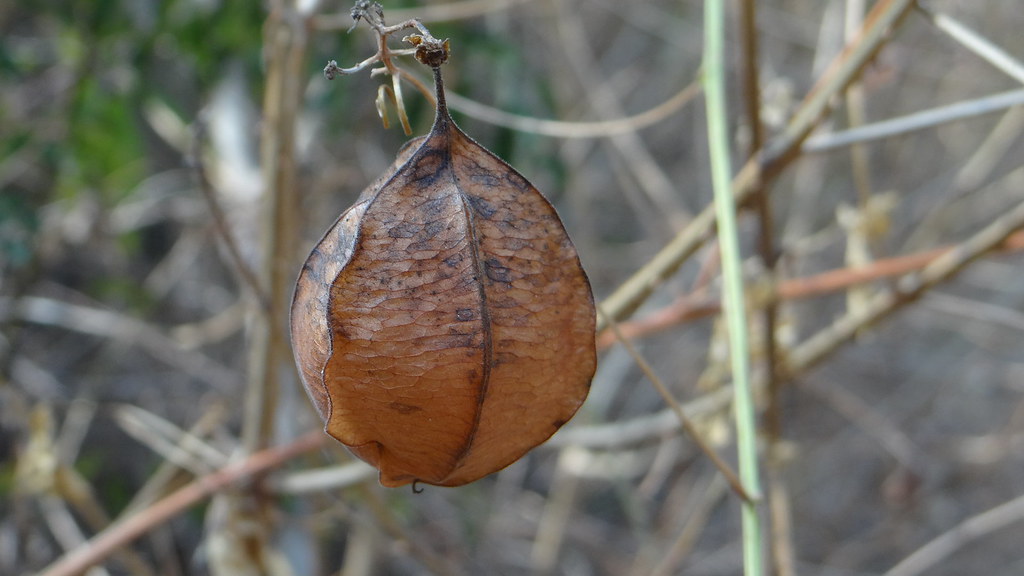
Ripe seed pod:
DSC07747-001

Here is a blog by Ramya Venkateshwaran in April 2015,  describing the various ways the leaves of this vine can be prepared. I also came across this video, part of a food/travel series called “Suttralam Suvaikkalam”, hosted by  Rakesh Raghunathan in which the green leaves are ground and added to rice batter to make tasty dosai (not dosas, which is a pan-Indian term…dosai is the Tamil word!)

So…do look around you if you are walking down country or wooded paths…if you collect the leaves of this vine (called “Mundakathan keerai” in Tamil), you will be doing yourself a good turn healthwise, if you include this in your diet!

Leave a Reply

Your email address will not be published. Required fields are marked *

Similar Story

Mumbaikars are fighting for their mangroves. Here’s how you can join them

Mumbai is about to face a monumental loss—its mangroves are being cut to build the coastal road. Citizens, however, have not given up the fight to save them.

​“What happens when we remove this natural infrastructure of the city? What happens if it floods? What happens if the air quality (index) goes really high?” asks Pooja Domadia, a member of the Save Mumbai Mangroves campaign. These are questions that many Mumbaikars have as work begins on the Versova-Bhayandar Coastal Road, which is set to affect 45,000 mangrove trees. In March this year, the Supreme Court dismissed a petition challenging the Bombay High Court order to greenlight the cutting of mangroves for the project. Is the SC decision a fatal blow to the movement? The BMC has already begun…

Similar Story

Where are the pollinators in Bengaluru?

Despite the volumes of citizen-generated data on the city's biodiversity, pollinators who sustain the urban ecosystem do not seem to be getting their due attention.

Urban biodiversity is often discussed in terms of tree cover, lakes, or flagship species, but far less attention is paid to pollinators—the insects and birds that quietly sustain urban ecosystems. In Bengaluru, a rapidly urbanising city with a strong culture of citizen science, large volumes of biodiversity data are now being generated by the public. But what does this data tell us about pollinators in the city? This article draws from a data jam hosted by OpenCity in Bengaluru that explored pollinator observations using publicly available, citizen-generated datasets. By analysing long-term observation records and spatial data on land use and…