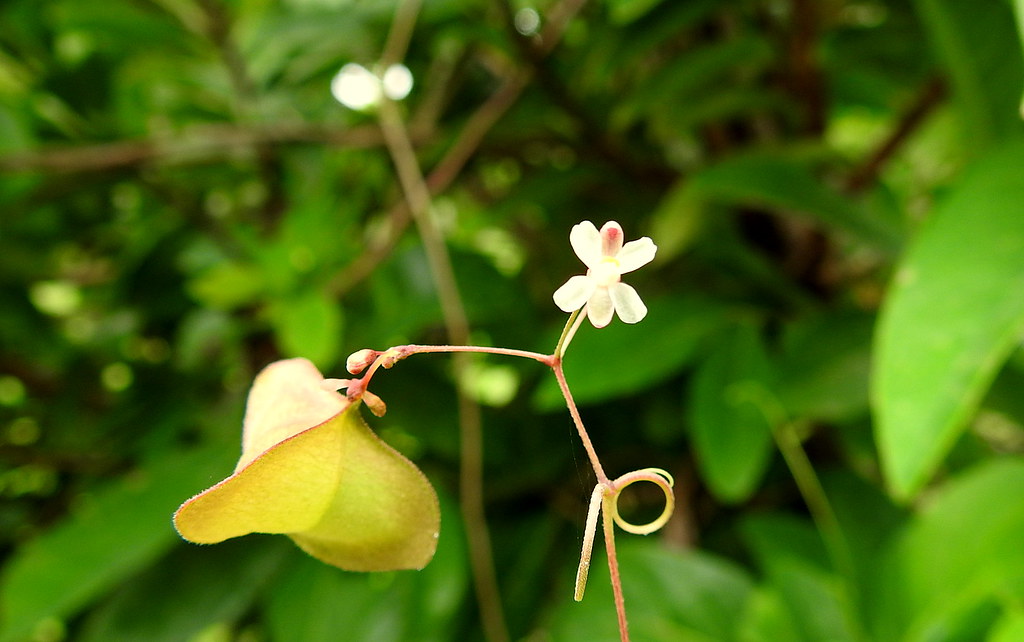
The wonder of the humble Balloon Vine

I often come across the Balloon Vine (also called “Love in a puff”) on my walks through the fields and forests around my city. It’s a very common vine, indeed….and in fact, in New Zealand, it is identified as a prohibited pest plant! However, in Kerala, the flower of this vine  is one of the ten “sacred flowers”
IMG_6517

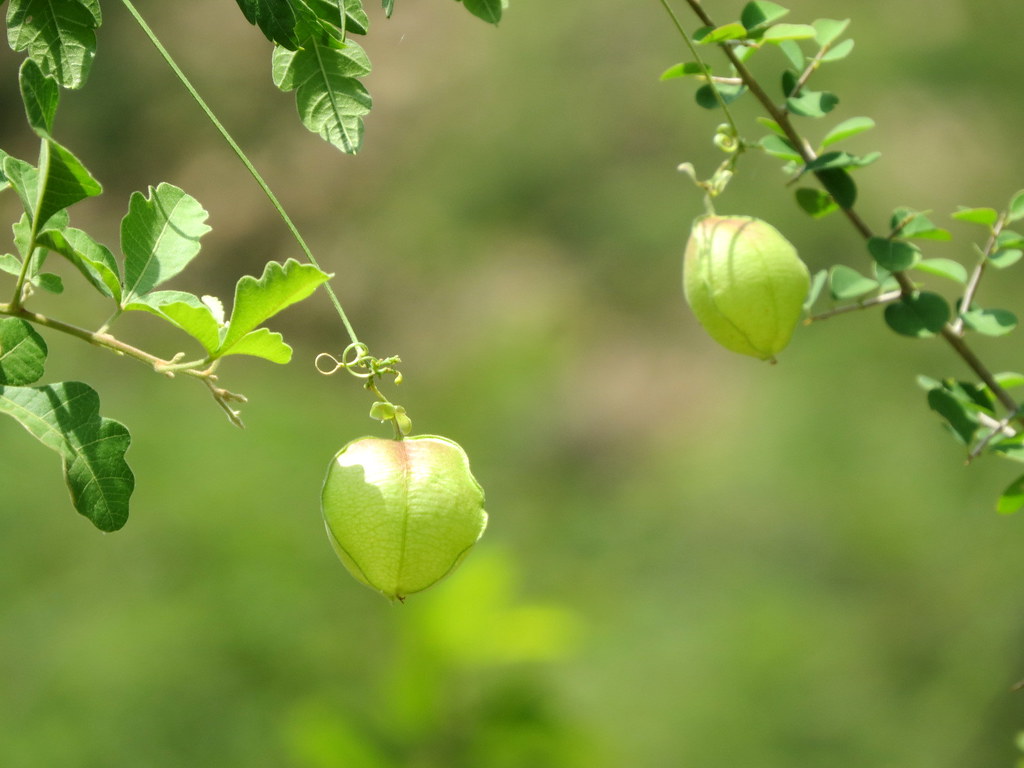
Seed pod and flowers:

DSCN8044

I found that the scientific name for the genus of this vine is “Cardiospermum”. The name intrigued me, until a friend and avid amateur botanist, Ajit Ampalakkad, showed me the seeds inside the “balloons”. Each seed was attached to the seed pod, and when removed, that area showed a beautiful heart-shaped pattern.

DSC04293

Hence…”cardio”, meaning heart, and “spermum” meaning seed. Voila! A tough-sounding scientific name was explained.

But there were more interesting things about this vine to be discovered; I realized that it has anti-diarrhoeal and homoeopathic properties.

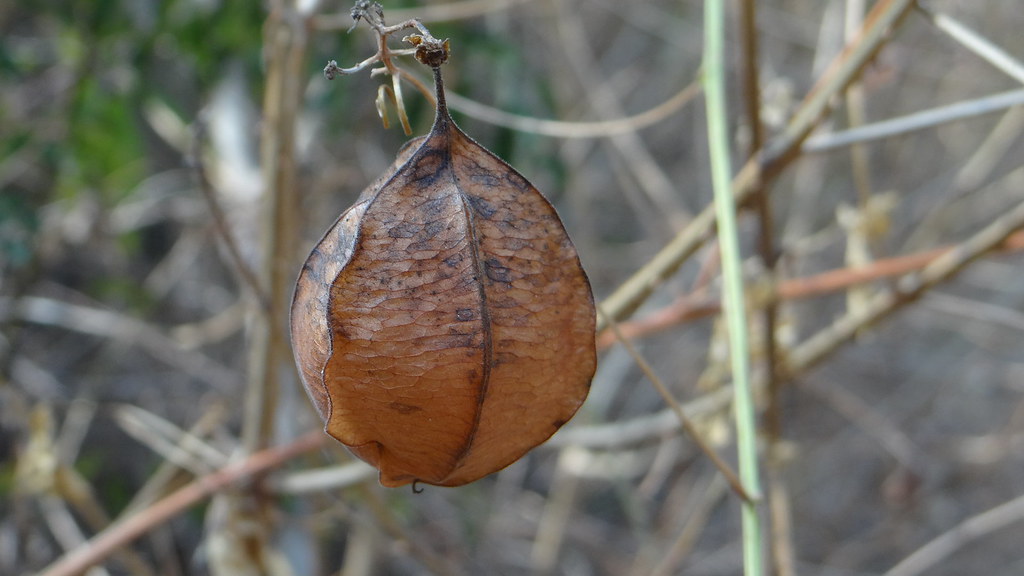
Ripe seed pod:
DSC07747-001

Here is a blog by Ramya Venkateshwaran in April 2015,  describing the various ways the leaves of this vine can be prepared. I also came across this video, part of a food/travel series called “Suttralam Suvaikkalam”, hosted by  Rakesh Raghunathan in which the green leaves are ground and added to rice batter to make tasty dosai (not dosas, which is a pan-Indian term…dosai is the Tamil word!)

So…do look around you if you are walking down country or wooded paths…if you collect the leaves of this vine (called “Mundakathan keerai” in Tamil), you will be doing yourself a good turn healthwise, if you include this in your diet!

Leave a Reply

Your email address will not be published. Required fields are marked *

Similar Story

Open letter to Chief Justice of India: Withdraw unjust remarks made against environmental groups

In the letter, conservationists, lawyers and civil society groups highlighted the constitutional right of citizens to demand the enforcement of environmental laws.

A collective of citizens, environmentalists, legal experts and civil society organisations from across India has demanded that the Supreme Court withdraw oral remarks made by the Chief Justice of India (CJI) during the Pipavav Port hearing on May 11, 2026. The group aims to ensure these comments are not misinterpreted as questioning the legitimacy of genuine environmental public-interest litigation, or the constitutional right of citizens and affected communities to demand the enforcement of environmental laws. In an open letter to the CJI, the coalition outlined urgent environmental concerns and the right of citizens to question irregularities in projects negatively impacting…

Similar Story

The trees we forget: What a city loses when the canopy disappears

Bengaluru's trees are more than shade; they are memory, identity, and resistance. Their loss leaves the city harsher and emptier.

Summer in India has been merciless this year, with many states recording temperatures above 42 degrees Celsius and rising reports of fatalities. Despite these harsh conditions, urban support continues for development projects that clear trees, wetlands, mangroves, and forests near cities. A recent Article 14 report provides data on thousands of trees that will soon be sacrificed nationally for infrastructure projects. Those opposing such unscientific large-scale tree felling are often labelled 'tree-huggers', 'anti-development' and 'anti-nationals'. While capitalism accelerates environmental degradation and the world faces a growing climate crisis, societal divisions deepen.  Yet, we give trees too little credit: Beings necessary…