PNLIT at Radio One’s #BangaloreAtItsBest Awards function

PNLIT is delighted to be one of the recipients of 94.3 Radio One’s #BangaloreAtItsBest awards, given away at a function in Bangalore on 31st May 2015. There were about 27 individuals/groups/businesses that were recognised for “outstanding service to the city of Bangalore and working towards keeping #BangaloreAtItsBest”. I was happy to collect the certificate from the Chief Guest Justice Santosh Hegde, on behalf of PNLIT.
Thanks to all our supporters for helping PNLIT make a positive difference!
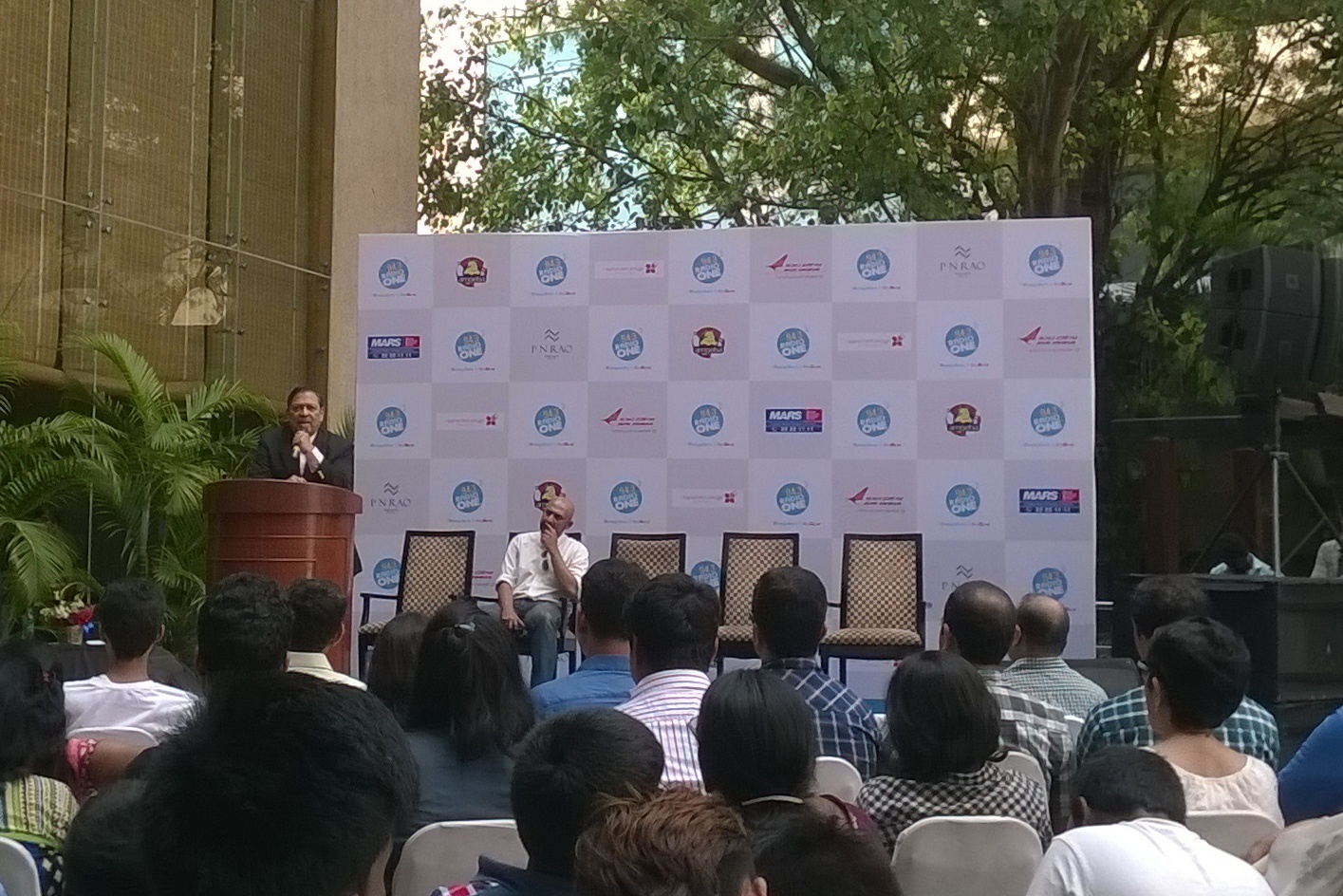
Justice Santosh Hegde speaks 
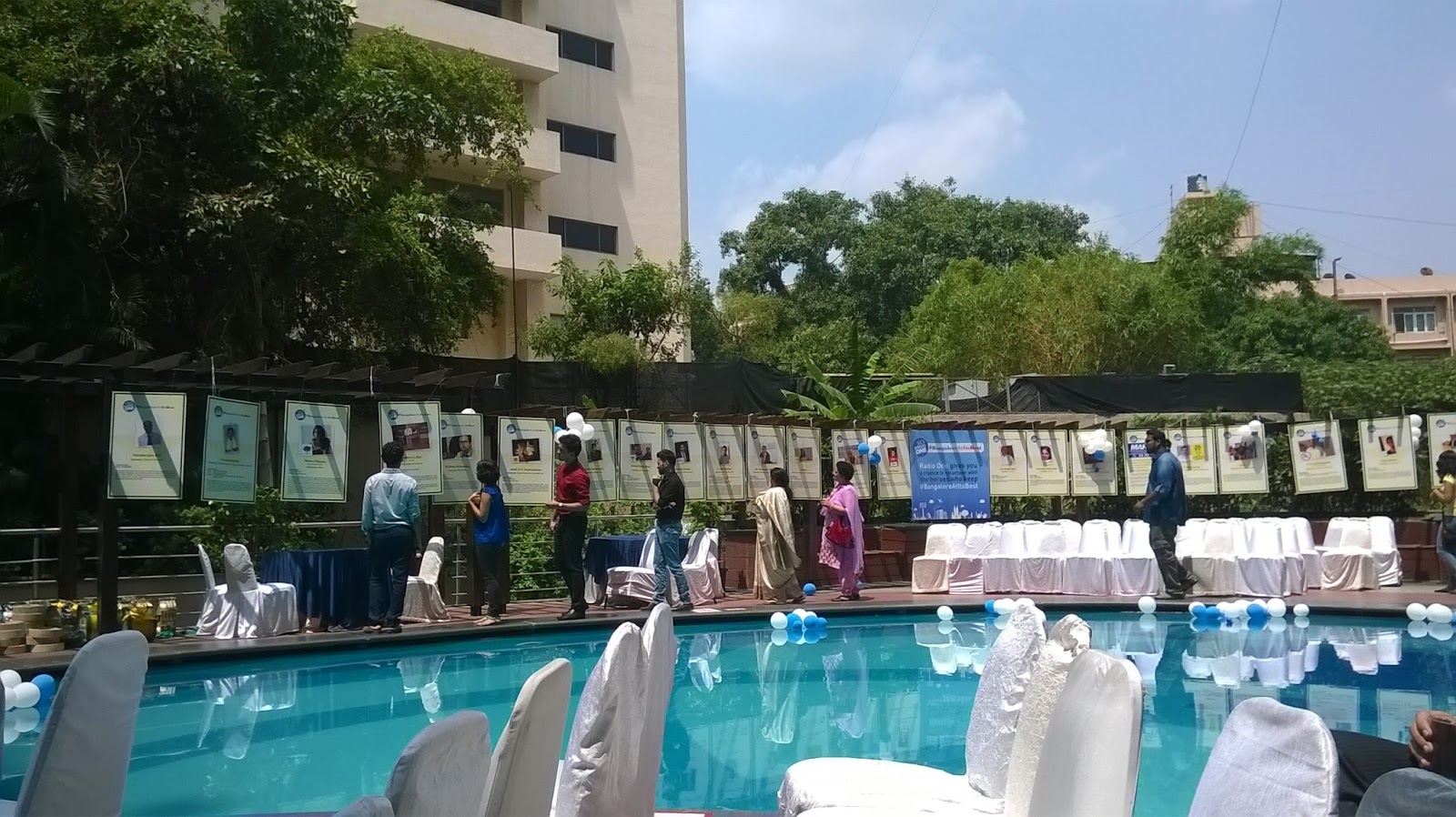
 
A view of the “heroes” on display at the function
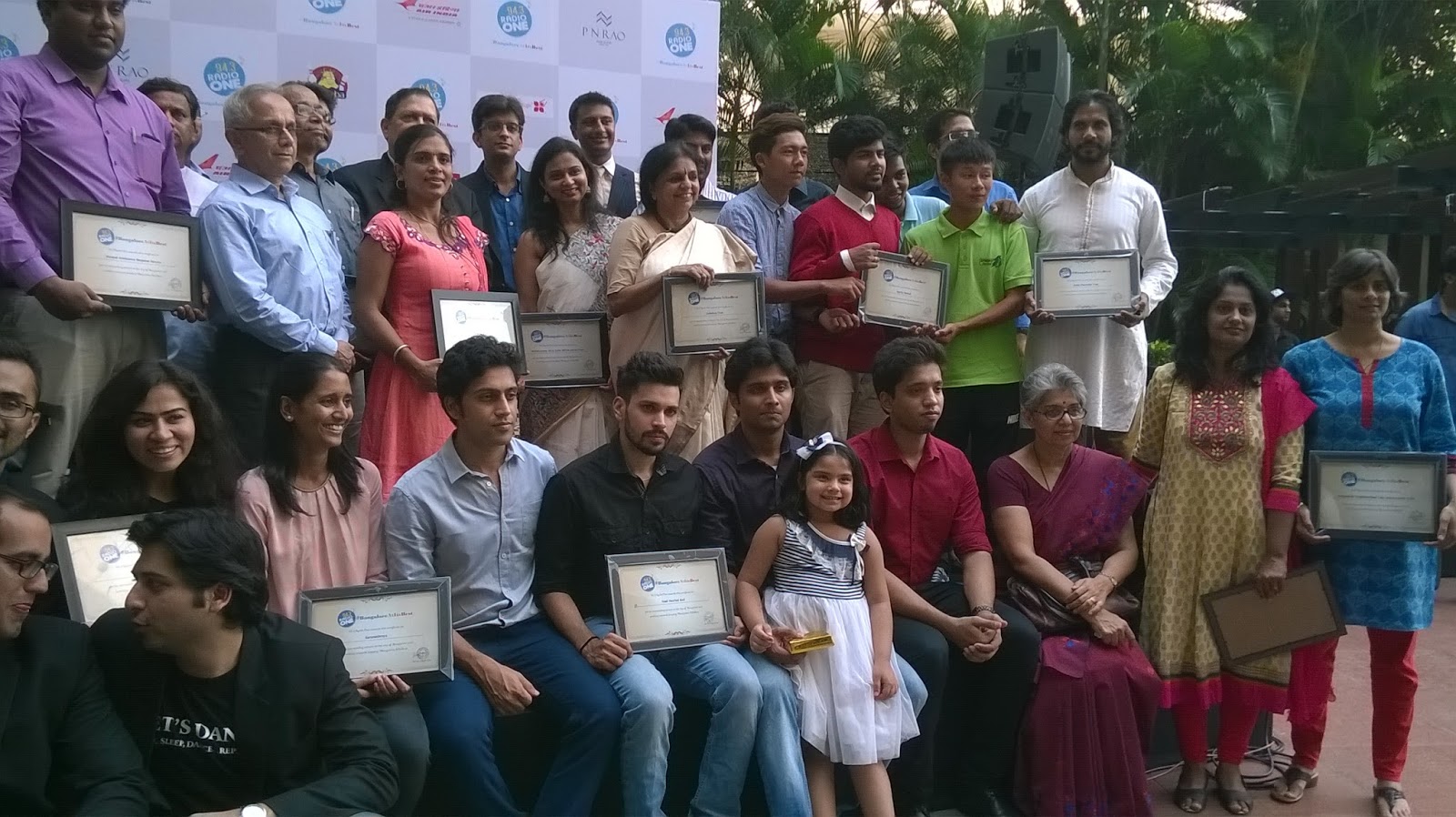
 
Some of the awardees

Leave a Reply

Your email address will not be published. Required fields are marked *

Similar Story

Notes from the field: Why Begur Lake is losing its waterbirds

71% of waterbirds at Begur Lake are declining. A visit to one of Bengaluru’s rapidly deteriorating lakes shows what's causing the collapse.

During the Open City biodiversity datajam held in December 2025, our group examined the ecological trends around Bengaluru’s lakes. Our analysis suggests a majority of waterbirds are declining across the city's lakes. Earlier, we addressed crucial questions on how migrant and resident waterbirds are surviving across 14 of Bengaluru’s lakes, how the shape of the lakes influence microhabitats, and how a scoring system can be used to record the decline in lake quality and bird populations. The last of our four-part series turns its attention to an individual site. As part of this study of waterbirds in 14 city lakes,…

Similar Story

Bengaluru lakes are changing, and birds are paying the price

From disappearing reedbeds to altered shores, here is why some of the city's lakes are thriving while others face ecological collapse.

While bird detection trends over the years clearly point to the decline of Bengaluru’s shoreline and vegetated-edge habitats, numbers alone tell only part of the story. In Part 3 of this four-part series on the state of the city's waterbirds, we have used a scoring system to understand how stressed the lakes and the microhabitats within the lake are, based on the bird diversity they support. We explore how lake shape, permanent inundation and shifts in citizen-led management might explain why some lakes may thrive as wetlands while others collapse.  For instance, at Kasavanahalli, the Pied Kingfisher and the Coot…