PNLIT at Radio One’s #BangaloreAtItsBest Awards function

PNLIT is delighted to be one of the recipients of 94.3 Radio One’s #BangaloreAtItsBest awards, given away at a function in Bangalore on 31st May 2015. There were about 27 individuals/groups/businesses that were recognised for “outstanding service to the city of Bangalore and working towards keeping #BangaloreAtItsBest”. I was happy to collect the certificate from the Chief Guest Justice Santosh Hegde, on behalf of PNLIT.
Thanks to all our supporters for helping PNLIT make a positive difference!
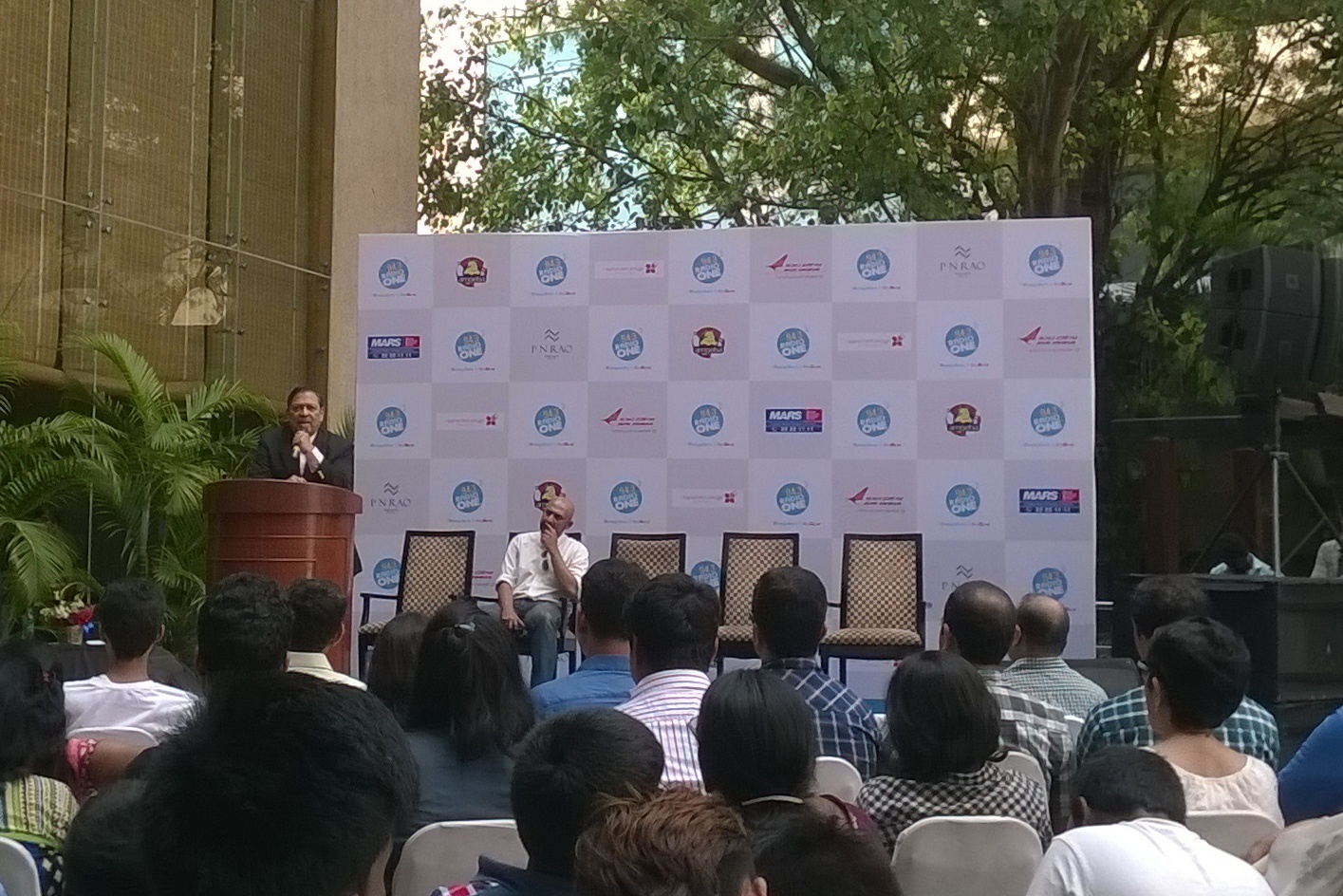
Justice Santosh Hegde speaks 
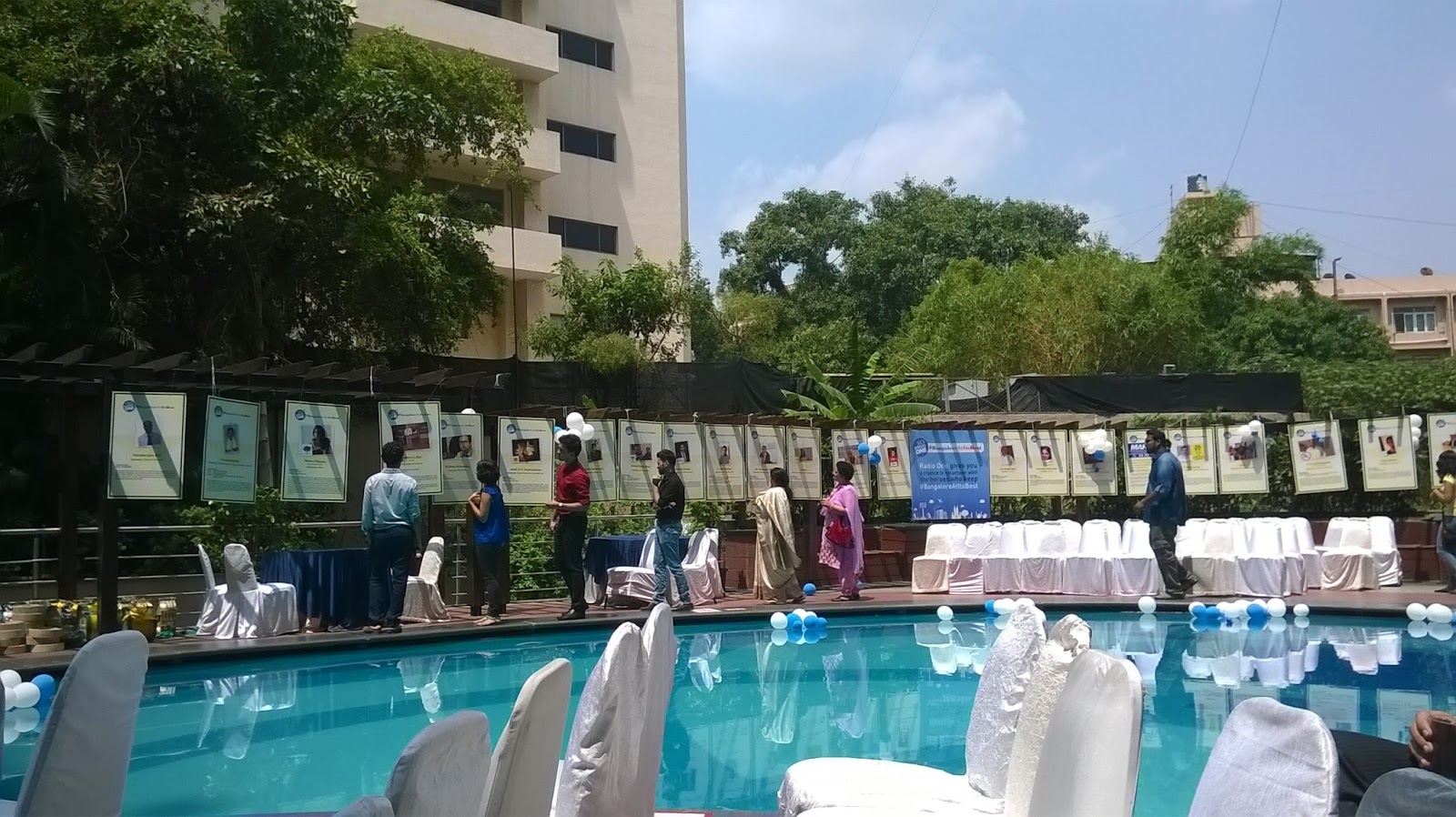
 
A view of the “heroes” on display at the function
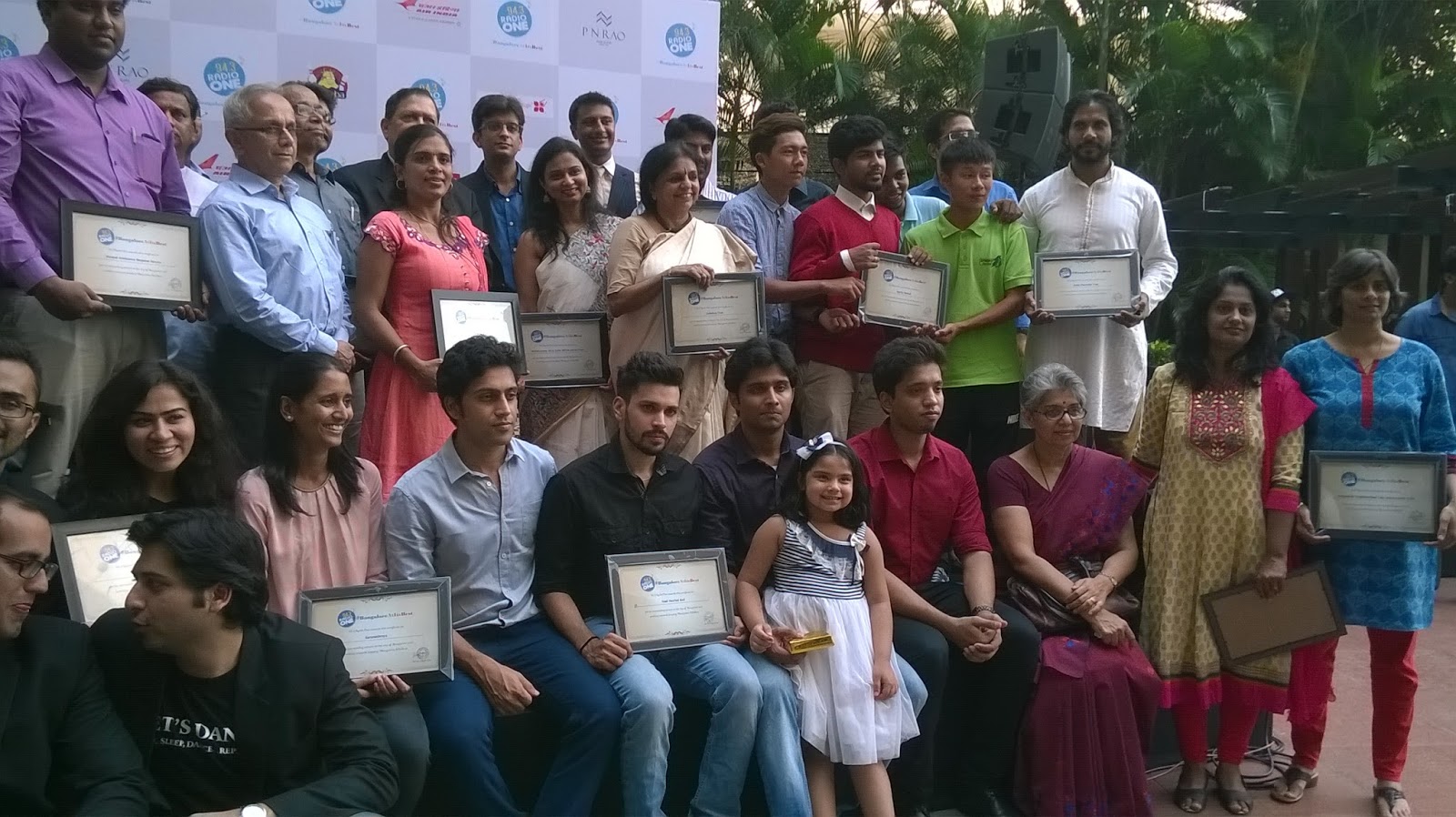
 
Some of the awardees

Leave a Reply

Your email address will not be published. Required fields are marked *

Similar Story

Can cool roofs beat Chennai’s heatwaves? A look inside the state’s Green Schools push

Amid heatwaves, the cool roof initiative is being implemented across Chennai schools. But experts warn that it cannot be the single solution for urban heat.

Over the past few years, maths teacher Usha found her classroom sweltering during her usual 12.50–1.50 pm period, on the second floor of Perunthalaivar Kamarajar Government Girls Higher Secondary School. “It was so difficult to take class during the peak hours,” she says. But this year, she mentions that it feels slightly bearable, and attributes this to the shade of the trees, the wind blowing through the building, and the latest addition — solar-reflective paint on the roof. Data from a state government and UNEP Cooling pilot project at the Ambattur school shows that reflective coating brought the classroom’s internal…

Similar Story

The ecological burden: Bidadi township debate highlights growing threat to wildlife movement

The proposed GBIT project could affect elephant habitats between Bengaluru and Ramanagara, worsening human–wildlife conflict.

The proposed GBIT project has generated considerable debate regarding its potential ecological impacts on the Bengaluru–Ramanagara landscape. Two overarching concerns include the loss of highly productive agricultural land, and the transformation of the region's existing natural ecosystems. In particular, the large-scale loss of tree cover and waterbodies has attracted significant public attention. However, another key ecological dimension is wildlife habitats and animal mobility. Unlike agricultural fields or trees, wildlife movement is dynamic and spans diverse landscapes. The area between Bengaluru and Ramanagara is marked by recurring human–wildlife conflicts, particularly human–elephant. Understanding these elephant movements is crucial  for addressing broader ecological…