60 Young Visitors to the Puttenahalli Lake

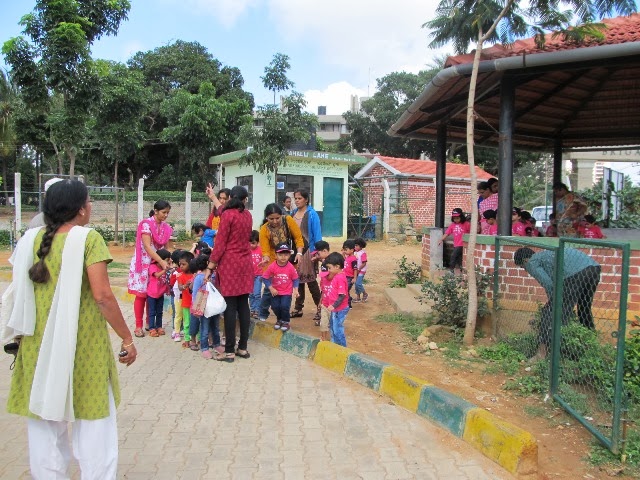
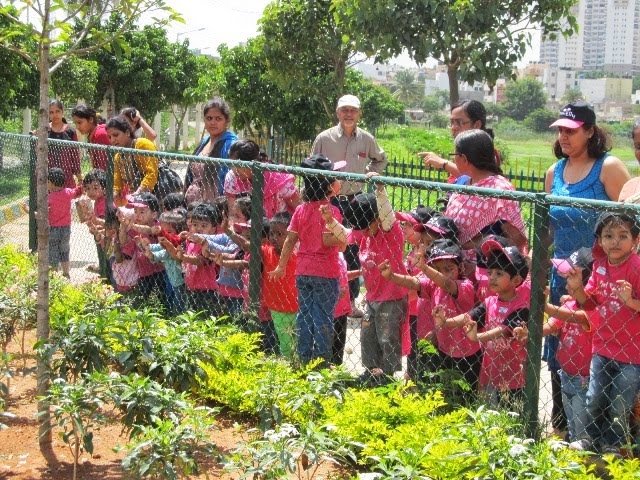
Children from three branches of a play school visited the lake today, 26th Aug. 2013. They had been learning about birds and flowers from books and had come to see them in real.
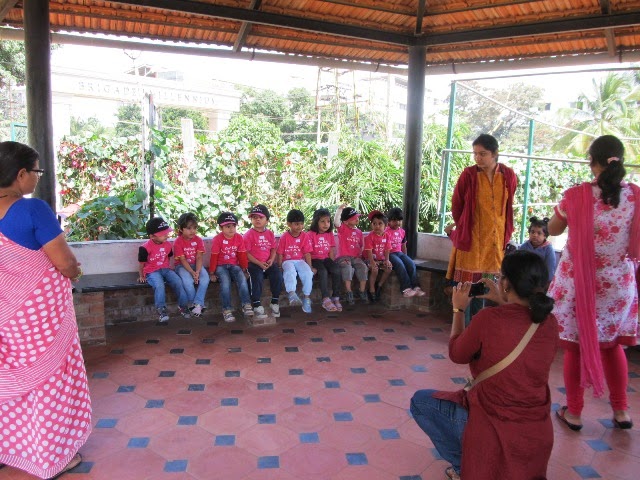
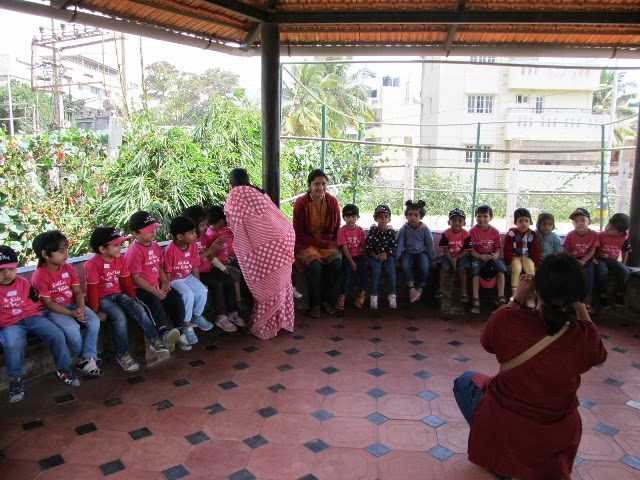
 
 
The first excitement was an insect in the gazebo and then the walk began. 
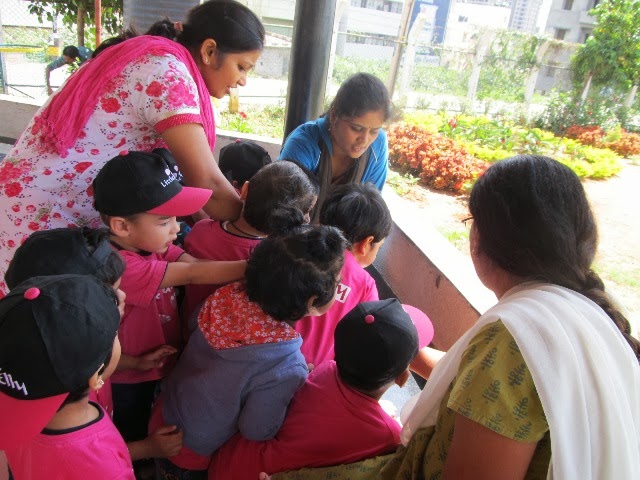
 
 
As if flowers in our garden, butterflies flitting everywhere and birds in the sky and water were not enough, the sight of the chicks of the Common Coot made the three year olds open their eyes even wider. A couple of slugs and a wriggling earthworm added to their excitement. 
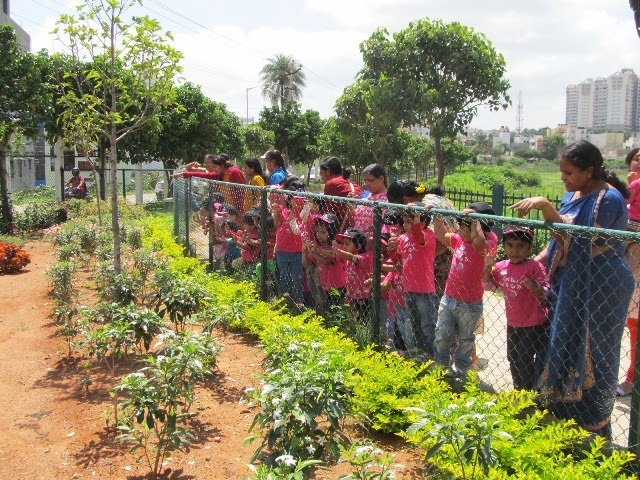
 
Despite their very young age, the children were so well behaved. All kudos to the teachers who kept them engaged by pointing out each little natural treasure that PNLIT guide Mr.Gopinath showed them.
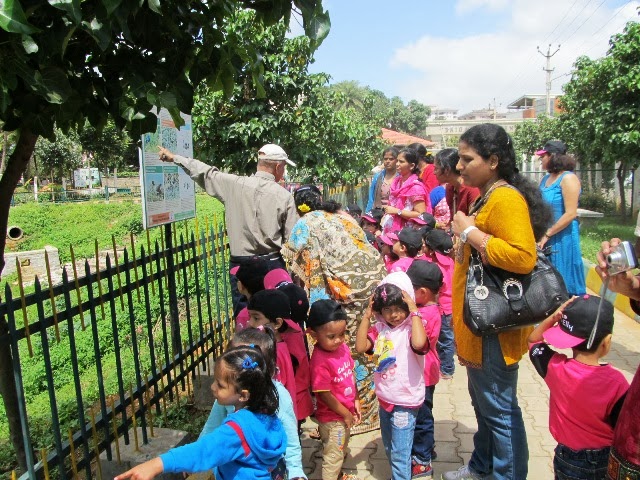
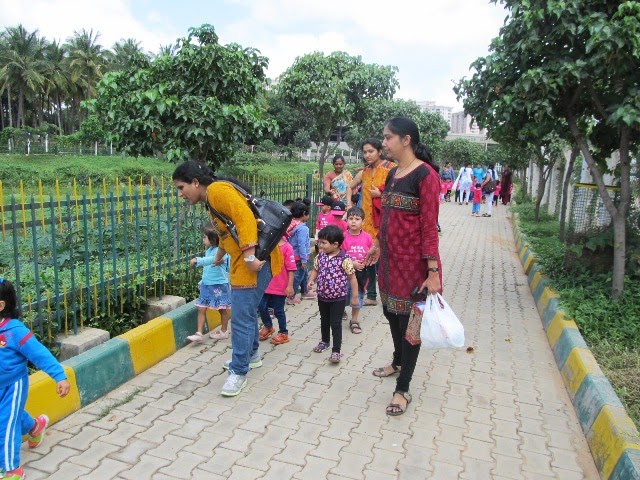
We hope today’s visit to Puttenahalli Lake will stay in their minds for a long, long time. 
 
 
Photos credit: Nupur Jain


Leave a Reply

Your email address will not be published. Required fields are marked *

Similar Story

BDA’s tree plantation drive faces accountability issues, not accounting errors

This record-breaking drive in Bengaluru has cleared out shrub ecosystems rich in biodiversity to plant saplings that may never thrive.

Fifteen lakh trees. A place in the Guinness Book of Records. The Bengaluru Development Authority (BDA) has been on overdrive, promoting its new project to plant 15 lakh trees in spaces created in its new layouts. 240 acres have been earmarked across BDA’s faraway layouts. The saplings are to be planted across lake and nala buffer zones, parks and public spaces in new neighbourhoods like Nadaprabhu Kempegowda Layout, Banashankari 6th Stage, and Dr Shivarama Karanth Layout, according to the BDA Chairman N A Haris. While such massive tree plantation exercises are by themselves questionable, there is also the question of a…

Similar Story

Where are the flamingos? How Metro construction is devastating Chennai’s Pallikaranai Marsh   

In a report, environmentalists warn marsh blockages increase flood risk for South Chennai and call for urgent measures to avert ecological damage.

On a regular day in May, the calls of migratory waders and other shorebirds foraging in sprawling mudflats fill the air in the southern reaches of Chennai. May is the dry season for the Pallikaranai Marsh, when water levels naturally recede, exposing the critical feeding and breeding grounds that attract hundreds of bird species to this globally recognised urban wetland. But this year is different. The mudflats are gone. In their place is a stagnant expanse of water. This unusual water level during the dry season is not due to early rains. Indiscriminate construction within the marsh is blocking the…