Recent media reports have highlighted the presence of bacterial contamination in drinking water samples collected from several locations in the Bhagirathpura area, Indore. The reports point to a few possible reasons: leakages from nearby septic tanks, soak pits, sewage pipes or drains, and poor septic tank design. Other possible causes could be ageing and corroded water pipes, and cracks or leakages in the distribution network.
However, intermittent water supply is also one of the most critical factors behind such incidents. In these systems, pipelines are often empty or partially filled, and may operate under negative pressure at certain times. These conditions increase the risk of contaminated water from the surrounding environment entering the network through cracks and leaky joints. In contrast, 24/7 water supply systems keep steady pressure in the pipes and stop contaminated water from leaking in.
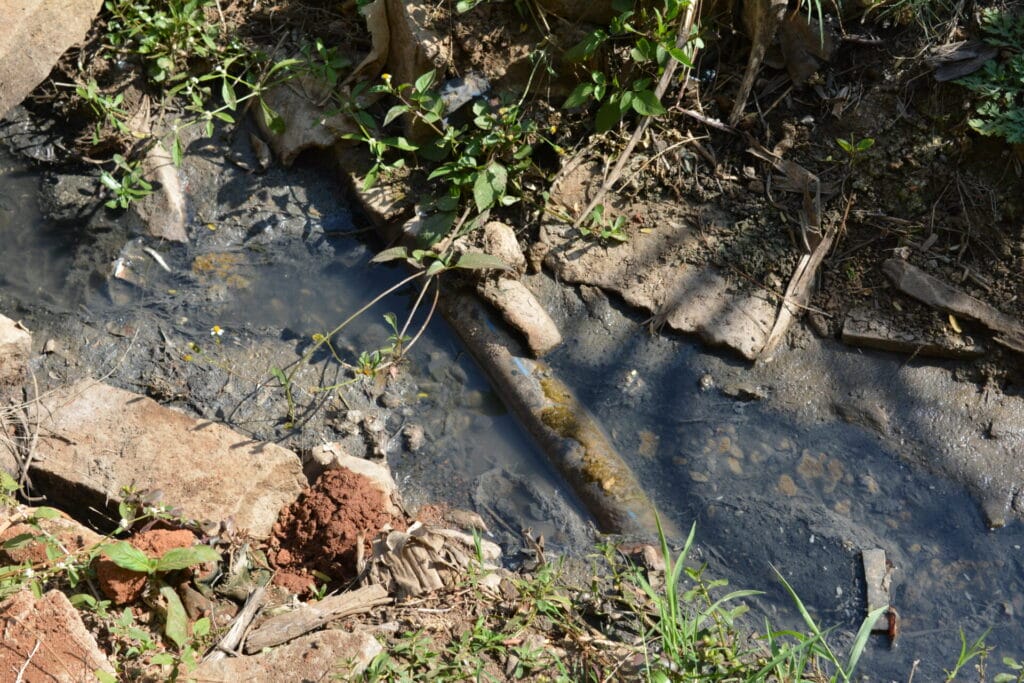
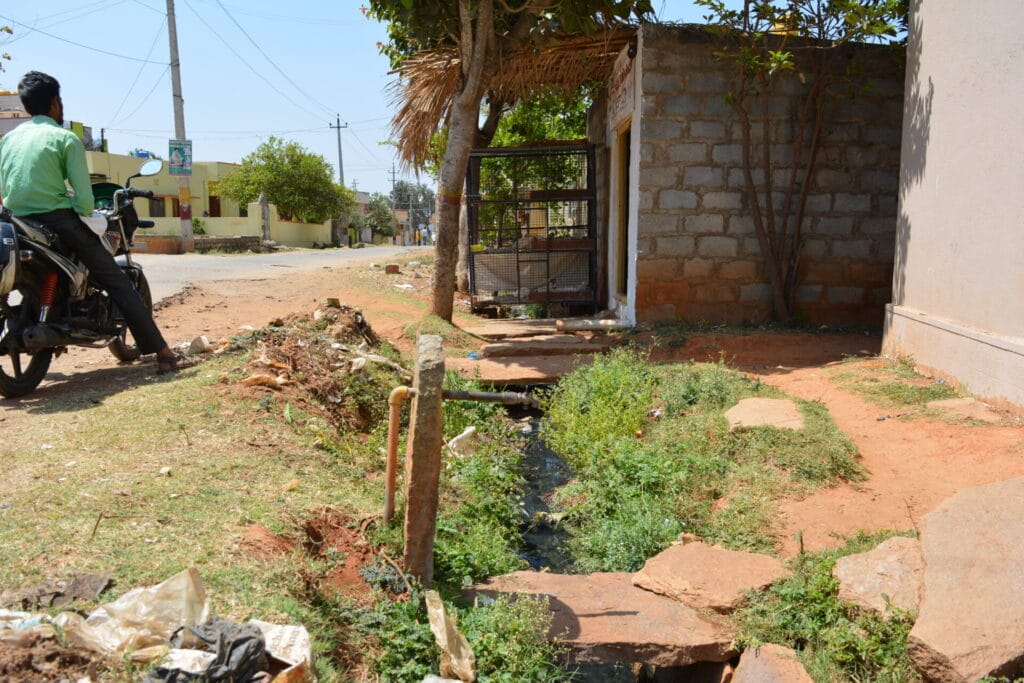
Across Indian cities, towns, and villages, drinking water pipelines often run parallel to sewer lines. In some neighbourhoods, water pipes are laid close to, or even within, open drains carrying wastewater. When this reality is combined with intermittent supply and deteriorating pipes, the probability of bacteria, protozoa, and viruses entering the network rises sharply.
Yet, warnings about unsafe water in the distribution network often come after the contamination has already occurred. Detecting bacterial contamination typically takes 18-24 hours. By the time samples are tested and results are communicated, households may have already consumed contaminated water. Post-event testing helps quantify the extent of contamination, but it does not prevent exposure.
Also Read: Unsafe water, unsafe lives: The rising threat of waterborne illnesses in Chennai
Drawing from water safety plans
Here, the World Health Organization’s Water Safety Plan approach becomes relevant. It emphasises preventive risk management across the full chain, from source to consumer. One of the most important protective barriers within this approach is maintaining adequate free residual chlorine throughout the distribution system. In practice, residual chlorine at the consumer end is commonly maintained in the range of 0.2 to 0.5 mg/L. A minimum of around 0.2 mg/L at the point of delivery is necessary to reduce microbiological risk.
How does free residual chlorine keep water clean?
Free residual chlorine is the chlorine that remains in water after disinfection at the water treatment plant, which is the final step in the treatment process. This residual chlorine continues to protect the water against re-contamination as it travels through pipes and storage systems from the water treatment plant to the household tap.
Chlorine is a strong oxidising agent that helps to inactivate pathogens and control microbial regrowth in the water distribution network. Adequate residual chlorine is therefore a strong indicator of continued protection as water travels through pipes to households. However, residual chlorine must be monitored across locations. A sudden high-load intrusion, or unusually high chlorine demand in the network, can still increase health risks.
The good news is that residual chlorine is affordable and relatively easy to measure. There are low-cost kits for quick checks, and modern sensors can send real-time data to officials.
It’s also important to understand that chlorine levels don’t just drop because of contamination. They can change depending on things like the type of pipe, how fast water flows, how long water sits in the pipes, and even tiny layers of microbes (biofilm) that grow inside.
That’s why the city must first figure out what “normal” chlorine levels look like in different parts of the network. Once those baseline levels are established, any unusual changes can be identified early—before they become a more significant problem.
Creating citizen-generated data, monitoring chlorine levels
Given these realities, cities need a practical plan for water safety. They must track chlorine levels at vulnerable points and involve citizen volunteers to test household taps. Even without contamination, chlorine levels can vary due to the amount added at the source, seasonal changes, drops in pressure, or water flow patterns. Once normal baseline levels are known, citizen data can highlight places where chlorine is unusually low, indicating a higher risk.
Municipal authorities can identify representative points across wards, including low-lying areas, tail-ends of the network, and zones with frequent pipeline complaints. Volunteers can measure residual chlorine at fixed times and share readings through a simple reporting platform. The municipality should strengthen the evidence by using culture-based tests for the detection of faecal coliforms to confirm locations of wastewater intrusion.
Considering the intermittent water supply, it may also be useful to record pressure drops, conductivity (low-cost, low-maintenance), or turbidity to detect changes in water quality and their likely causes. These sensors are cheaper and require less maintenance than chlorine sensors.
Clean water dashboard, mapping risk zones
To make this effective, the city administration should create a public dashboard that displays chlorine readings across locations. Such transparency will help identify emerging risk zones, trigger targeted responses where chlorine levels are consistently low, and support corrective actions such as localised chlorine booster stations, advising citizens to boil water before drinking, flushing, and urgent repair of pipelines. Over time, these data will help map vulnerable segments of the network and guide investment decisions for pipe replacement and improved operations.
Evidence from such pilots can support scaling across urban local bodies and strengthen implementation under national programmes such as Jal Jeevan Mission and Atal Mission for Rejuvenation and Urban Transformation (AMRUT). Citizen participation can strengthen accountability, improve trust through transparent monitoring, and help households make informed decisions about boiling or filtering water before consumption.
While India works towards strong sewerage infrastructure and more reliable water supply systems, a phased approach that brings citizens and government together can reduce the risk of such preventable public health crises.
What citizens can do
- Aid data collection from household taps to create a baseline during normal periods, and map fluctuations.
- Identify potentially vulnerable locations and request the authorities to take timely action.
- Map septic tanks, leaking manholes, and wastewater flowing in stormwater drains, and alert the authorities for corrective measures.