Areas in Mumbai’s Kurla to experience water cuts every Saturday for 10 days
The Brihanmumbai Municipal Corporation (BMC) will be carrying out works to strengthen water lines at Khairani road in Mumbai’s Kurla for 10-days. As a result of this, starting March 5th, there will be a water supply outage in the area every Saturday for a period of 10-days.
The BMC will be conducting the necessary works in stages instead of a continuous 10-day water disruption to prevent prolonged inconvenience to the locals. The civic body also advised the residents to boil water every Sunday as a precautionary measure before consumption.
The areas which are likely to be affected on Khairani Road are Sangharsh Nagar, Subhash Nagar, Bhanushali Wadi, Yadav Nagar, Durgamata Mandir, Kulkarni Wadi, D’Souza Compound, Laxmi Narayan Marg, Josh Nagar, Azad Market.
Source: Times of India
Read more: BMC’s ‘Water For All’ policy promises greater access to water. Can it deliver?
State board textbooks from Class III to X will be include blank pages
Maharashtra’s school education department has decided to include blank pages in Class III to X state board textbooks from academic year 2023-24. The department plans to add one or two blank pages after every chapter under the title of “my notes”.
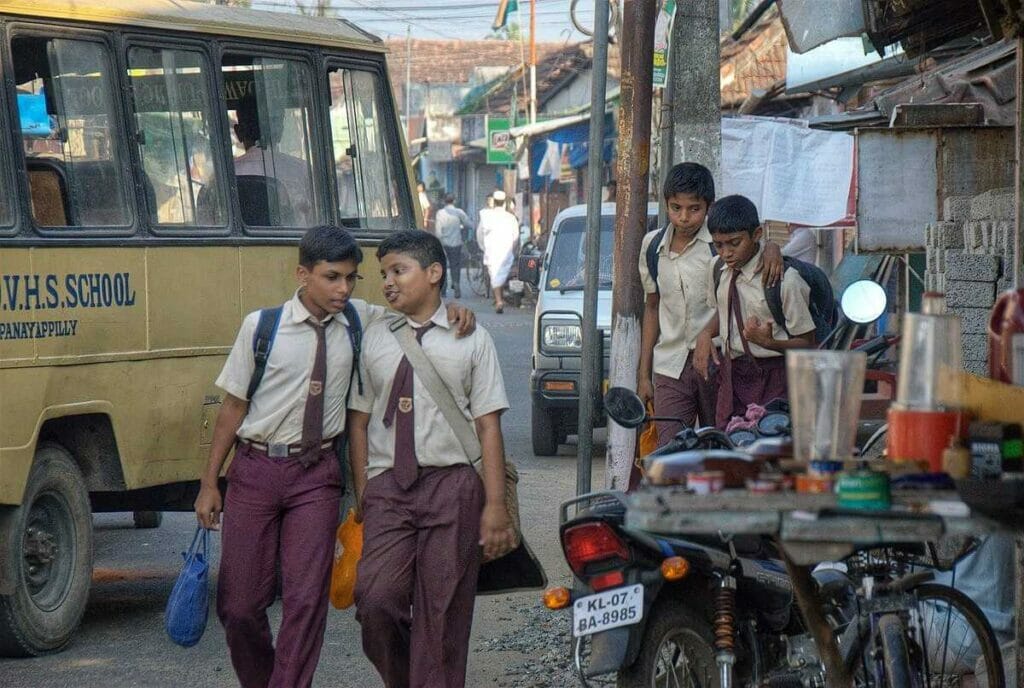
The department, in a government resolution, said all subjects will be integrated into four textbooks meant for four semesters. This will be to ensure that students carry only one textbook per semester. It also states that there will be an increase in the overall cost of textbooks as the cost of paper has increased.
Source: The Indian Express
Desilting of nullahs in Mumbai to begin in the first week of March
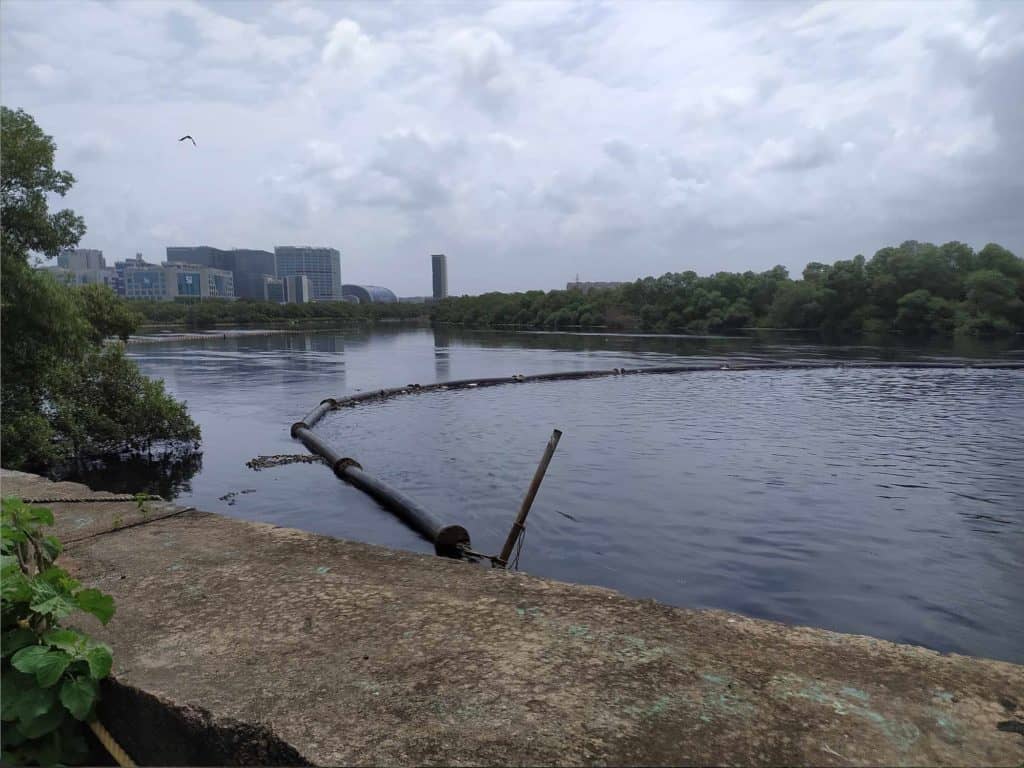
Desilting of major and minor nullahs, as well as Mithi River, will begin in the first week of March, Chief Minister Eknath Shinde told the legislative assembly on February 28th. The BMC has floated 31 tenders to remove silt from big and small nullahs across the city.
The total cost of the works is estimated to be Rs 247 crores. The practice of desilting was started after the 2005 floods. Mumbai has 254.67 km network of major nullahs, 443.84 km of minor nullahs and 21.35 km Mithi river. The civic body removes 70% silt before the monsoon, 20% during the season and 10% after the season.
Source: Free Press Journal, The Times of India
Long wait for a health facility in Aarey
The BMC’s health department had requested the Aarey Milk Colony administration to provide space for Hinduhruday Samrat Balasaheb Thackeray (HBT) container clinics seven months ago. However, the administration has not yet granted permission for the clinics despite receiving multiple letters from civic body.
Read more: “Aarey is the most abused and exploited land mass in Mumbai”
As a result of this inaction, residents of the 28 tribal hamlets continue to go outside Aarey to avail of basic health facilities. The HBT containers are BMC health department’s flagship polyclinics functional from 9 am to 4 pm, under state government’s Aapla Dawakhana initiative. This year’s BMC budget has a provision of Rs 50 crore to double up the number of HBT clinics in the city.
Source: Mid-Day
27 fisher structures in Cuffe Parade’s Koliwada will likely be demolished for coastal bridge
According to a preliminary evaluation by the Mumbai Metropolitan Region Development Authority (MMRDA), a total of 27 buildings in Cuffe Parade’s Koliwada will likely be demolished to make way for a proposed 1.6 km-long coastal bridge with four lanes, connecting Nariman Point to Colaba and Cuffe Parade.
These structures belong to fishers in the area who have been conducting their trade in the locality for decades. The MMRDA will compensate the fishers by providing them with a separate boat parking area and a new fish landing jetty. Fisher representatives say they are opposed to the move as they believe it will hinder the community’s ability to fend for itself.
Source: Hindustan Times
Compiled by Eshan Kalyanikar.