Egg prices shoot up in Mumbai due to shortage
The price of eggs has gone up in the city due to a shortage in supply caused by the extended winter season, which led to a decrease in production. There is a shortage of 10 lakh chicken eggs in Mumbai daily and the cost per dozen has increased from 66 rupees to over 80 rupees.
In November, the wholesale rate of 100 eggs was around Rs 475 to Rs 500, which has now touched Rs 600. The Department of Animal Husbandry in Maharashtra is developing a long-term policy that would enable small farmers to enter the industry and boost egg production. The department is also discussing the possibility of providing half a subsidy to farmers who rear 50 chickens.
Source: Mid-Day
BMC without public representatives: Citizens asked to send their suggestion on budget instead
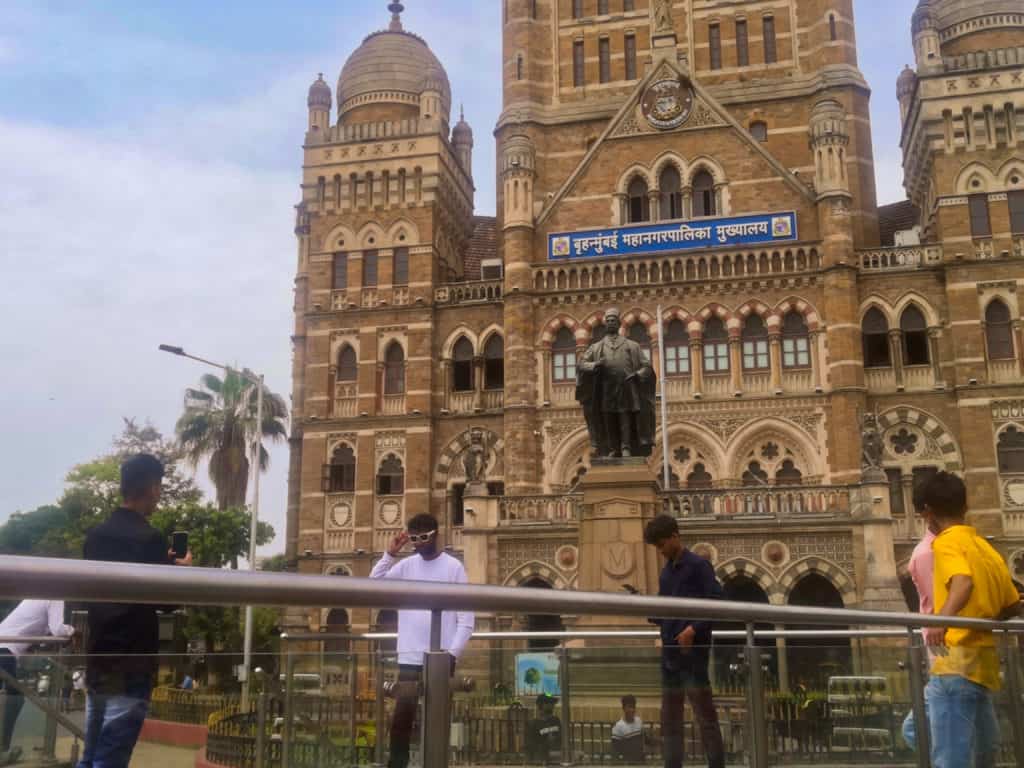
In the absence of an elected body of municipal councillors, who represent the citizens, the Brihanmumbai Municipal Corporation (BMC) for the first time is reaching out to the public to seek their input in creating its budget for 2023-24.
Read more: Party offices in BMC headquarters sealed, but why were they there at all?
The move will allow citizens to voice their opinions on how BMC must spend its money, especially in their neighbourhoods. If one wishes to participate, they can send their suggestions to bmcbudget.suggestion@mcgm.gov.in by January 28. The instructions will be sent to the office of chief accountant (finance) at the headquarters.
Source: Hindustan Times
New metro routes complemented with new bus routes
The Brihanmumbai Electric Supply and Transport Undertaking (BEST) has established three new bus routes after the launch of the Mumbai Metro Lines 2A and 7 by Prime Minister Narendra Modi on January 19. The routes will serve prime stations along the two metro lines.
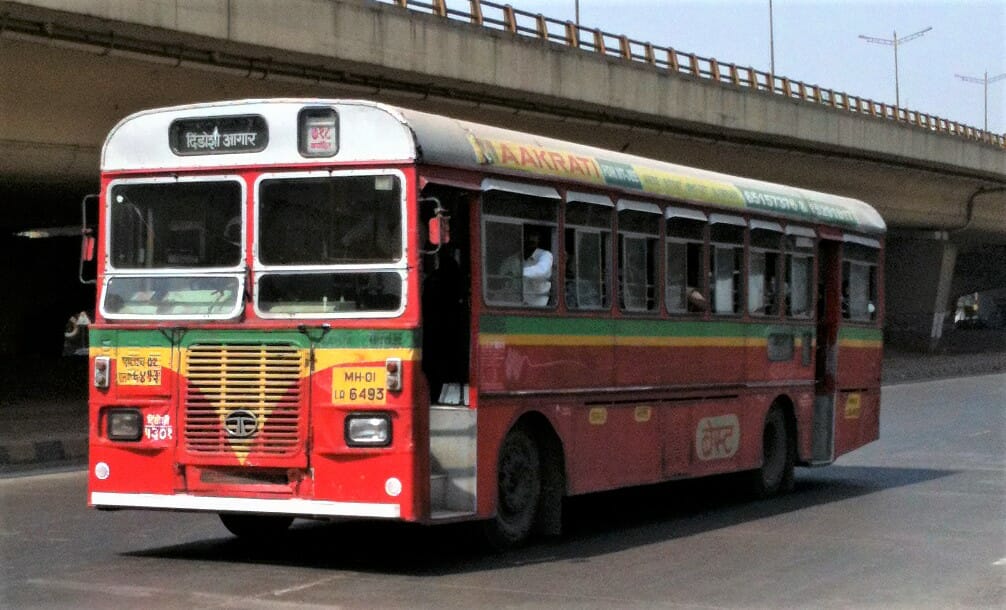
BEST official says the three new bus routes that will have buses coming every 20 minutes. Additionally, the service frequency will increase as more buses are added to the fleet later this year.
Source: The Indian Express
Read more: Has the Mumbai Metro helped reduce traffic at all?
900 birds injured during Makar Sankranti, distress calls continue days after the festival
Animal activists, who established rescue camps over the weekend, have compiled statistics of birds they rescued and treated during Makar Sankranti. Over 900 birds were reported to have been injured in Mumbai during the kite-flying festival.
Several birds died due to grave injuries from sharp kite strings. More than 650 birds were rescued in the areas of Dahisar, Borivali, Kandivali and Malad. Animal activists say they get calls from people about birds in distress after getting entangled in the thread used for flying kites, even several days after the festival.
Source: The Times of India
Will this January have the worst air quality in the last five years?
For the second time this month, Mumbai’s air quality stayed “very poor” for four consecutive days. On January 19th, the city reported Air Quality Index (AQI) of 324, which is only slightly better than Delhi’s AQI of 336. If the air quality remains very poor in the coming days, which is likely according to SAFAR forecast, this January will be the worst ever in the last five years in terms of pollution levels.
The AQI measures the level of PM2.5 (particulate matter 2.5) in the air, which is a carcinogenic substance that can harm the respiratory system if present in high concentrations for an extended period of time, particularly during heavy physical activity.
Source: The Times of India
[Compiled by Eshan Kalyanikar]