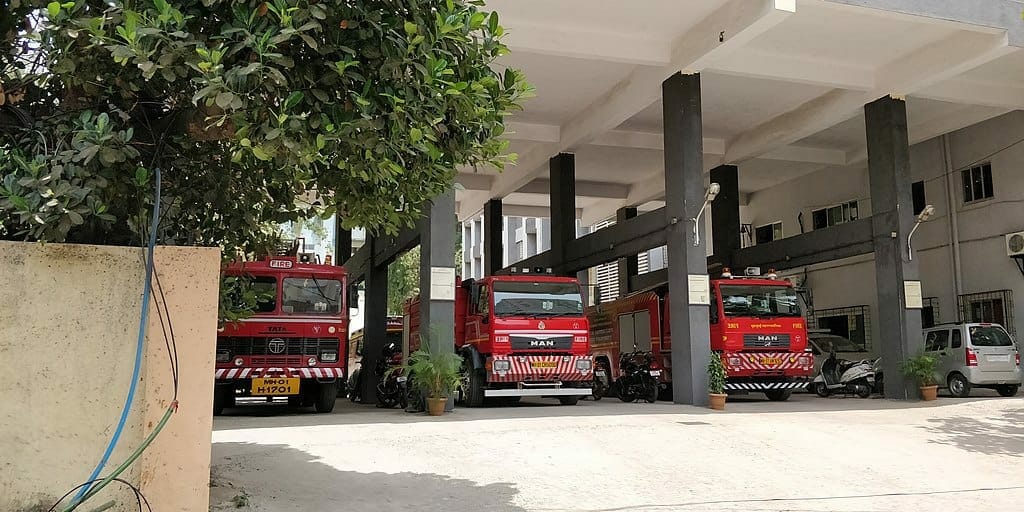
Max fatalities in fire accidents due to electrocution, common cause of fire in Mumbai are human errors
Data shared by Prabhat Rahangdale, former chief fire officer in Mumbai Fire Brigade (MFB) and deputy municipal commissioner, disaster management, revealed that nearly 73% of human fatalities during fire incidents were caused due to electrocution after electrical circuit failures.
Read more: Appapada fire: Did authorities do enough to support affected families?
The data states MFB receives between 6000 and 7000 emergency calls in a year, of which nearly 90% were calls made for fire related complaints. Furthermore, Rahangdale also told The Indian Express that majority of fires that are reported in Mumbai are caused due to circuit failures or faults in electrical systems. The culprit, however, isn’t electricity but human errors, he said.
Source: The Indian Express
Mental health comes into focus at Mumabi’s civic dispensaries from April 7
Brihanmumbai Municipal Corporation’s (BMC) civic dispensaries and Hindu Hriday Samrat Aapla Dawakhanas will be providing mental health services starting April 7th. Additionally, the BMC has also opened 44 new dispensaries, bringing the total number of Aapla Dawakhanas in Mumbai to 151, with 24 of them being polyclinics.
More than 500 doctors, who have been trained to identify mental illnesses, will be deployed at dispensaries across the city. Visitors will be counselled and then referred to major suburban hospitals and polyclinics for further treatment if needed.
Source: Mid-Day
Read more: Mental health helpline received 72,000 calls in a year, thanks to the pandemic
Maharashtra government plans to purchase Nariman Point’s Air India building
The Maharashtra government is planning to purchase Air India building at Mumbai’s Nariman Point and use it as an extension of Mantralaya. The building is owned by Air India Assets Holding Ltd, who have provisionally agreed to the state’s offer of Rs 1,600 crore.
However, the state government said that the deal will only be completed if the Central government vacates all offices and hands over complete possession of the building. Apart from the state, the Reserve Bank of India (RBI) was also reported to be interested in acquiring the building. In the past, Deputy Chief Minister Devendra Fadnavis had urged Union Civil Aviation Minister Jyotiraditya Scindia to prioritise the Maharashtra government in the sale of the iconic Air India building.
Source: Times of India
BMC moves against polluting units
Between April 5th to April 7th, the BMC demolished three chimneys that were operating illegally near Nahar Amrit Shakti township in Kurla. The residents in the area were complaining of ailments due to toxic fumes for years. The BMC has also issued notices to the owners of 15 factories, giving them a 48-hour deadline to shut down as part of an ongoing effort to address the worsening air quality in the city.
Unauthorised galas and temporary sheds in the vicinity of the township melt aluminium using wood and coal and operate without any pollution-control measures, the Maharashtra Pollution Control Board (MPCB) said in its order, directing the BMC to shut these establishments.
Source: Hindustan Times
Black spot intersections to be redesigned to improve traffic safety
BMC is planning to redesign the 20 most dangerous traffic intersections in the city to improve safety for pedestrians, cyclists, and motorcyclists, who are considered to be the most vulnerable to road accidents. These intersections are infamous for being “black spots” due high number of accidents that have been reported there.
Few of the areas that will be redesigned include Amar Mahal, Sion Circle, Kings Circle, National Park, Cheda Nagar, and Priyadarshini. The civic body will carry out the redesigning with assistance from Bloomberg Philanthropies Initiative for Global Road Safety (BIGRS), the Global Designing Cities Initiative (GDCI) and the World Resources Institute (WRI).
Source: Hindustan Times
(Compiled by Eshan Kalyanikar)