In the last week of May, a 42-year-old male reached out to mental health experts at BMC’s helpline for help. He was sorrowful and was feeling demoralised, he said. “He said that for two-three days he has been hearing news about his neighbours and extended families either falling sick or dying due to the coronavirus,” said, Dr. Shubhangi Parkar, a city-based psychiatrist and a former head of the psychiatry department, KEM Hospital. “With all the negativity around, he had completely lost hope in life,” she added.
Many citizens who are undergoing mental health issues due to the pandemic are seeking help from counsellors in hospitals, mental health clinics, and other helplines in the city.
A mental health helpline (1800-1208-20050) set up to help citizens with the COVID19 pandemic crisis has received over 72,000 calls within a year. The data shared by the helpline, highlights that among the key mental health problems during the pandemic are stress and anxiety issues.
Dilshad Khurana, psychologist and head counsellor at the helpline, Mpower, said, “In the second wave more people are going through a lot of grief and a sense of hopelessness, as the coronavirus crisis has been going on for longer than expected. Now people are more adapted to staying at home but they are facing social anxiety and loneliness issues.”
Dilshad also said that there is a higher fear of death and losing a close person, during the second wave.
The helpline was started in April 2020 by Mpower along with the Maharashtra government and Mumbai’s civic body Brihanmumbai Municipal Corporation (BMC) to address mental health issues during the pandemic.
Explaining the current situation, Dr. Parkar, said, “Today, because of the community spread, people are seeing the affected people around and at the same time the information and news are scarier now.”
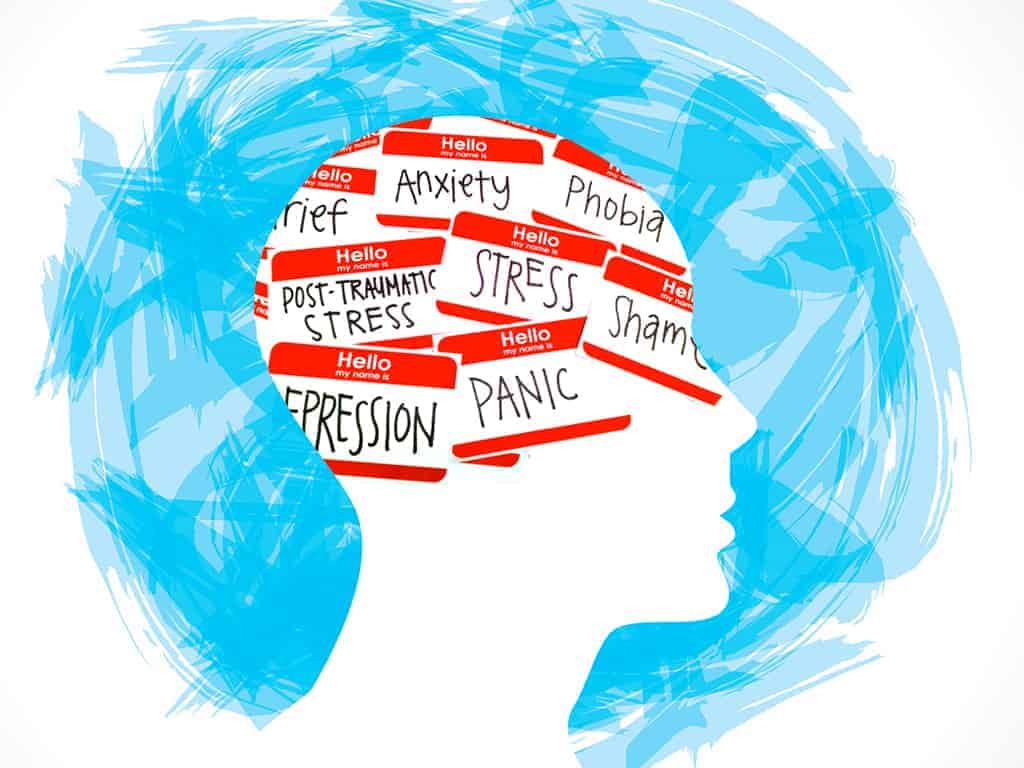
Lockdown 2021
Speaking about the cases received last year at the beginning of lockdown, Dilshad, added, “The first wave callers were full of uncertainty and anxiety because the pandemic was a new thing happening for the first time and that too on such a global scale. People were scared of what would happen and how to respond to the anxiety and panic attacks. Due to the lockdown, they felt caged but had free time to face issues from the past which they have been neglecting.”
There was a lot of restlessness, sleep disturbance, acute stress reaction amongst the people, according to Dr. Parkar.
In the 2020 lockdown, people were more occupied with restrictions. “People were more thinking about the lockdown. People were curious as well as scared about the virus. In the beginning, the virus wasn’t understood at the science level as well. There wasn’t awareness about how long will the virus as well as restrictions last for,” said Dr Parkar.
Many relationship issues also sprouted up. Either because of staying in close quarters 24×7 or due to sudden long distance.
More calls on the mental helpline are received in the daytime.
No age bar
Mental health problems in the pandemic are not confined to some age groups only. “We have been receiving calls from college students who have to deal with exam stress or postponement of important exams such as boards or competitive exams such as IAS,” said Dilshad.
People are worried about their future because of a financial crisis. People are finding it difficult to handle the economic and financial crisis. Many of them have used their savings already. “A week ago, a woman came for counselling because she was facing a lot of financial issues. Her husband was telling her to sell her jewellery so they could run the house. She was very tearful. She was emotional attached to the jewellery given to her by her mother,” said Dr. Parkar. “These kinds of incidents make people angrier. They don’t know whom to blame for this situation,” she added.
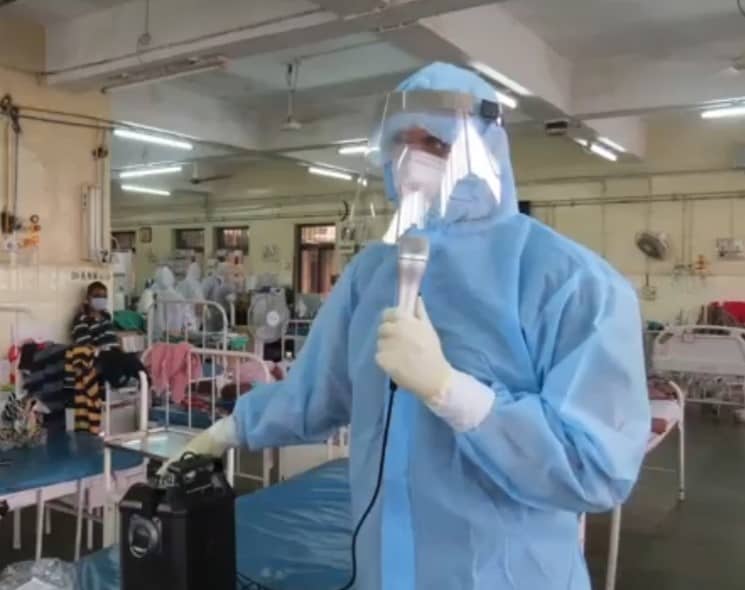
Challenges faced by the counsellors
BYL Nair Hospital, one of the major civic-run hospital in Mumbai, started a mental health helpline for in-house covid patients and their relatives for mental health counselling. While they receive a handful of calls daily, most of the calls are related to post-covid care and seeking general information.
Dr. Henal Shah, head of the psychiatry department, Nair Hospital, said, “We have set up three systems to deal with mental health problems of the patients and their relatives. An informative video educating the patients is played inside the wards on regular basis. Besides this, our staff also visits the wards to create awareness and give motivational speeches to the covid patients so that they don’t lose hope while undergoing the treatment. Patients facing anxiety and depression are also referred by the treating doctors to our team.”
Dr. Shah, added, “While the number of the helpline is displayed in the hospital, few patients have called up to get counselling after they went back home. Many complaints of sleep disturbance and anxiety issues.”
The Mpower helpline was set up within a span of a week with everyone working remotely during the lockdown. While most callers are from Maharashtra, it also recorded calls from other cities, including Delhi, Kolkata, Lucknow, and Bengaluru.
As the pandemic has hit everyone, the counsellors too were affected mentally. “Our main focus was to offer emotional support, quick solutions, and build on people’s coping mechanisms to deal with the pandemic,” added Dilshad.