Covid cases surge in Mumbai
Mumbai division reported 2,856 new cases and 11 deaths, taking the cumulative caseload to 7,49,849 and death toll to 19,921, Livemint reported. Mumbai’s COVID-19 tally increased to 3,38,643 and four deaths took the fatality count to 11,519. But BMC Chief Chahal told the Indian Express that “As of now, there is no plan of imposing a lockdown.” As many as 90 per cent of patients in Mumbai, who tested positive for COVID-19 in January and February this year, were residents of high-rises, while the remaining 10 per cent were from slums and chawls, NDTV quoted BMC officials. However, the situation has changed to some extent this month. The number of cases from slums are also going up, civic officials said.
Mumbai Terminal 1 reopens
The Terminal 1 (T1) of the Chhatrapati Shivaji Maharaj International Airport (CSMIA) resumes operations from Wednesday, after remaining shut for nearly a year due to the coronavirus pandemic. With the terminal back in action, five domestic airlines will use the terminal starting midnight, the Hindustan Times reported. The domestic terminal will witness a total of 51 departures and 51 arrivals. It will cater to all domestic flight operations of GoAir, Star Air, Air Asia and Trujet, and also select flights of IndiGo (with subset series 6E 5500 – 6E 5900). The rest of the IndiGo flights will continue operations from Terminal 2.
Source: Hindustan Times
Mumbai to develop water transport
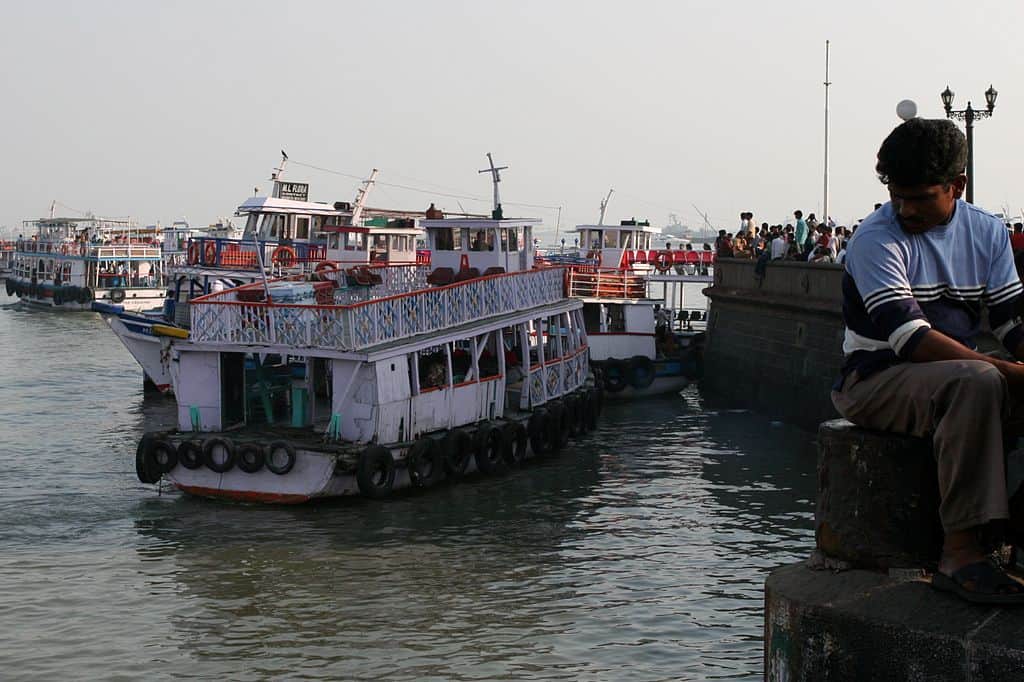
The Maharashtra government on Monday announced to develop waterways around Mumbai, Thane and Navi Mumbai, Mint reported. The government has decided to utilize the waterways around Mumbai, Thane and Navi Mumbai for the purpose of water transport. Vasai to Kalyan water transport service will be made available in the first phase,” state finance minister Ajit Pawar said while presenting the Budget. “The Bandra-Versova Sea Link work has already started. The project’s length is 17 km and the estimated cost is ₹11,333 crore,” he said.
Source: Mint
Read more: Is Mumbai a step closer to solving its parking crisis?
A mystery monolith shows up in Mumbai
A ‘Monolith’, a sheet metal structure that has mysteriously appeared and disappeared across the world, was seen at Joggers Park in suburban Bandra on Wednesday, the Hindu reported. “It has numbers on side of it let’s try & figure out what they mean,” he said in the tweet while sharing a few images of the triangular prism-shaped structure, around seven feet tall. This is the second such installation that has appeared in the country after one was spotted in a garden in Ahmedabad last December, according to the Hindu.
65-year-old man dies after receiving vaccine
A 65-year-old man died some time after he was given the first dose of the COVID-19 vaccine in a private hospital in Andheri in Mumbai on Tuesday, the new Indian Express reported. The senior citizen was inoculated at 3:50 pm, after which he fainted and was rushed to the ICU in the same facility, and was declared dead at around 5pm, he said. This is the first case of death of a person after vaccination and a post mortem will be conducted in state-run JJ Hospital to find out the exact cause, according to the New Indian Express.
Societies can now take housing finance loans
The Reserve Bank of India has included cooperative housing societies in the list of allowed borrowers of housing finance loans, the Times of India reported. This is for the first time that cooperative housing societies have been allowed to borrow from housing finance companies (HFCs). Earlier, societies in Mumbai could obtain loan for self-redevelopment only from the Mumbai District Co-operative Bank.
Source: Times of India
Read more: Self-development of Mumbai’s shanties is a pipe dream
2,700 sex workers received aid during the lockdown
After a Supreme Court direction to states to provide dry ration and financial help to sex workers without insisting on proof of identity, Maharashtra was the first state to follow, the Indian Express reported. Each sex worker would receive Rs 5,000 per month directly in their bank account, 3kg of wheat and 2kg of rice, while their school-going children would get Rs 2,500 per month for online classes. The aid was announced for six months. So far, 2,697 sex workers in Mumbai are getting the aid, according to the Indian Express. An unexpected outcome of the financial aid has been larger turnout of sex workers for HIV screening.
Also read:
- No income, no food, no government relief: Kamathipura’s sex workers pushed to the brink
- Dharavi women take to street vending to feed families
[Complied by Apekshita Varshney]