Hand, Foot and Mouth Disease on the rise in Navi Mumbai
Out of about 100 cases in the OPDs across Navi Mumbai, 50 are of hand, foot and mouth disease (HFMD). A sudden rise in cases in the city has concerned officials since HFMD cases could be confused with monkeypox, chickenpox and measles.
“The blisters look similar to those seen during chickenpox. So, it is important to sensitise the parents, general practitioners as well as school authorities about the difference in these blisters that could be largely HFMD. We do not have any monkeypox cases yet. Measles is also not found. Chickenpox, too, is mostly found during excessive heat. Hygiene is the key to avoiding HFMD. Generally, it can affect children below 10 years of age, and more commonly occurs in kids below five years,” said Dr Pramod Patil, medical health officer from NMMC.
Some doctors believe that the lack of exposure during the pandemic has reduced immunity among children, thus affecting the rise in cases.
Source: Hindustan Times
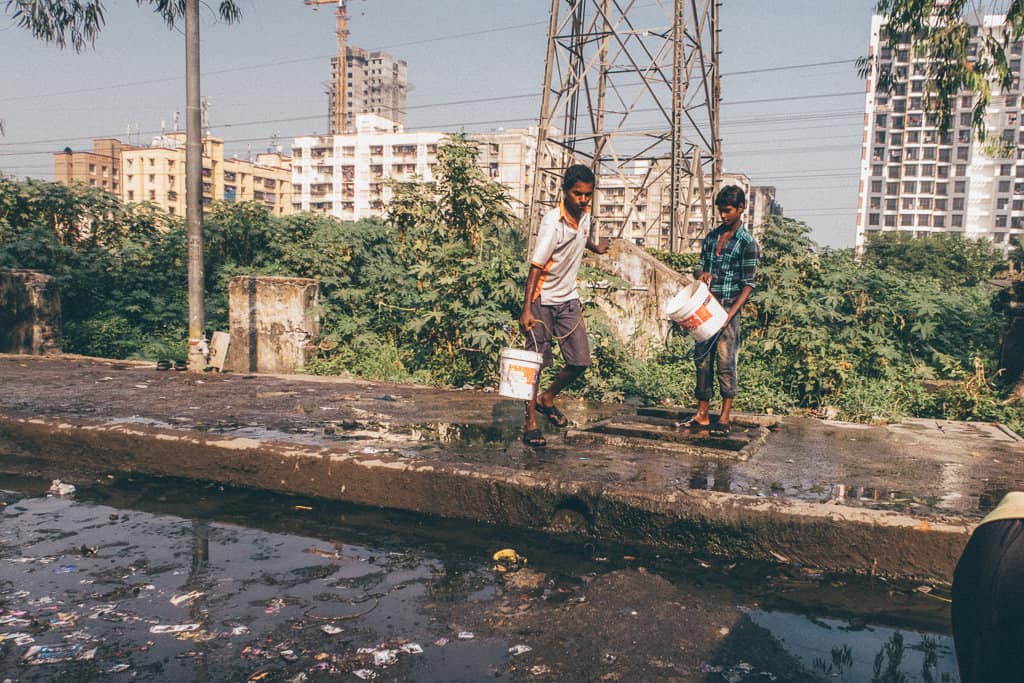
Contaminated, muddy water has Chembur residents protesting
In Utkarsh society in Chembur, residents are storing packed mineral drinking water bottles in their houses because of contaminated, muddy water infested with worms since July. In the beginning, the issue was justified by heavy rainfall, but since worms have surfaced, residents are convinced of foul play.
“We have complained multiple times to the BMC. They do come and check the pipeline but are not able to find the source from where the water is getting contaminated. We spent money on cleaning the water tanks in our building with the hope that after cleaning tanks we will be able to clean the water supply,” said Arumugham Acharya, secretary of Tilak Nagar Utkarsh CHS, who was recently diagnosed with diarrhoea.
Around four to five buildings in the area, Tilak Nagar, have similar complaints. Despite multiple complaints, authorities have not tended to the issue.
Source: Mid-Day
BMC plans to construct absorption pits for flooded city roads
With plans ahead for the concretisation of roads in the next three years, the Brihanmumbai Municipal Corporation (BMC) plans to construct absorption pits on these roads to reduce waterlogging during heavy rain. According to sources, since concrete cannot soak water, the pits will take some load off the stormwater drains and reduce waterlogging. They will also help recharge groundwater in the city.
Tenders worth Rs 5800 crores have been invited to be put towards improvement of roads riddled with potholes. By constructing absorption pits, the civic body plans to allow to rainwater percolate.
Source: Mid-Day, Mumbai Live
Read more: Are Mumbai’s roads prepared for monsoons?
Crime on Mumbai Railways reduces by 62% from 2019
In the first of the year, crimes recorded in railways of the Mumbai region were down 62% as compared to 2019. From 16,500 cases in January-June 2019, crimes reduced to 6,300 in January-June 2022. Visible police patrolling and less footfall post-COVID have been linked to the drop in numbers.
“There are definitely more police checks now as compared to pre-pandemic times. But a key reason for the reduction in crimes is also that many people are working from home at least for some days of the week, if not all. Lower crowds and more visible policing translates to more safety,” said activist Subhash Gupta.
Source: The Times of India
BEST gets its second female driver
On August 4th, BEST got its second ever female driver, Bano Abdul Sattar. Its first female driver, Laxmi Jadhav, was also announced recently.
“We are proud of empowering women and giving them the role of a bus driver, an area which was until now dominated by men,” said BEST general manager Lokesh Chandra, who felicitated the new driver and added that he expects more women to join the workforce. Currently only 90 women are conductors in women-only buses.
Source: The Times of India
[Compiled by Saachi D’Souza]