3,000 sq m of potholes filled this year, says the BMC
In response to the numerous complaints about the state of Mumbai’s roads, the BMC claimed it has filled 3,000 sq metres of potholes with rapid hardening concrete this monsoon.
Prior to the monsoon, each ward is given Rs 1.5 crore to fix bad patches of roads. The BMC then gives them Rs 50 lakh for filling holes that appear during the rains with cold mix. The wards had asked for 3,004 metric tonnes of the mix earlier in March, but falling short of need, an additional Rs 5 lakh was added to the bill. Separately, the corporation is planning to enlist contractors for more repairs. Complaints about the bumpy roads and poor quality continue.
Source: Mid-day
Read more: How citizens can fight for road infrastructure in the city
Revised base auto fare to be Rs 23, taxi fare Rs 28 from October 1st
A day after taxi and auto unions were set to go on a strike, the Metropolitan Region Transport Authority (MMRTA) announced a hike in the minimum fares for auto rickshaws and kaali-peeli taxis in the city. The first 1.5 km in an auto will now cost Rs 2 more, while the same in a taxi will cost an extra Rs 3. The initial cost of ‘cool’ cab taxis will go up to Rs 40 from Rs 33.
Every next kilometre in an auto will add Rs 15.33 instead of the previous Rs 14.20, and Rs 18.66 as against the earlier Rs 16.93 in a taxi. The hike has come in response to the increase in the price of CNG to Rs 80 per kg, which at the time of the last revision on March 1st, 2021 was Rs 40 per kg. Vehicles will have until November 30th to get their meters recalibrated.
Source: The Times of India
Read more: High CNG prices: Mumbai taxi drivers, auto drivers demand fare hike to survive
Cycle track along Tansa pipeline snipped in half
The BMC’s ambitious plan for a 36 km cycle track along the Tansa pipeline has been foiled. It is now down to 17 km, more than half under its intended length.
Announced in 2018, the cycle track was to run in three phases: from Mulund through Powai to Andheri; from Ghatkopar to Chembur to Vakola till Bandra east; and along Jogeshwari – Vikhroli Link Road (JVLR) to Saki Naka. Each of these phases have been cut short, with officials claiming the original plan is not feasible. The corporation had cleared 16,000 encroachments along the pipeline in 2017, but now find that they have returned. At parts where the track has been laid, like Mulund, complaints about it being misused abound.
Source: The Times of India
CSMT station to be redeveloped, heritage structure to be restored
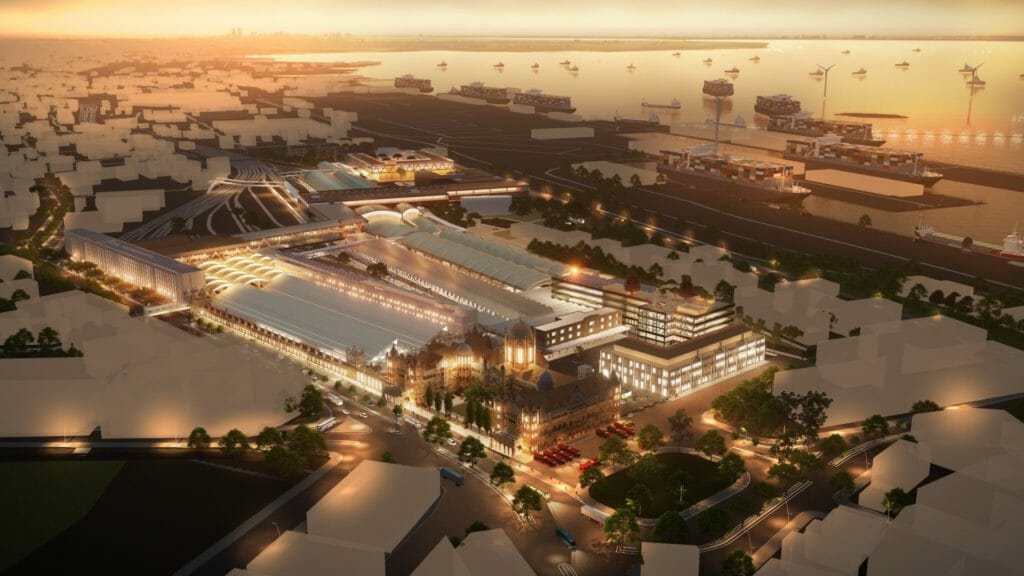
On Wednesday, the Union Cabinet approved Rs 10,000 for the redevelopment of three major railway stations in the country. Once of them is the UNESCO heritage site Chhatrapati Shivaji Maharaj Terminus (CSMT) station.
The plan for the grand station turned ‘city centre rail mall’ includes separate areas for arrival and departure, a disability-friendly station, a waiting lounge, a children’s play area, food court, shopping and a roof plaza. It aims to facilitate smooth switching between different modes of travel, including the metro and bus. Bids for the redevelopment will open in a few days.
Source: The Indian Express
Your corporator’s report card, now on your mobile phone
Citizens can now request report cards of corporators and independent experts on civic committees through the My Corporator (Majha Corporator) app. Currently available only on the Google Playstore in English and Marathi, the app has been developed by a citizens’ group, Nagarikayan Research Centre, as an extension of the ‘My Ward, My Corporator’ project.
Once a request is submitted, the organisation digs for information on the corporator through RTIs, attendance records, purchase documents, etc. They vet these findings with on-site inspections and photographs. Compiling the report, the corporators are graded on five markers: attendance in civic and committee meetings, questions asked, motions filed, funds used and how. Currently, there are 56 report cards available on the app.
Source: The Indian Express
[Compiled by Sabah Virani.]