How to prevent viral fevers other than COVID-19

In conversation with Dr Souradipta Chandra on the prevention of viral fevers other than COVID-19, in the context of flu viruses caused by the monsoon season

The threats induced by COVID-19 continue to warn the masses against large crowds and uncovered faces. Since masking became the norm, cases of flu viruses and common colds saw a rapid decline, but have resurfaced with the onset of the monsoon season. This might bring confusions in diagnoses, and people might wonder if they have COVID-19 or a viral fever. With so many viruses in the air, it is important to understand the differences between them for an accurate diagnosis and preventive practice.


Read more: Walk-ins introduced in Mumbai’s vaccination centres to help local residents
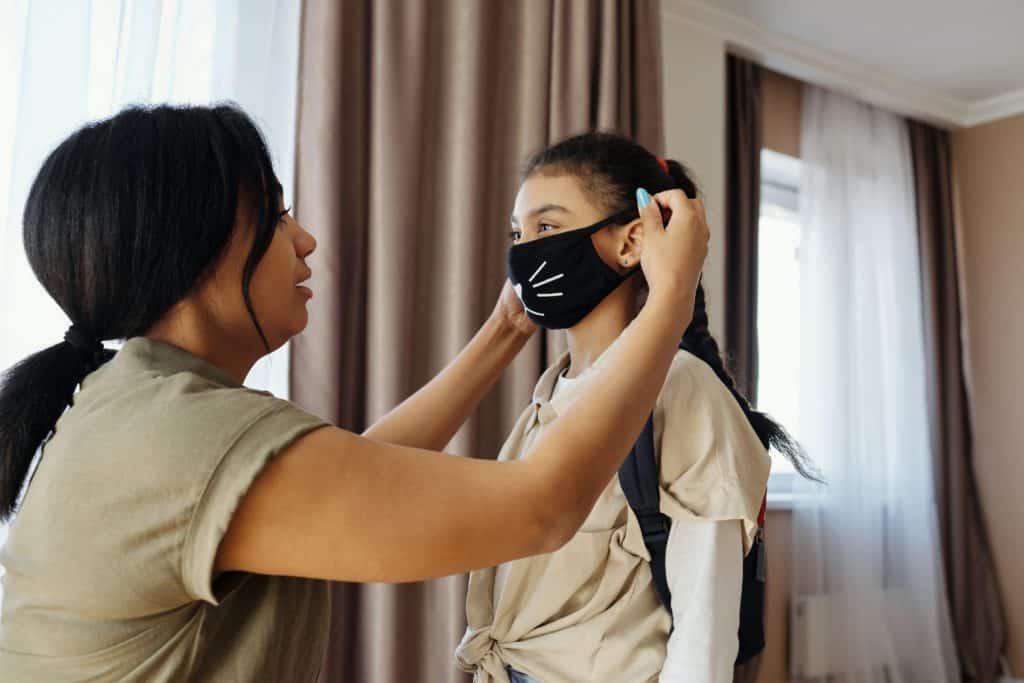

a woman placing a mask on a young girl
Mumbai | Masking norms had reduced cases of common colds and viral fevers

Dr. Souradipta Chandra has over eleven years of experience in the medical field. He has worked with COVID-19 patients extensively, and has in-depth knowledge of the virus. In this video he answers some frequently asked questions about protection from other viral as well as parasitic fevers.

Also read:

Leave a Reply

Your email address will not be published. Required fields are marked *

Similar Story

Delhi’s air is toxic, but are South Indian cities really breathing safe?

South India’s AQI may look “satisfactory,” but long-term exposure to toxic air, weak monitoring, and rising emissions shape a public health crisis.

"Delhi’s Air Quality Index (AQI) remains poor." "Flights cancelled due to smog in Delhi."  The headlines mostly focus on Delhi’s toxic air, and the spotlight rarely shifts. However, another story often goes untold: the air in South Indian cities. The AQI readings in Bengaluru, Chennai, Hyderabad and others mostly fall in the “satisfactory” range. Yet, does that really mean the air is safe to breathe? On a busy road in HSR Layout, Kanmani runs a tiffin centre from a pushcart. One evening, she began wrapping up earlier than usual. Just beside her shop, the air was thick with smoke. Garbage…

Similar Story

How reliable are mental health apps? NIMHANS researchers weigh in on risks

NIMHANS review of 350 mental health apps reveals gaps in research, privacy and care; In an interview, authors urge cautious, informed use.

As people gain awareness of mental health, many have started using apps that offer advice and support. This growth is driven by the increased use of smartphones and easy access to the internet. However, many people still believe that mental health care is expensive, which deters them from seeking professional help, despite the availability of trained experts at government hospitals and through helplines and district mental health programmes. Because of this, users may turn to digital platforms for mental health support. But, how reliable are these apps? A systematic review of 350 mental health applications by the Indian Council of…