How to prevent viral fevers other than COVID-19

In conversation with Dr Souradipta Chandra on the prevention of viral fevers other than COVID-19, in the context of flu viruses caused by the monsoon season

The threats induced by COVID-19 continue to warn the masses against large crowds and uncovered faces. Since masking became the norm, cases of flu viruses and common colds saw a rapid decline, but have resurfaced with the onset of the monsoon season. This might bring confusions in diagnoses, and people might wonder if they have COVID-19 or a viral fever. With so many viruses in the air, it is important to understand the differences between them for an accurate diagnosis and preventive practice.


Read more: Walk-ins introduced in Mumbai’s vaccination centres to help local residents
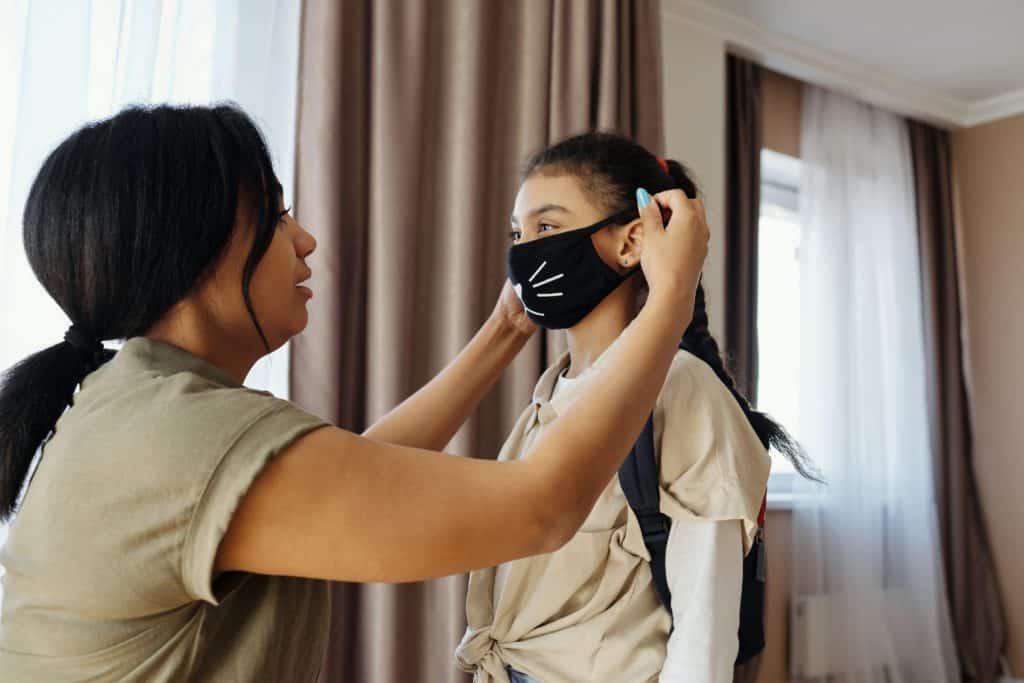

a woman placing a mask on a young girl
Mumbai | Masking norms had reduced cases of common colds and viral fevers

Dr. Souradipta Chandra has over eleven years of experience in the medical field. He has worked with COVID-19 patients extensively, and has in-depth knowledge of the virus. In this video he answers some frequently asked questions about protection from other viral as well as parasitic fevers.

Also read:

Leave a Reply

Your email address will not be published. Required fields are marked *

Similar Story

Reproductive health missing in Heat Action Plans, says climate expert Vidhya Venugopal

In an interview, Professor Vidhya calls for heat policies that address overlapping risks shaped by gender, caste and disability.

Across India, temperatures are soaring, and the impact is evident, from 300 suspected heat-related illness cases reported in Andhra Pradesh to 200 in Maharashtra, say news reports. Heat is unequally felt, with informal workers bearing the brunt of income loss and illness during the blazing hours. Another overlooked impact is heatwaves’ toll on menstrual and reproductive health, where access to washrooms and clean water exacerbates summers for women in low-income settlements, experts say.  Extreme heat exposure overlaps closely with marginalisation, says Vidhya Venugopal, Professor of Climate Change, Occupational and Environmental Health at Sri Ramachandra Institute of Higher Education and Research…

Similar Story

No breaks, no dignity: How heat affects menstrual health of Chennai’s women workers

As cities heat up, women in informal work face heightened discomfort during periods. Menstrual Hygiene Day (May 28) calls for urgent change.

At 8 am every day, M Subashini hops onto her two-wheeler and braces herself for the incessant Zomato order notifications on her phone, and the blistering May heat. Armed with a water bottle and gloves, the gig worker says "Veyil thaangamudila (can't bear the sun). But we took this job to be independent, and earn — so we can't stop, for rain or heat.” Shuttling across Ambattur's roads, the 38-year-old races between restaurants and residences, dropping off food packages under the scorching sun. An order within five kilometres usually earns her ₹20–50. “Men can do longer distances, but I can’t.…