, , , ,

India on the go 2017: Which was the slowest city?

Transportation services provider Ola has revealed several telling facts on mobility patterns in Indian cities in 2017. A summary in five interesting infographics

If you were to ask any commuter in any Indian city about their daily pet peeve, it would be the time spent in traffic.

And now, Ola, the new age mobility platform serving 110 cities with 8 lakh vehicles on the roads has presented a year-end glimpse of ‘how India commuted’ based on their records.

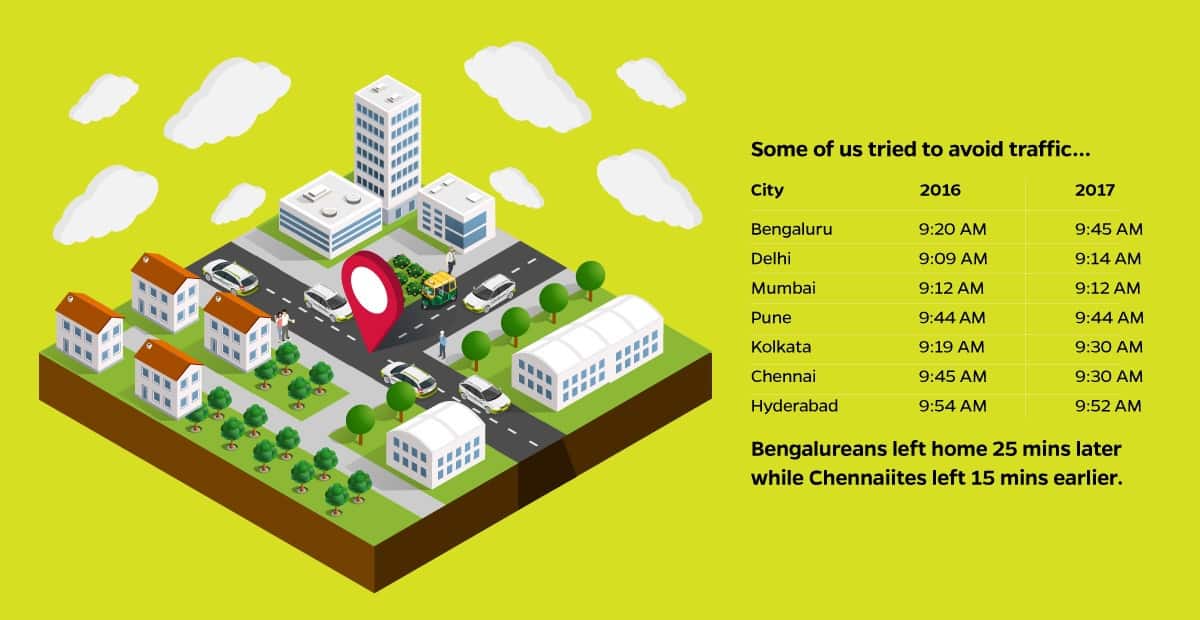
Some highlights from the top seven cities – Mumbai, Bangalore, Delhi, Hyderabad, Pune, Kolkata, and Chennai:

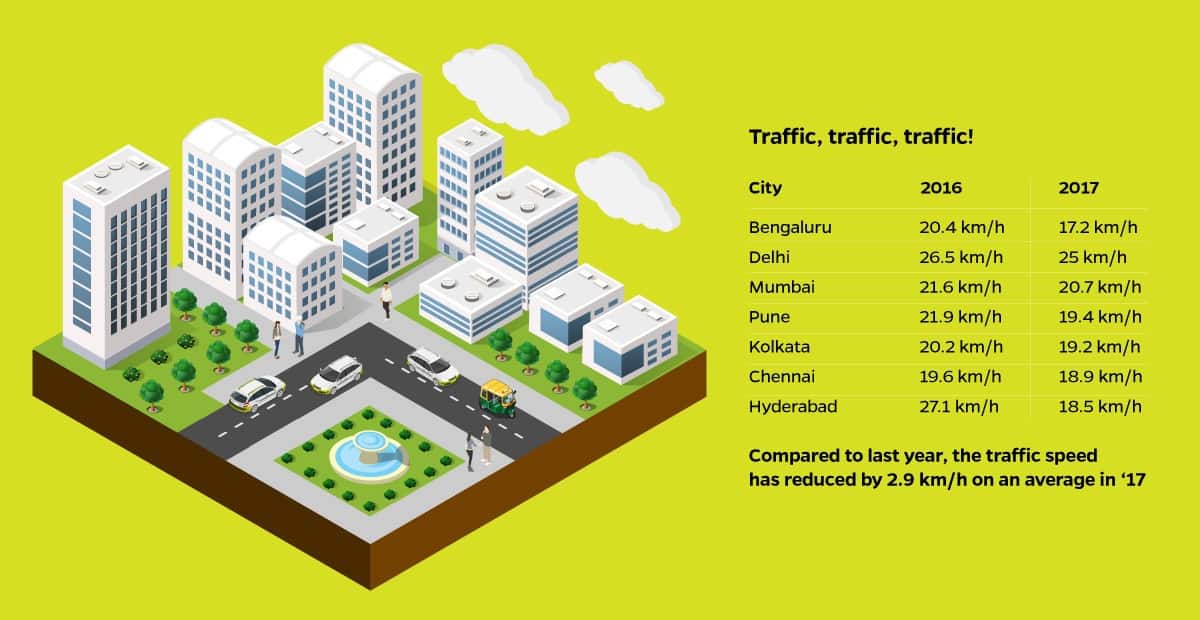
  • Total average traffic speed dropped by a whopping 2.9km/hr with Bangalore registering the slowest at 17.2km/hour
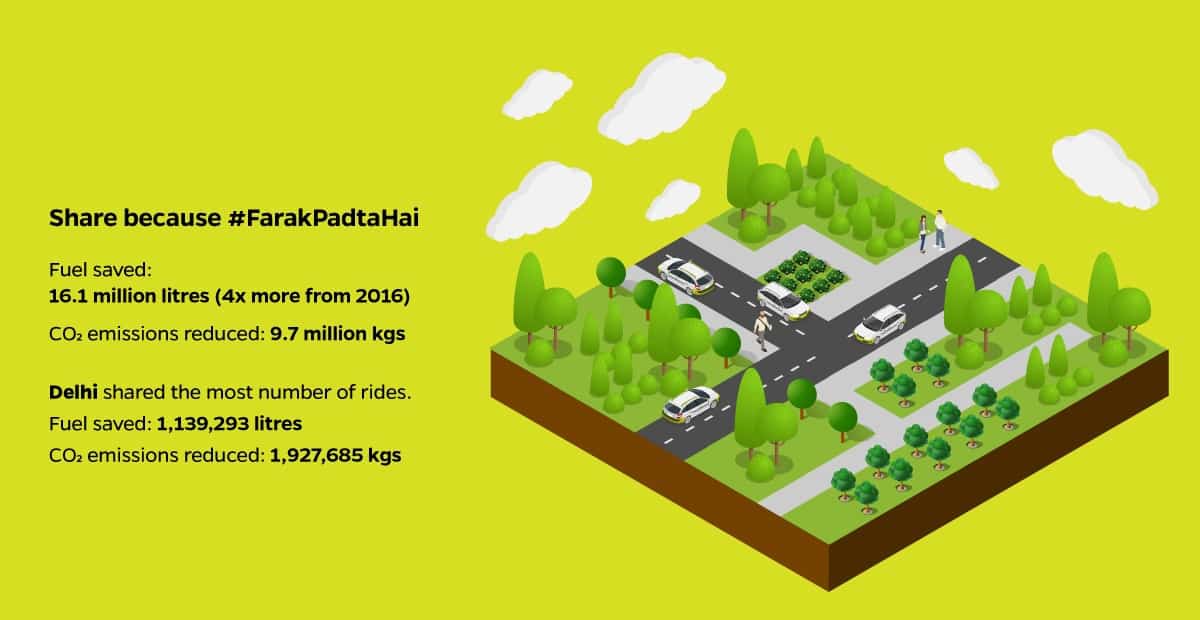
  • Ola Share has saved 4 times the fuel from last year, telling of the high customer adoption rate
  • Delhi tops as the city that shares the most
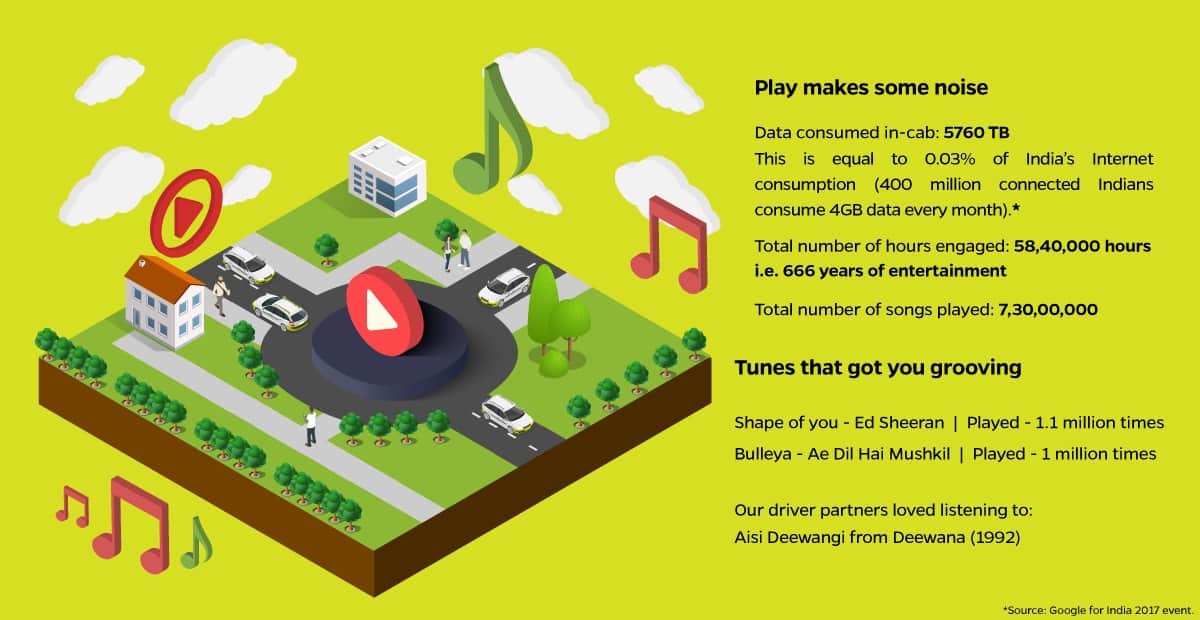
  • 666 years worth of time has been spent in engaging with Ola Play, consuming 480 TB of data every month
  • Ola Outstation has covered India’s road length 53 times, covering 17.35 cr kms across 800 destinations

Here’s a more detailed look at the mobility patterns in our cities, in five interesting infographs:
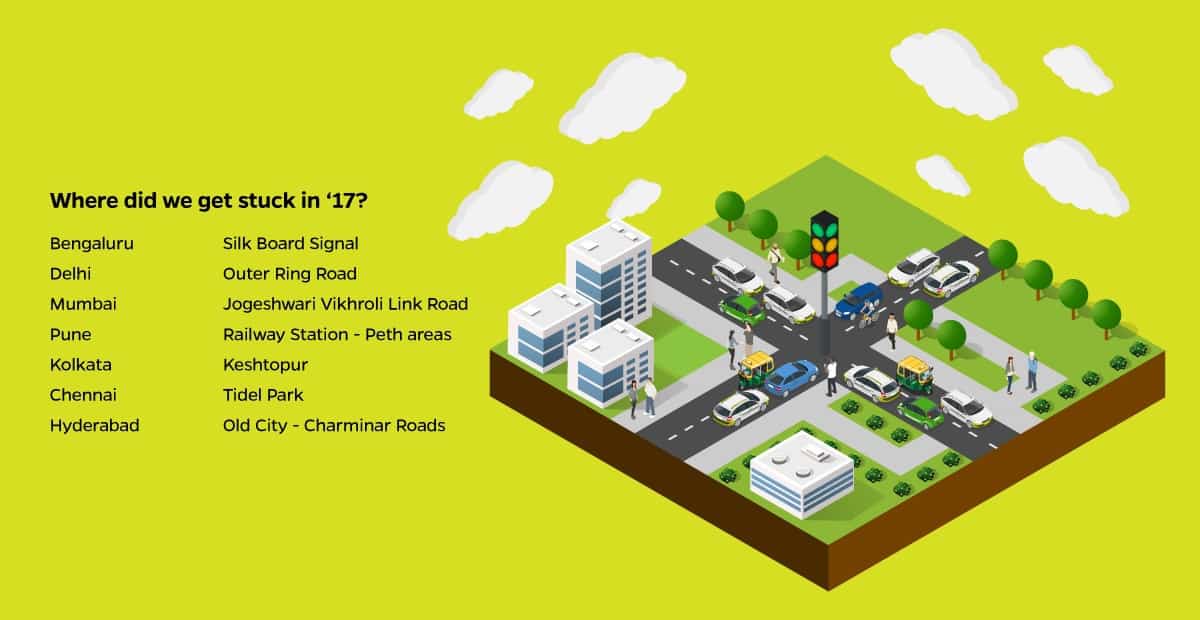
[All information and graphics here have been taken from a Press Note issued by Ola, and published here with minimal edits]

Comments:

  1. Amith says:

    Despite Namma Metro’s Phase One becoming operational, Bangalore’s traffic speeds have slowed down. Outlines the necessity for faster construction of phase two of Metro and introduction of suburban rail.
    Lazy Governments could not care less!

Leave a Reply

Your email address will not be published. Required fields are marked *

Similar Story

Pre-poll report card: Chennaiites call for better last-mile connectivity, walkable footpaths

Across suburban Chennai, fragmented public transport and poor last-mile connectivity force residents to rely on private vehicles

For the average Chennaiite, the daily commute has become an arduous task of navigating peak-hour congestion, poor footpaths and an unreliable public transport system. Ahead of the Assembly elections on April 23rd, the gap between official promises and the reality on the road continues to widen. Here is what the numbers say: Currently, the Metropolitan Transport Corporation (MTC) operates a fleet of 4,110 buses and launched 120 low-floor electric buses in 2025. However, experts say the city actually needs 7,000 buses for comfortable travel and better last-mile connectivity. Residents flag overcrowding and long wait times, which force many commuters, especially in…

Similar Story

Reshaping driving lessons: Road safety should be the ultimate priority

A Bengaluru driving school is rethinking how people learn to drive. Watch the video to find out how.

Nine two-wheeler riders die every hour in India. In 2024 alone, more than 4 lakh road accidents were reported. Nearly 1.7 lakh people lost their lives in these crashes. While Indian roads aren't the best, Dimpu Chindappa also attributes accidents to driver behaviour. Dimpu is an engineer who was building roads and now she own a driving school in Bengaluru, "Drivonaut". Drivonaut is a unique driving school which prioritises road safety and prepares drivers to prevent accidents. While most driving classes cut through the system to get their students the driving license, Drivonaut ensures that they are fully prepared for…