With the rising number of COVID cases in Karnataka crossing over 6,000 per day, of which over 4,000 cases per day are in Bengaluru itself, the Bruhat Bengaluru Mahanagara Palike has been organising a series of meetings with various Resident Welfare Associations (RWAs) to seek support in contact tracing and improving the reach of administering COVID vaccines.
On April 1, the central government extended vaccination for people above 45 years, irrespective of whether they have co-morbidities.
On April 2, during an interaction with the BBMP Chief Commissioner and Commissioner for Health, an overwhelming request by the RWAs was to conduct vaccination camps in apartment complexes.
Danger of high-density living
Apartments have been at the receiving end of the media spotlight, due to instances of the high density of COVID cases in some parts of the city.
In some cases, entire apartment complexes were declared containment zones, resulting in their sealing.
Read more: BBMP stepping up fight against second wave
Considering that a large number of people would eventually be eligible for vaccination, which would lead to crowding at hospitals and Primary Health Centres, the BBMP has decided to allow private hospitals to conduct vaccination camps.
These camps are already taking place in offices and apartment complexes where necessary infrastructure to accommodate large scale vaccinations is present. Recently, two apartments in Bengaluru, among several others, conducted vaccination drives on their premises on April 2.
Here’s how the apartments organised the vaccination drives in collaboration with hospitals and BBMP.
Story of two vaccination camps
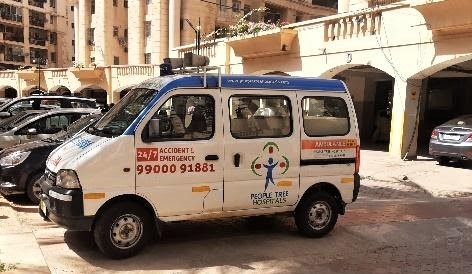
The residents’ forum of Platinum City, an apartment in RR Nagar Ward, conducted their vaccination drive in collaboration with BBMP and People Tree Hospital. As many as 152 people were administered Covishield.
Similarly, Brigade Millenium in Bengaluru’s South Zone also collaborated with the BBMP and Blossoms Hospital. Over a period of two days, 280 residents and housekeeping staff were administered Covaxin.
Some residents even encouraged their house help, cooks, drivers, and support staff to get vaccinated at their expense.
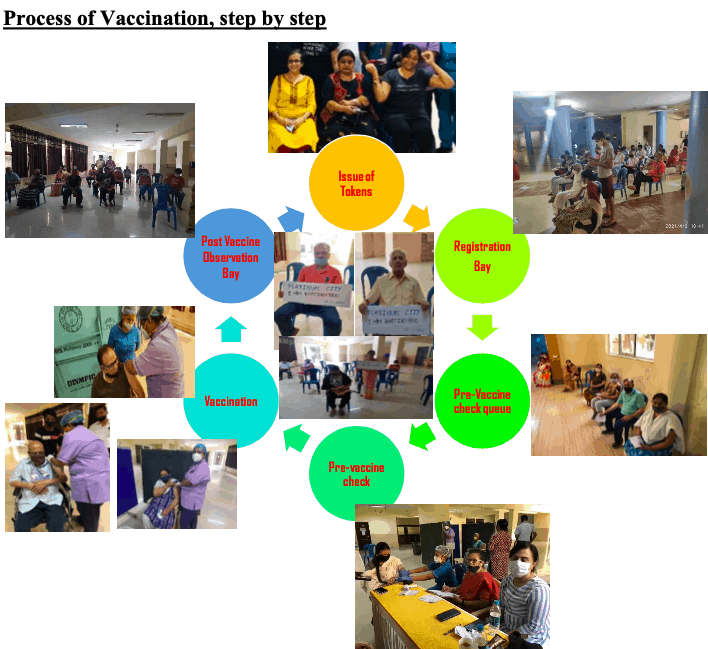
Below is the standard operating procedure (SOP) created by Shobha Raghavan and Gayathri Gopalakrishnan of Brigade Millennium for organising COVID vaccination drive in apartments in Bengaluru.
Connecting with BBMP and local hospitals
- Mail the Joint Commissioner of your BBMP Zone requesting for tie-up with a suitable hospital or connect with your Zone/Ward BBMP doctors and health inspectors
- BBMP Ward/Zone officials will help you connect with a hospital to administer the service within the apartment premises
- Alternately, connect with the nearest hospital in the vicinity and request for the COVID vaccination service
- Arrange for a site visit and inspection by the BBMP doctors/officials/hospital to speed the process
- Get a suitable date and location approved for the vaccination drive
Arrangements to be made at the apartment
- Get a suitable location on the ground floor with space to park an ambulance
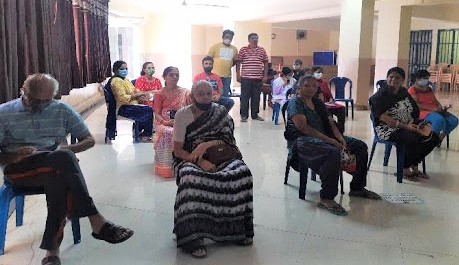
- Make the residents sit during the registration process, then administer the vaccines after which ensure 30 minutes of the observation period
- Get a small group of volunteers to help plan operations and coordinate with the hospital
- Preferably, get in-house doctors to be around during vaccination if the hospital is not able to mobilise the same
- Volunteers to collect the name of the residents and their year of birth (above 45+) to help give a count to the hospital to arrange for vaccines
- All interested residents to self register on the CoWIN website and keep the volunteers informed of the same
- On the day of the vaccination drive, the hospital administration team will ask for the following:
- Phone number used for registration on the CoWIN website (phone to be brought along in case there is an Aadhaar authentication issue)
- Aadhaar Number (carry a picture/original along with you)
Read more: Struggling to book or reschedule a slot for the COVID vaccine? Read this
The above process will take a couple of minutes if all the data available is accurate. Residents will then be sent for vaccination and made to sit for 30 minutes after the vaccine is administered.
Setting up suitable infrastructure
One of the reasons put forth for not allowing vaccination drives outside the hospital environment was the lack of cold storage facility and the availability of medical staff to handle any emergencies. Apartments have overcome these hurdles by providing infrastructure such as:
- Clubhouse — rooms with good ventilation or AC preferred for the efficacy of vaccination during the jab
- Registration/verification counter — counters outside to curb crowd
- Staggered appointments — preference given to elderly people in the morning
Hospitals usually provide the following:
- A doctor and nurses to administer the vaccine and observation, and staff for registration
- On-spot ambulance to handle emergencies
In Bengaluru, Bangalore Apartments’ Federation (BAF), which has over 930 apartment complexes housing 1,78,390 flats as members, has collaborated with BBMP and hospital networks to facilitate COVID vaccination drives as well as on-site testing in their member apartments.
“In the upcoming few critical weeks, this campaign will ensure smart planning and deployment of testing camps and vaccination camps within apartment complexes and residential communities to ensure that the growing risk of COVID is identified, curtailed and mitigated effectively,” said Vikram Rai, General Secretary, Bangalore Apartments’ Federation.
These drives have the potential to increase vaccination coverage in a short period of time, especially in cities where a sizeable population lives in apartment complexes. Credit must go to civic authorities for thinking this up at a critical juncture, as the second wave is stronger than the previous one.
We are interested to join in this program to execute vaccination to our RWA members and their families.
Hello! Vaccination for two apartments
1.prestige green woods Nagavara palya
2.Gopalan Aristocrats Kasturi Nagar
How do we contact BBMP on this issue
Thank you for your help.