The deaths of over 20 children in the past few weeks, after consuming cough syrup that was reportedly contaminated with toxic chemicals, have sparked nationwide concern and left parents searching for answers. The deaths, which occurred in Madhya Pradesh and Rajasthan, have been linked to a medicine called Coldrif, which is a fixed-dose combination drug (FDC) used to treat common cold symptoms.
In August 2024, the Union Health Ministry banned 156 FDC drugs, citing serious health risks to humans. The World Health Organization (WHO) has also repeatedly warned about the dangers of contaminants in paediatric medicines. In a country where people often take cough syrups and over-the-counter medications without caution, the tragedy highlights a lack of regulation and public health safeguards.
If you are a parent, here are 10 questions you should be asking about cough syrup for children, along with their answers.
Knowing about safe medication
Q1. What is the scientific mechanism behind how cough syrups work?
Most cough syrups contain one or more of the following:
- Antihistamines (cetirizine, fexofenadine, chlorpheniramine): Reduce allergic irritation in the respiratory tract and help ease cough, runny nose, and eye watering.
- Leukotriene antagonists (montelukast): Reduce allergic inflammation.
- Mucolytics and expectorants (ambroxol, guaifenesin): Thin the mucus and make it easier to cough up.
- Decongestants (phenylephrine): Shrink swollen nasal passages and reduce blockage.
- Cough suppressants (dextromethorphan): Act on brain centres to reduce the urge to cough. Codeine, another suppressant, is an opioid and is banned because of addiction risk.
- Bronchodilators (Salbutamol, Terbutaline): Open up constricted breathing tubes in asthma or wheezing.
Read more: Air pollution havoc: The many ways in which poor air is threatening our children’s lives
Q2. What are the dos and don’ts before buying OTC cough syrups?
Never go to a pharmacy and say, “Give me a good cough syrup.” For children, avoid buying OTC medications without guidance. Your paediatrician can advise which medicines are safe to start for a mild cold or cough, and what dose to use. If you’re offered an alternative brand, always check with your doctor first.
Q3. What should parents know before giving cough syrup?
Cough is not a single disease. Most coughs are due to viral infections, causing throat and airway irritation. Others may be due to allergies, adenoids, asthma, or, rarely, more serious causes. Since the reasons vary, there is no “one-size-fits-all” cough syrup.
Parents should:
- Use only medicines prescribed for mild symptoms.
- Follow the correct dose and duration.
- Ask your doctor what each medication does and why it’s prescribed.
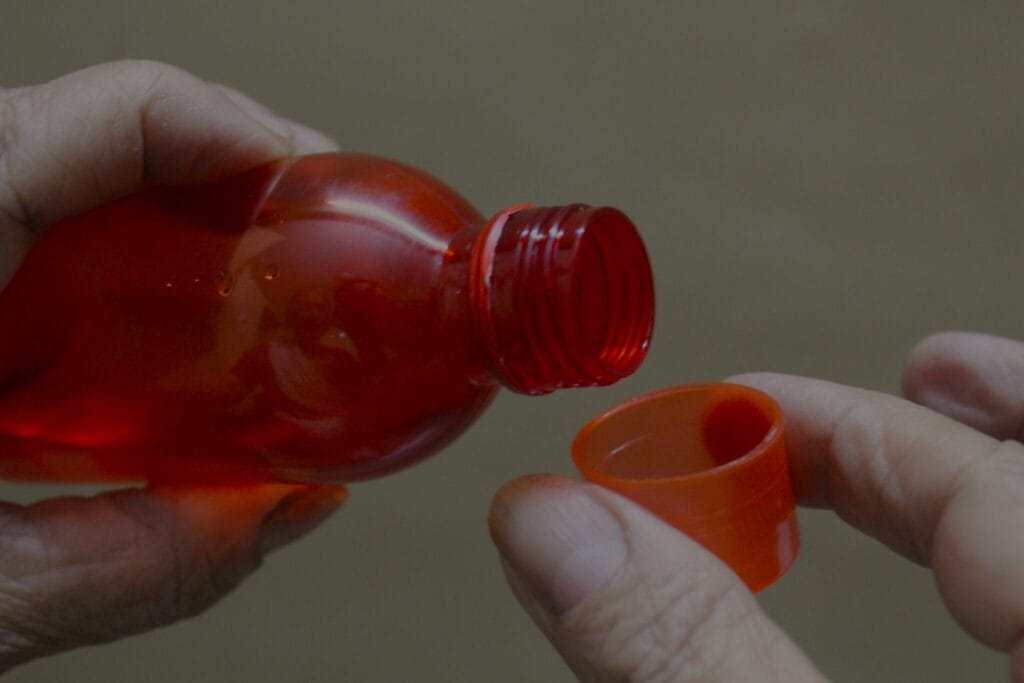
Adverse effects on children
Q4. Are labels like “for dry cough” or “for wet cough” useful?
No. These taglines are not scientifically reliable.
Q5. Are cough syrups effective in children? What are the downsides?
In most cases, cough syrups are not effective in children. Some provide mild relief, but many coughs settle naturally. Certain medicines, such as antihistamines (cetirizine), leukotriene antagonists (montelukast), or mucolytics, may help in specific situations and are generally safe. However, syrups containing bronchodilators (terbutaline, salbutamol) are often misused. These are better given via inhalers, which act directly on the lungs. Repeated syrup use can cause hand tremors, a rapid heartbeat, irritability, or anxiety.
Q6. What ingredients can harm young children, and how?
Many fixed-dose combinations (antihistamines + decongestants + bronchodilators) are unnecessary or unscientific. A fixed-dose combination is a medicine that has two or more active pharmaceutical ingredients in a single dosage form, such as a tablet or syrup.
Moreover, Bronchodilators like terbutaline or salbutamol, when taken as syrups, require higher doses that circulate systemically and may cause an increase in heart rate, palpitations, hand tremors, or anxiety. Their effectiveness in treating coughs is also minimal.
Most cough syrups are not licensed for use for children under 2 years of age, as safety data is limited.
Q7. Many children in Madhya Pradesh and Rajasthan have died after reportedly consuming cough syrups. What could have caused these deaths?
This is most likely due to contaminants in some cough syrup products. Some syrups have been found to contain diethylene glycol (DEG) or ethylene glycol (EG), which are industrial chemicals not meant for use in medicines. However, some pharmaceuticals may use them as stabilisers or sweeteners instead of safe solvents like propylene glycol to bring down production costs. These toxic chemicals can cause kidney failure, nervous system damage, or even death.
Ensuring safety
Q8. What are the symptoms of DEG/EG poisoning?
These chemicals are not meant for human use and are highly toxic.
Stages of poisoning:
- Phase 1: Vomiting, abdominal pain, loose stools, sometimes drowsiness and low BP.
- Phase 2: Within 1–2 days, kidney injury leads to no urine output, high blood pressure, and heart rhythm issues.
- Phase 3: Severe neurological damage — paralysis, seizures, coma.
Early detection and treatment can save lives, but lasting damage may occur.
Q9. What are safer alternatives for cough and cold relief?
- Warm fluids (water with honey and lemon) can soothe the throat. Do not give honey to infants under one year.
- Hard candies or lozenges (for older kids) can help.
- Saline nasal drops/sprays relieve nasal blockage.
- Mild viral colds often need no medication at all.
If a child has a mild cough without fever or other concerning symptoms, simple home remedies are usually sufficient. However, if the cough continues and is accompanied by fever, difficulty breathing, or disrupted sleep, it’s best to consult a paediatrician
Q10. Why were some fixed-dose combinations banned last year?
Combinations like chlorpheniramine (a sedative antihistamine) with phenylephrine (a decongestant) are irrational and risky. Phenylephrine can unpredictably affect heart rate and blood pressure, especially in young children (under four years), hence the restrictions.
Fixed-dose combinations are not in use in most developed countries because of their toxic nature. However, these products are still available in the Indian market and are supposed to be released with a warning printed on the packaging. Often, these medicines are sold without any warning labels and may prove dangerous for children.
Also read:
- Newborn screening: Why it is needed and what we must know
- Summer is no fun: The silent toll of heat on children
- Fever gone, but still feeling sick? Here’s why…