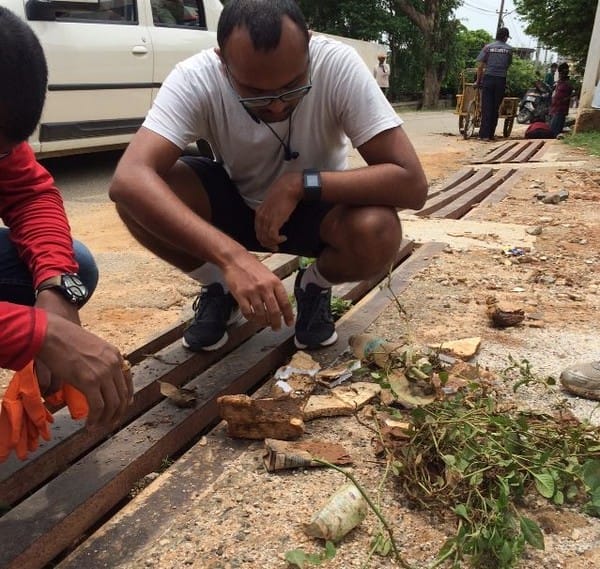
Clearing the drains before the rains: a pictorial how-to guide!

A team of citizens cleared rainwater channels and helped rainwater flow into the lake. Here's how they did it.

I needed that drink after just an hour out in the sun on Saturday morning near the Puttenahalli Lake, at Nataraj Layout in JP Nagar.
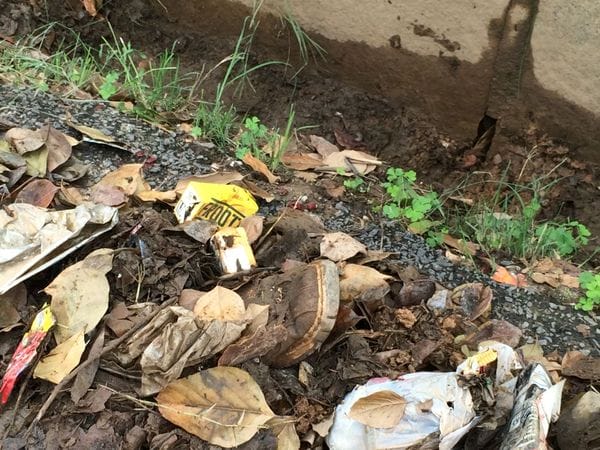
More labour under what looked like a deceptively dull sky that morning and it quietly saps you.
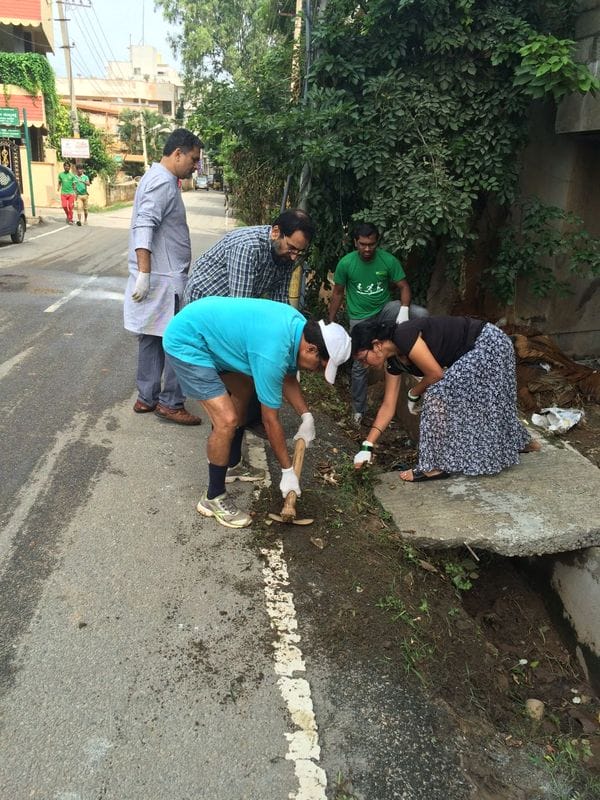
At that point, all resolutions incinerate instantly and the body rejects what appears like salad, fresh though it may be.
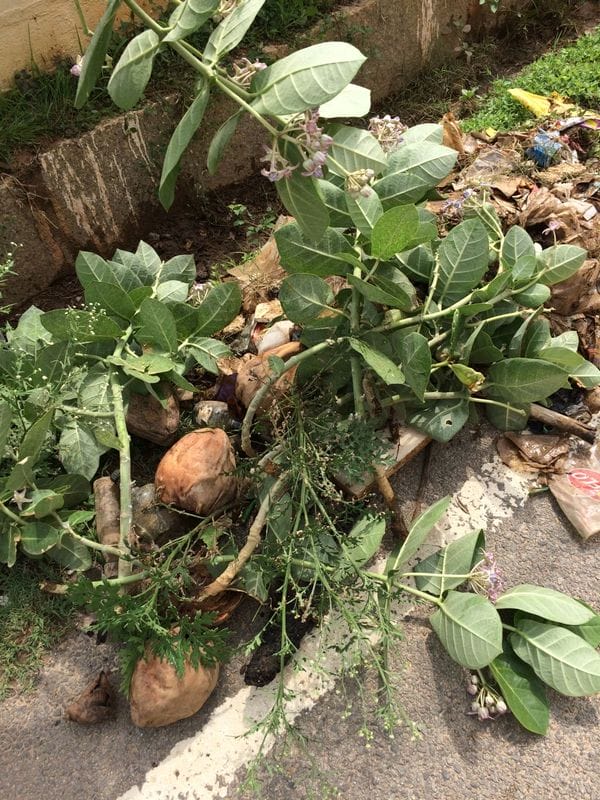
Instead, the body wants to chill on a mat,
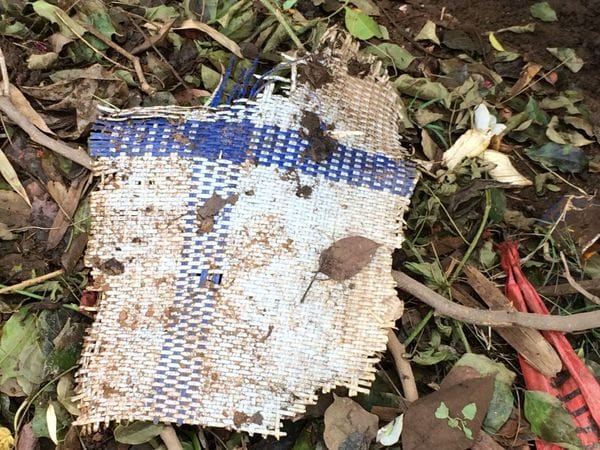
or even better, on a seat
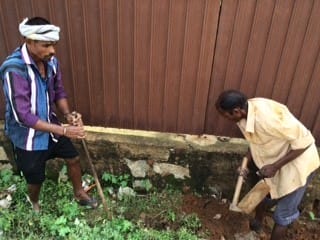
with liquid much stronger.

And voila! Nothing like the kind consideration of my fellow nationals in the thoughtful accompaniment of the glass with the bottle.
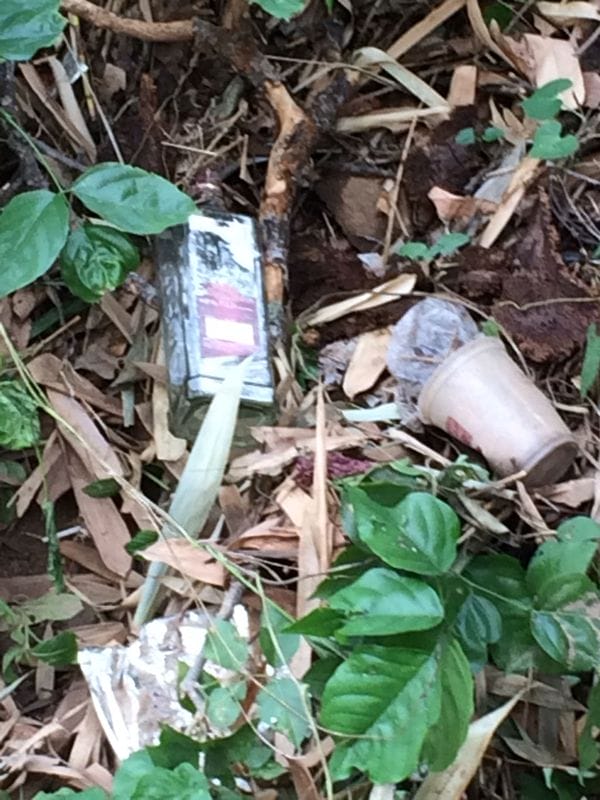
A bit more clearing and 30% calorie and salts lost must be compensated
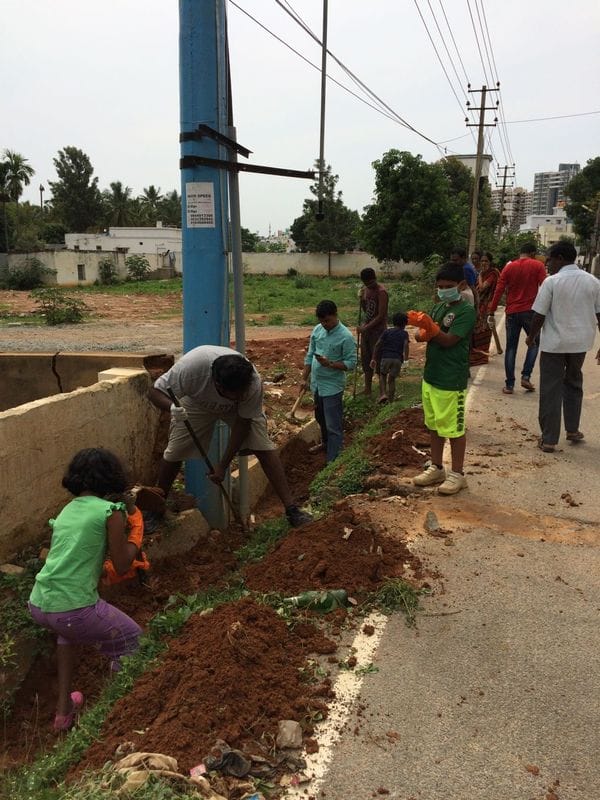
and not to mention, the stronger brew is sad and lonely without munchies.
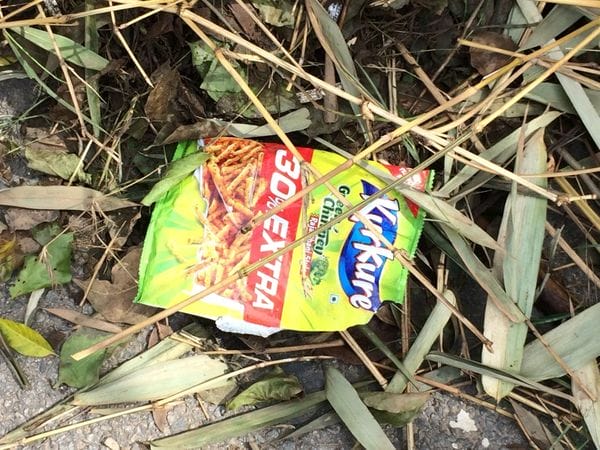
As time wears on, one is inevitably drained and no mat-in-drain or slab-in-drain can compete with the irresistible beckoning of the beanie-in-drain.
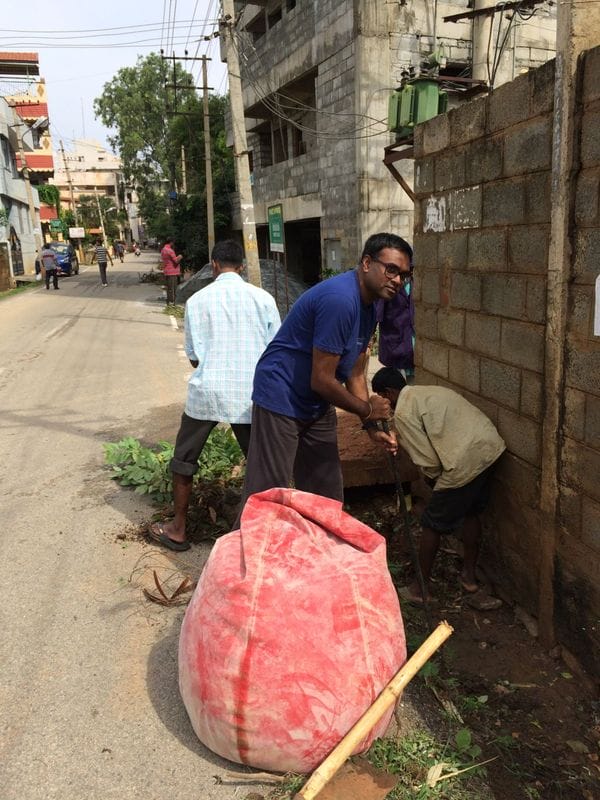
Dhanyavadagalu aplenty to the regurgitating earth of Namma Bengaluru for its boundless generosity and tolerance that we’ve mercilessly stripped. A hygiene conscious citizenry that we are, it’s time to wash up and scram with the treasures before we’re caught with muddy hands.
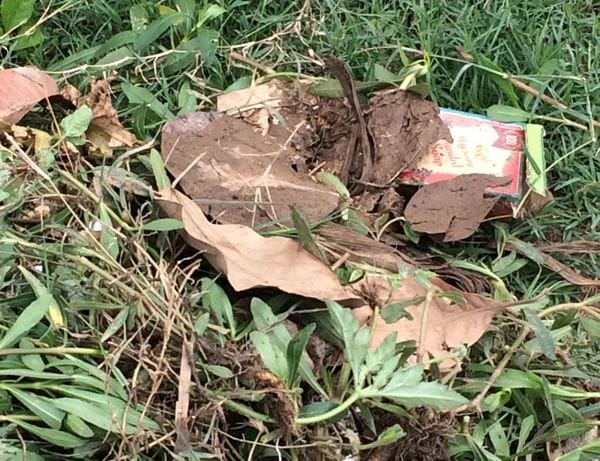
You can only lament, “Ayyo, the treasures of the storm water khazana of Nataraj Layout have been mined by selfish volunteers and BBMP personnel, and we will be left with nothing but rain water running with impunity to the lake. En, appa idi?

Our repartee, “Swalpa adjust maad bidi!

PS: A “cut” of the treasure has been sent off to the Sutradhari, Srinivas Alavilli, who gave us the blueprint for this “daylight robbery“.

Leave a Reply

Your email address will not be published. Required fields are marked *

Similar Story

Shaping Bengaluru: “Citizens can add real capacity through local knowledge, feedback”

We spoke to authors of the Janaagraha report, ‘Shaping Urban India’ to understand its recommendations in the context of Bengaluru.

“The road is broken, buses are overcrowded, traffic disrupts daily life, garbage piles up on the streets”—these are everyday complaints of citizens across Indian cities. In Bengaluru, these issues only seem to be worsening with passing time. Bengaluru’s built-up area grew by 85.19% between 2001 and 2020, resulting in commuters losing 168 hours (one week) annually to traffic congestion. As the city grows rapidly, governance systems, data frameworks, and citizen participation have failed to keep pace with its increasing complexity. What would it take to bridge this gap?  A report by Janaagraha, a non-profit working to improve the quality of…

Similar Story

India Civic Summit 2026: Spotlight on changemakers transforming cities

From waste management to urban forests, the Indian Civic Summit spotlights residents that are driving change in their cities

Cities are the heart of the Indian growth story. Vibrant. Crowded. Diverse. Multidimensional. And yet, as we look around us, we find that they are ridden with problems and face multiple threats to their ecology, habitats and human lives. The crises in our cities make it hard to imagine an urban future that is truly inclusive, sustainable and marked by high liveability standards. But as the oft-cited quote from anthropologist Margaret Mead goes, "Never doubt that a small group of thoughtful, committed, citizens can change the world. Indeed, it is the only thing that ever has."  That is perhaps the…