Delhi and Mumbai see dip in daily cases
On January 21st, Delhi and Mumbai logged 10,756 and 5,008 single-day cases respectively, with a reduced positivity rate of 18.04 per cent in Delhi. Mumbai logged a decline in cases for the third day in a row. Delhi recorded 38 deaths in the previous 24 hours, and Mumbai logged 12.
In the light of decreasing case numbers, the Delhi government announced lifting of weekend curfew. However, the lieutenant governor vetoed the decision.
The Union Health Ministry announced that institutional isolation would not be mandatory for international travellers arriving from at-risk countries starting January 22nd. However, seven-day home quarantine is still required.
Source: The Indian Express
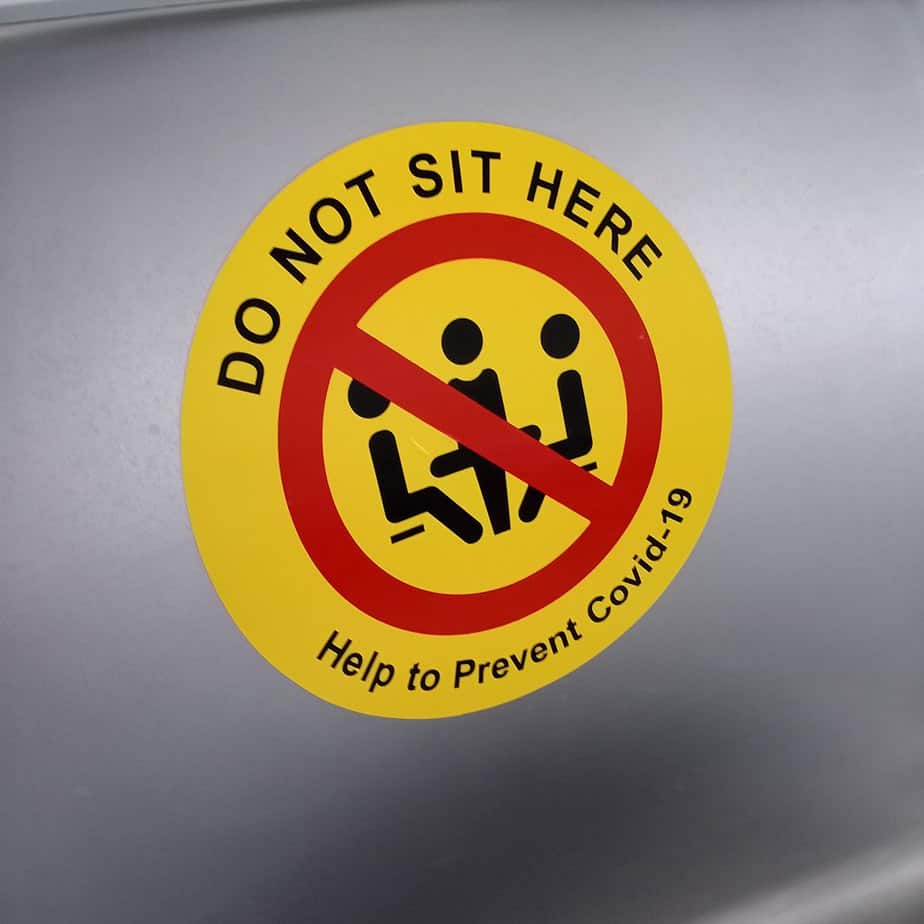
Blanket travel bans not suitable approach to curb COVID-19, says WHO
Banning movement of people is a counterproductive approach in containing the spread of COVID-19 in India, according to Roderico H Ofrin, the India representative of the World Health Organisation (WHO). He asserted that a risk-based approach is needed instead.
“WHO does not recommend a blanket travel ban, nor complete restriction of people’s movement,” Ofrin told PTI. “In many ways, such blanket approaches can be counterproductive. In India, with its diversity in population distribution and geographic spread, the risk-based approach remains the wiser public health practice to counter a pandemic”.
In the current scenario, a nuanced and focused public health system would be enough, added Orfin. Expanding vaccination coverage, masking, maintaining hand hygiene, physical distancing, ventilation of indoor spaces and crowd avoidance are all important and lockdowns wouldn’t be required if protocol is followed.
Source: The Economic Times
India Ratings projects the country’s economy to grow by 7.6% in FY23
According to India Ratings and Research, the country’s economy is likely to grow at 7.6% in 2022-23. On January 20th, the agency said that after a gap of two years, the Indian economy will show expansion.
“However, the size of the Indian economy in FY23 will be 10.2% lower than the FY23 GDP trend value. A continued weakness in private consumption and investment demand is estimated to contribute 43.4% and 21% respectively, to this shortfall,” the agency’s report said.
Source: The Times of India
Read more: Inflation+recession=Poverty+high prices. The corollary: Hunger
Booster dose to be delayed by three months post-recovery
The Centre on January 21st said vaccination against COVID-19, including precaution doses, will now be delayed by three months for those who have tested positive.
“Please note that in case of individuals having lab test proven SARS-2 COVID-19 illness, all COVID vaccination including precaution dose to be deferred by three months after recovery,” Union Health Ministry Additional Secretary Vikas Sheel said in a letter addressed to all states and union territories. The decision is based on scientific evidence and recommendation of the National Technical Advisory Group on immunisation.
Source: Hindustan Times
Ban on election rallies, road shows to continue
On January 15th, the election commission had imposed a ban on physical rallies and road shows until January 22nd owing to the surge in COVID-19 cases. Given the current situation, sources claimed that the ban is likely to continue till next week.
Stringent guidelines curbing the number of persons allowed for door-to-door campaigns to five were also announced. Indoor meetings, however, were allowed with a maximum capacity of 300 people, or a 50% capacity of the venue.
Incidentally, union home minister Amit Shah is currently on a door-to-door campaign in one UP constituency on January 22nd.
Source: India Today
(Compiled by Saachi D’Souza)