Contributors of greenhouse gas in Chennai identified
Emissions from vehicles and railways have been found to contribute 16% of all greenhouse gas emissions in Chennai. The findings were tabled as part of a report on the Chennai Climate Action Plan (CCAP) drafted by the Greater Chennai Corporation (GCC).
The report prepared by Deloitte has found that 66.4% of all motorised transport trips in the city are driven by fossil-fuel-based vehicles. The share of non-motorised transport in Chennai stands at 28%.
To reduce emissions, the report suggests incentivising a switch to e-vehicles. The creation of infrastructure for charging and amendments to building rules will be necessary to promote e-vehicles. Grants from the state government will be required to enable the transition.
Source: The New Indian Express
Read more: Does Chennai need a climate action plan?
Hoardings likely to be permitted in Chennai
The Tamil Nadu government has made the decision to permit hoardings in Chennai in a bid to boost Greater Chennai Corporation’s own source of revenue. A Government Order has been passed under the Tamil Nadu Urban Local Bodies Act 2022 in this regard.
Municipal Administration and Water Supply Department Minister K N Nehru, said that the goal of regulating hoardings and establishing rules is to prevent illegal advertising hoardings and bring offenders to justice. He also noted that Greater Chennai will take action against all illegal hoardings in the city and punish the violators.
The move has invited opposition from residents who point out the dangers of hoardings such as distracted driving, issues with unstable hoardings and threats during cyclones.
Sources: The Hindu | The Times of India
TNUHDB’s decision to allocate houses irks Nochikuppam residents
Following the allotment of 320 houses in the Tamil Nadu Urban Habitat Development Board (TNUHDB) quarters to residents of Dooming Kuppam and other fishing hamlets, hundreds of residents of Nochikuppam staged a protest on April 30.
The 11 blocks meant for residents of Nochikuppam are complete, while the construction is underway for those from other villages. The construction of the buildings began in 2014. Citing the building damage in Dooming Kuppam, the officials allocated only 534 houses for Nochikuppam residents, while around 32 units, which is originally meant for Nochikuppam residents, are allocated to residents of Dooming Kuppam.
The officials claim that they have allocated the houses to Dooming Kuppam and other fishing hamlet residents so that they can demolish the damaged buildings and reconstruct them.
Source: The New Indian Express
Read more: A wishlist to tackle homelessness in Chennai
Greater Chennai Corporation issues instructions for re-laid roads
The Greater Chennai Corporation (GCC) has instructed the service departments like TANGEDCO and Chennai Metropolitan Water Supply and Sewerage Board (CMWSSB) to not dig up the roads re-laid under the Singara Chennai 2.0 project and Tamil Nadu Urban Roads Infrastructure (TURIF) programme for a minimum of one year unless there is an emergency.
This instruction would cover all 600 bus route roads in Chennai. The departments should get permission from the GCC to dig up the road in case of an emergency.
The civic body has also been conducting regular inspections and monitoring the quality of the re-laid roads.
Source: DT Next
Representatives selected for town vending committee in Chennai
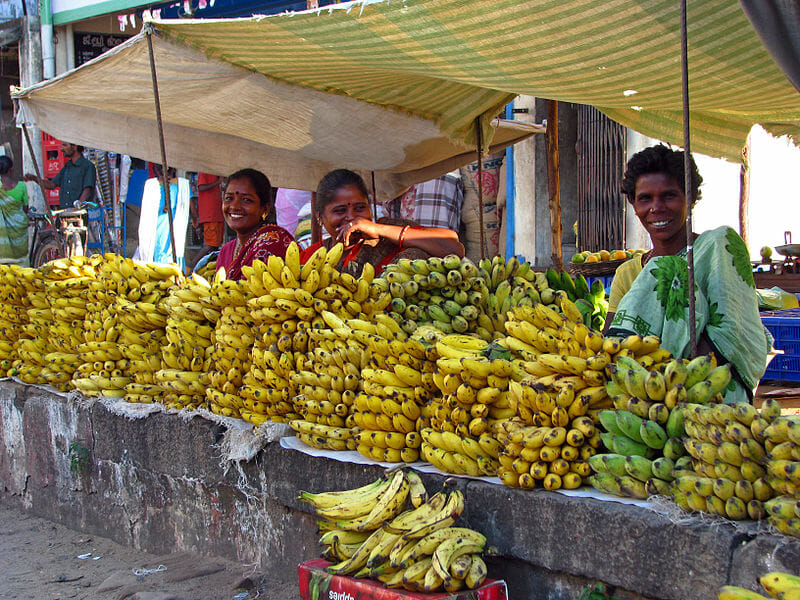
Six persons, namely K Monisha, S Kannan, Jennifer A, Balamurugan M, S Chithra, and K Balaraman for different sections such as adi dravidar/tribal, OBC, minority, differently abled, women and general class respectively, were selected as the representatives of the town vending committee for the street vendors in Chennai.
Following the polls conducted in 104 polling centres in 15 selected stations with high security on April 27, the results were announced on April 29. The polls saw voters turn out of 38%, while there are over 35,000 street vendors in Chennai.
Source: DT Next
[Compiled by Shobana Radhakrishnan]