Have you walked around your city lately, and observed the collapsed Electricity Board wires and mounds of garbage near various government departments? Or the remnants from so called developmental work undertaken by the state or the various parastatal agencies?
Even as we talk about waste and what can be done to manage household/industrial waste more effectively, piles of unattended debris and confiscated vehicles dumped by various government departments stand as testimony to the inaction by the Tamil Nadu Government. While the Chennai Corporation is frequently under fire for being unable to check dumping of unprocessed waste near water bodies or on the roadside, it is unfortunate that the negligence of state departments themselves often escapes the scanner.
Here’s what a few of us found during a random check in certain neighbourhoods. It highlights the need for a comprehensive law to monitor such institutional garbage and also clear guidelines on how citizens can raise complaints about such unclaimed waste lying around, making it difficult to navigate these stretches.
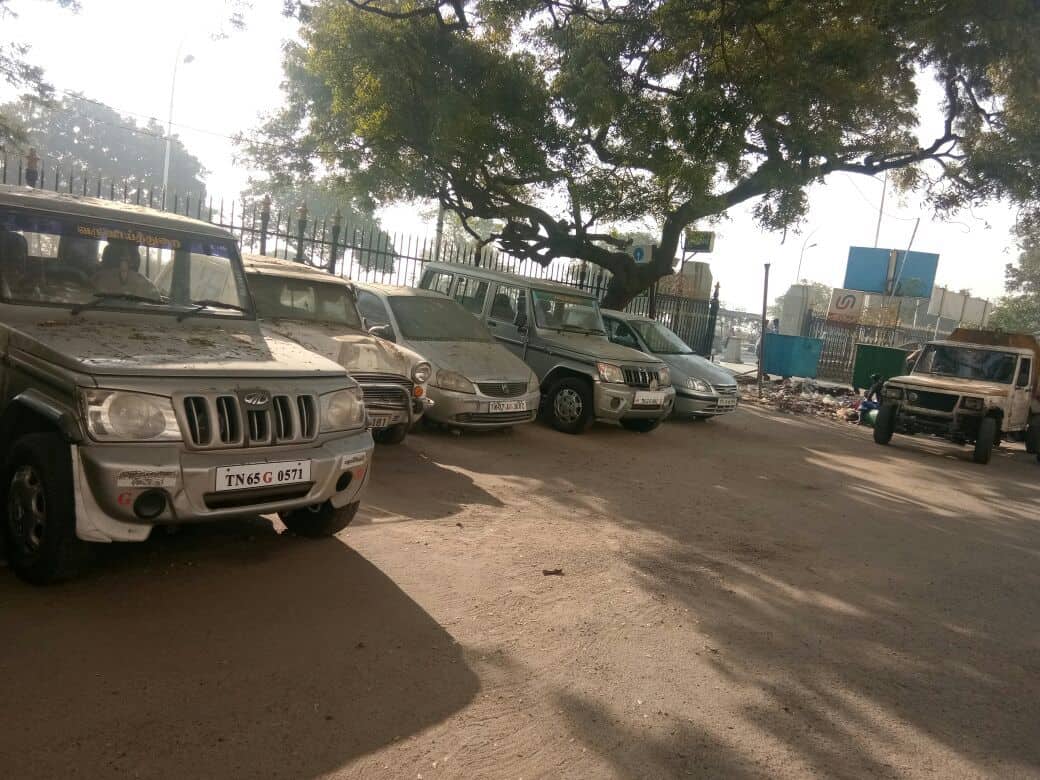
A line of condemned vehicles disposed of by the revenue department occupies space at Ezhizhagam, which is a hub of various government departments on Beach Road. Pic: C R Balaji
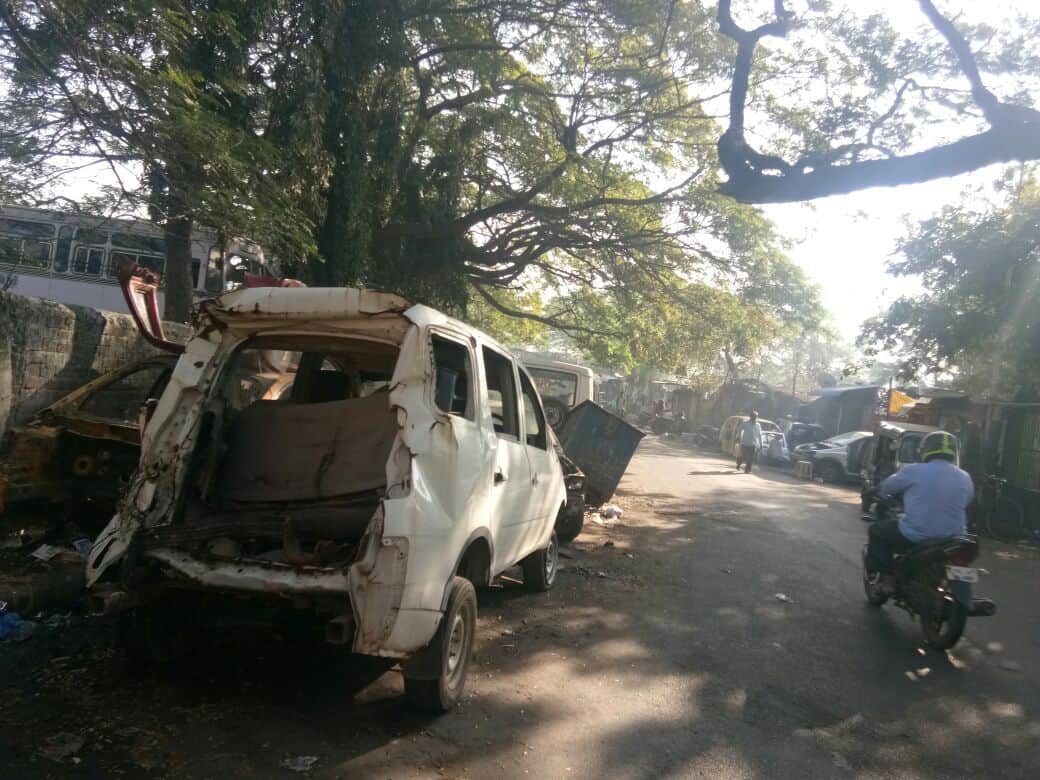
A recovery vehicle dumped by the police department on Cooum Link Road. Pic: C R Balaji
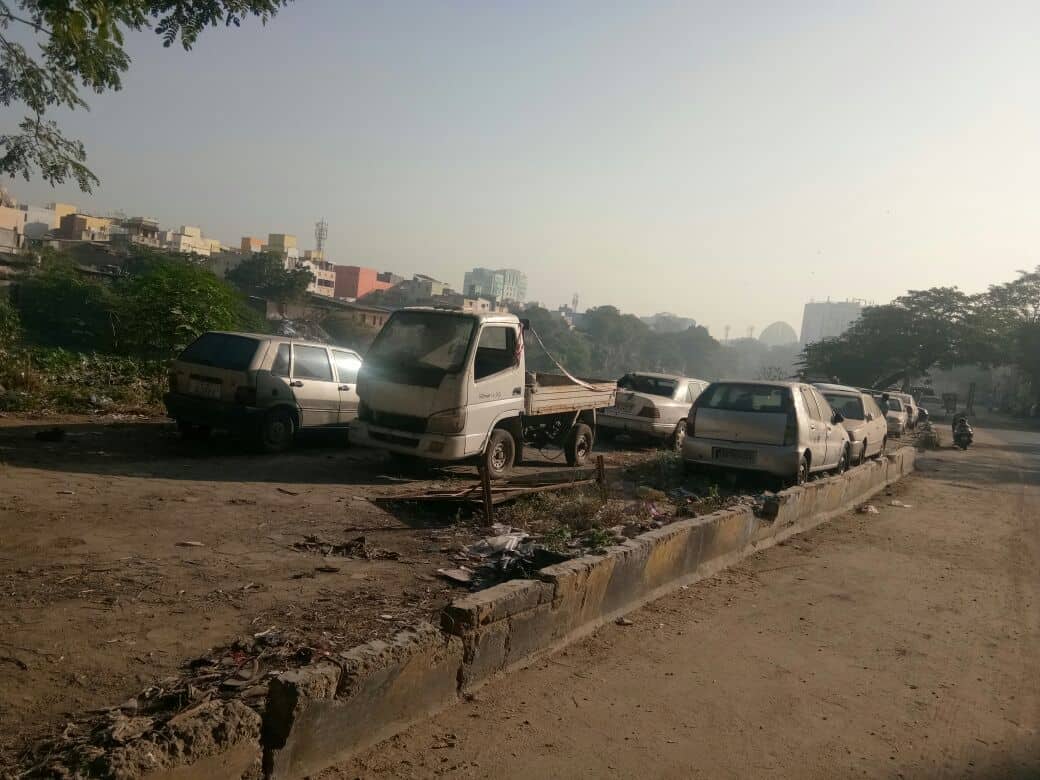
Vehicles confiscated by the police department are dumped at Cooum Link Road, in front of the TNEB office. Few vehicles are dumped by the mechanics from Pudupet, a locality famous for second-hand automobiles. Pic: C R Balaji
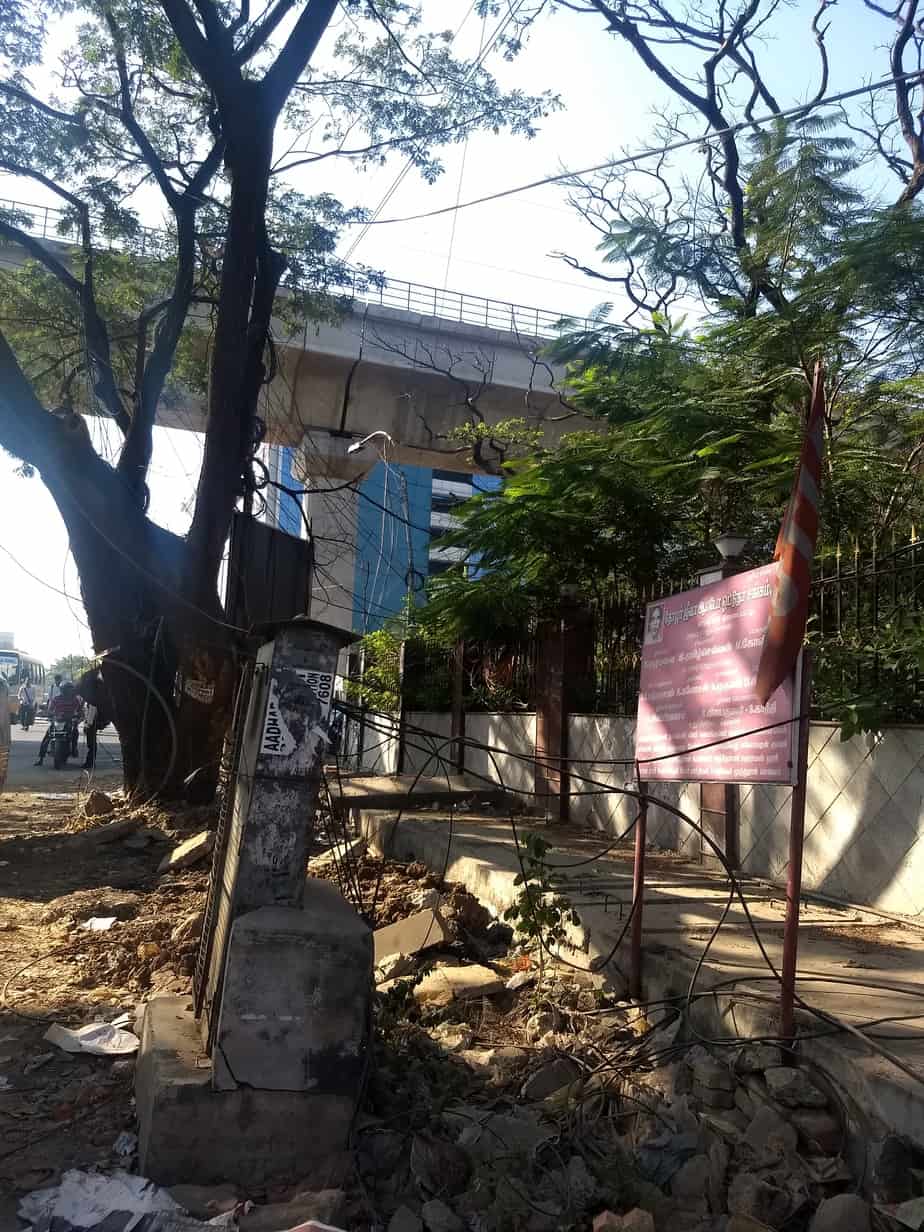
Entangled electricity board wires opposite the Olympia Tech Park, dangling thus for more than a year now, pose real danger to road users at Ekkaduthangal. Pic: Laasya Shekhar
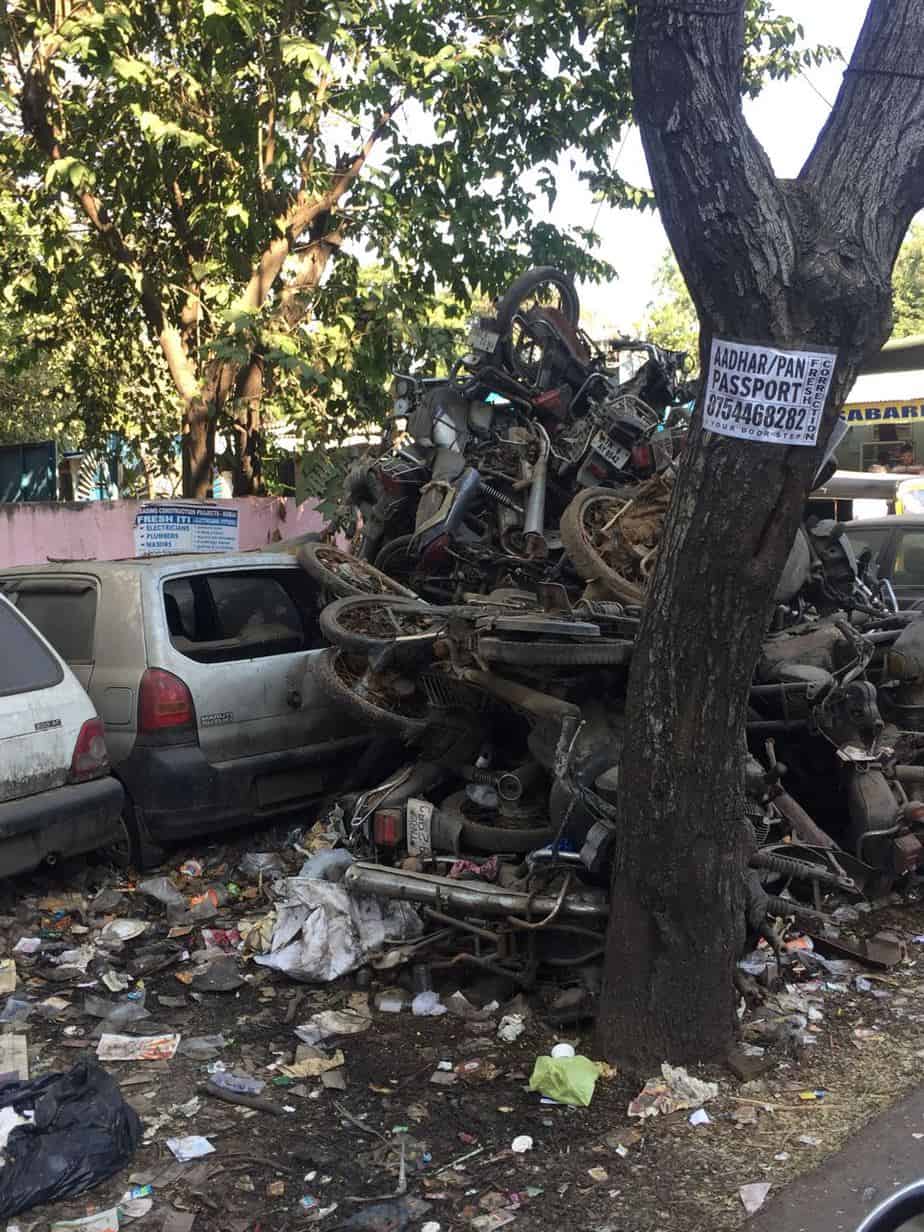
Confiscated vehicles by the Guindy police station lie dumped at the SIDCO industrial estate for years. The place has gradually become a hub for dumping institutional waste from Guindy police. Pic: Laasya Shekhar
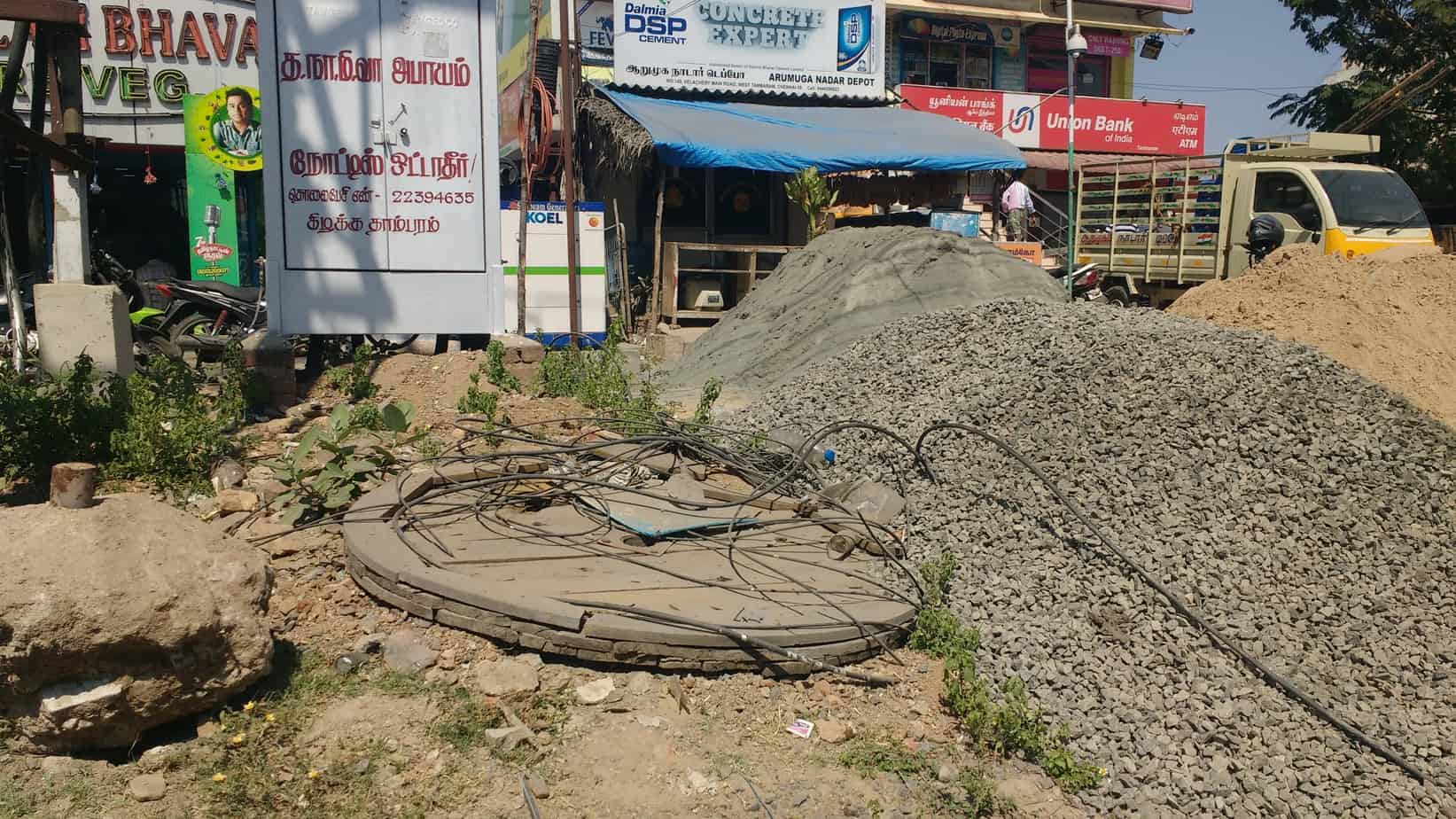
Discarded electric board cables lying loose on Tambaram – Velachery Main Road cause inconvenience to pedestrians. Pic: Bhavani Prabhakar
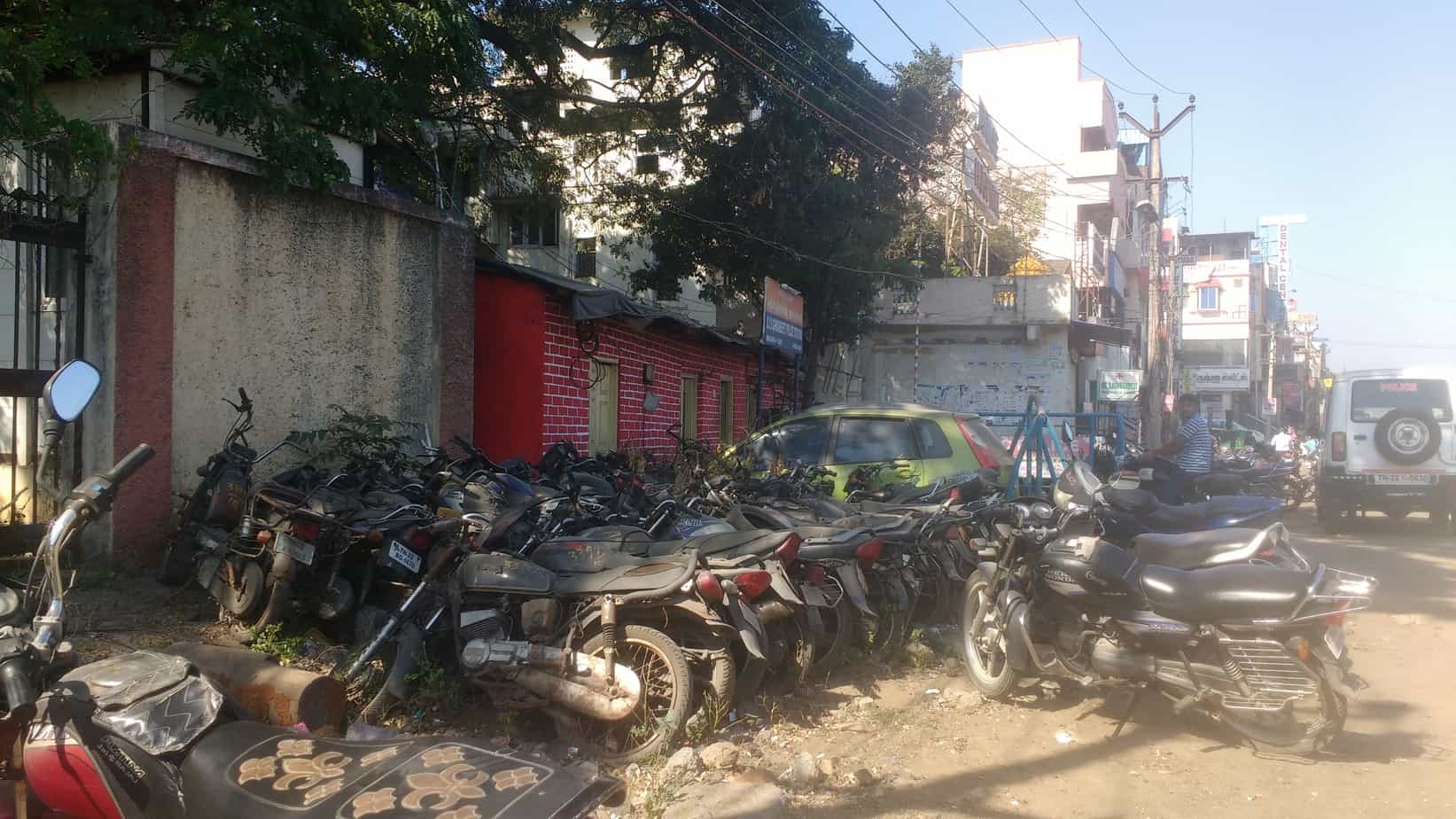
Seized motorcycle junk occupies a considerable amount of space at S13 Police Station in Chromepet. Pic: Bhavani Prabhakar
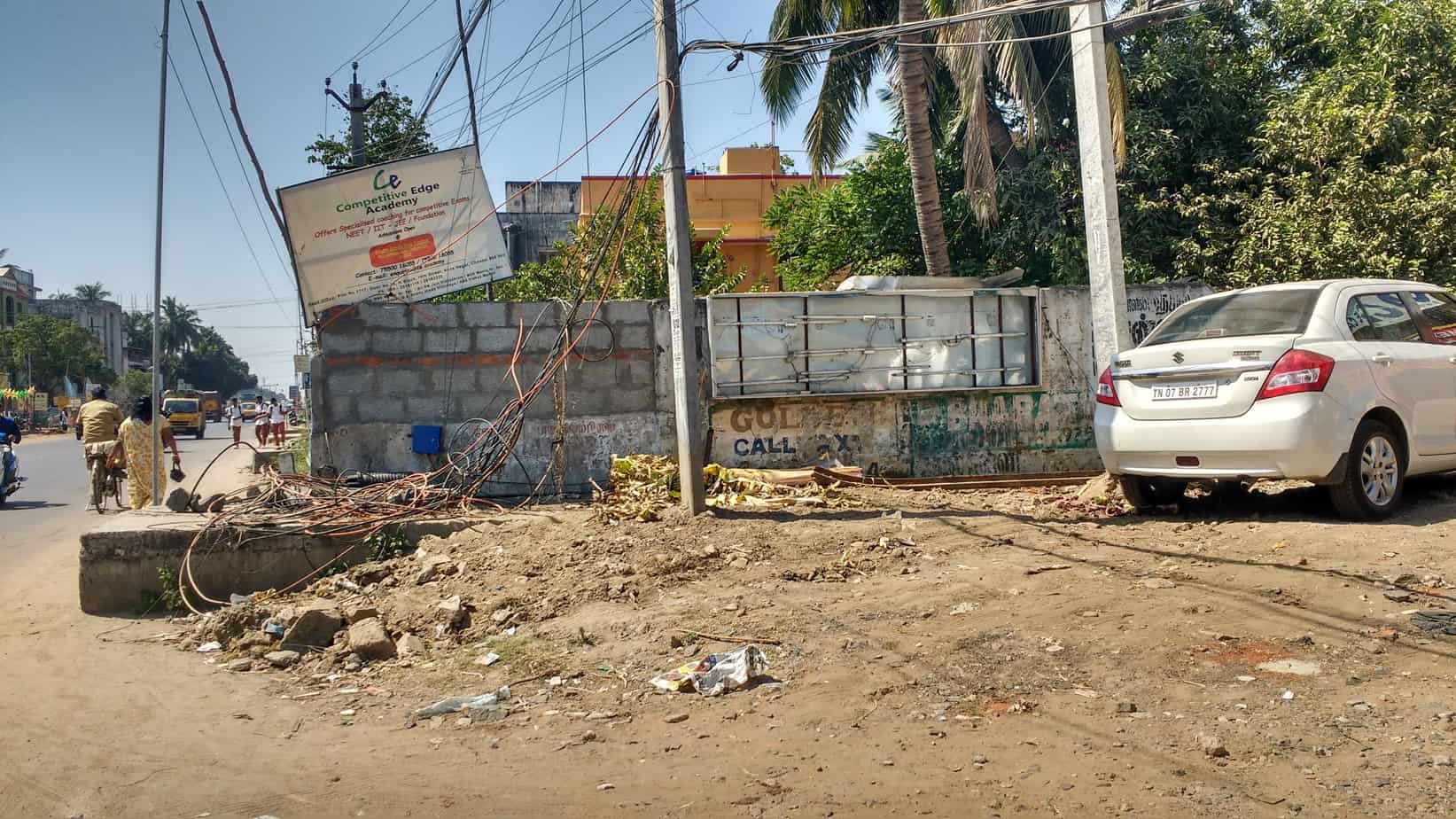
Live, tangled electricity board wires hang loose on the main road in East Tambaram, once again a major peril for pedestrians, especially during peak hours. Pic: Bhavani Prabhakar
Have you witnessed similar sights in your neighbourhood, of junk that should have been cleared by government departments or agencies but have just been left there for weeks or months? Have you tried to raise complaints with the respective authorities and received any response?
Write to us at chennai@citizenmatters.in about your experience.