Big challenge for Bengaluru’s Mayor

Every Mayor comes with an agenda to clean-up KR Market, yet it remains dirty.

Bangalore city has various famous landmarks. One of these landmarks is KR Market in Bangalore city also known as City Market. KR Market is Asia’s largest flower market and also is one of the largest areas in Bangalore which sells fresh produce.


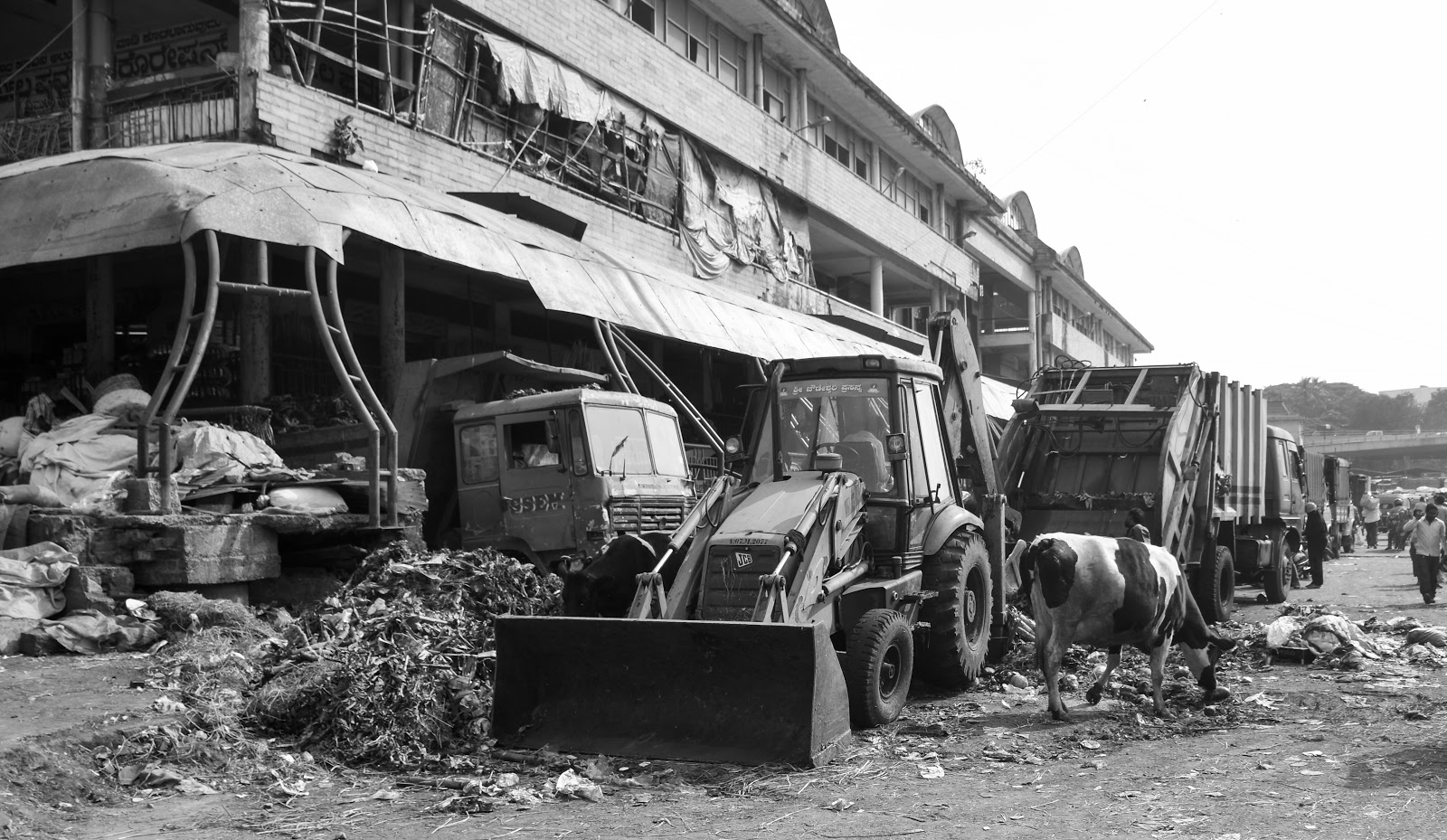
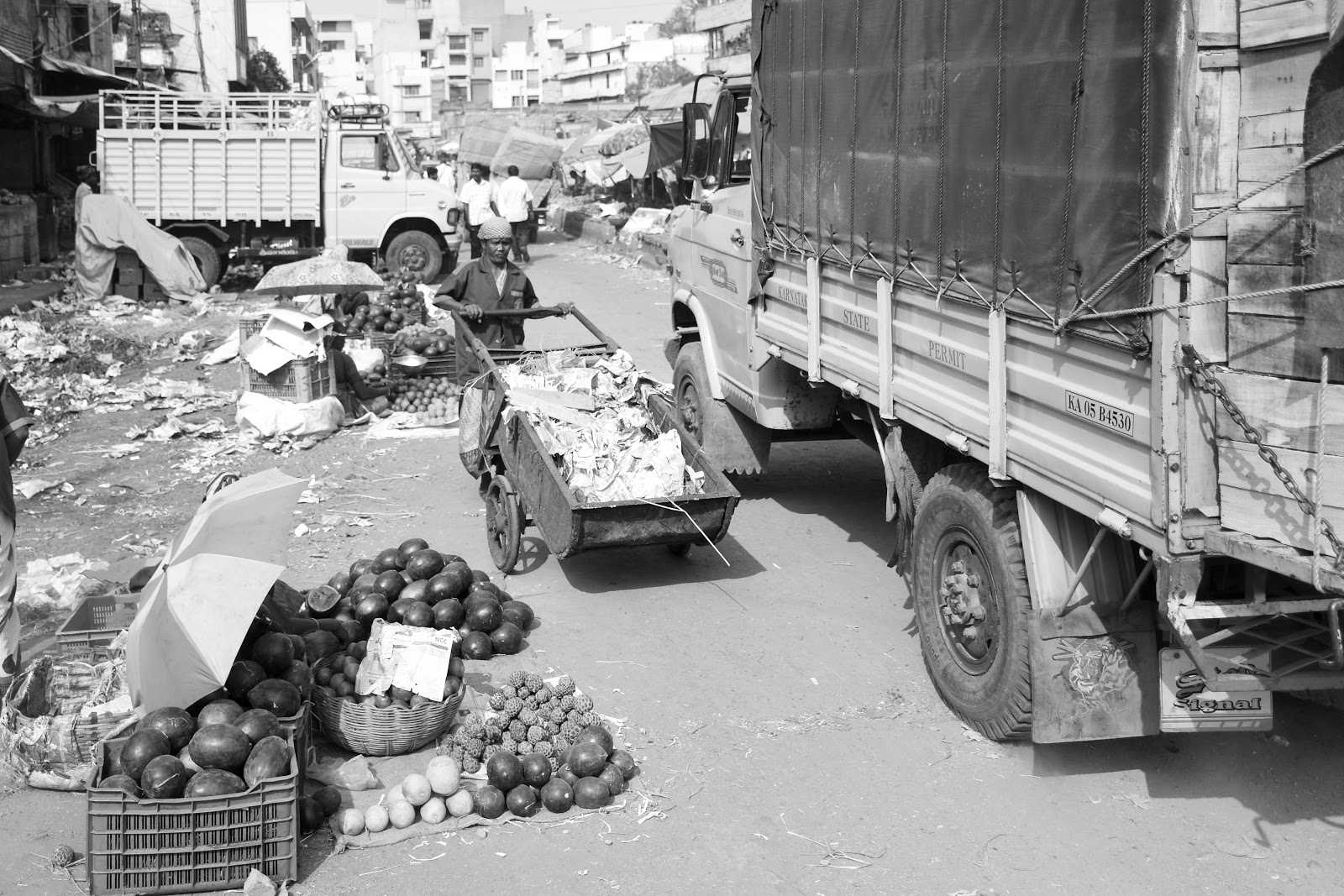
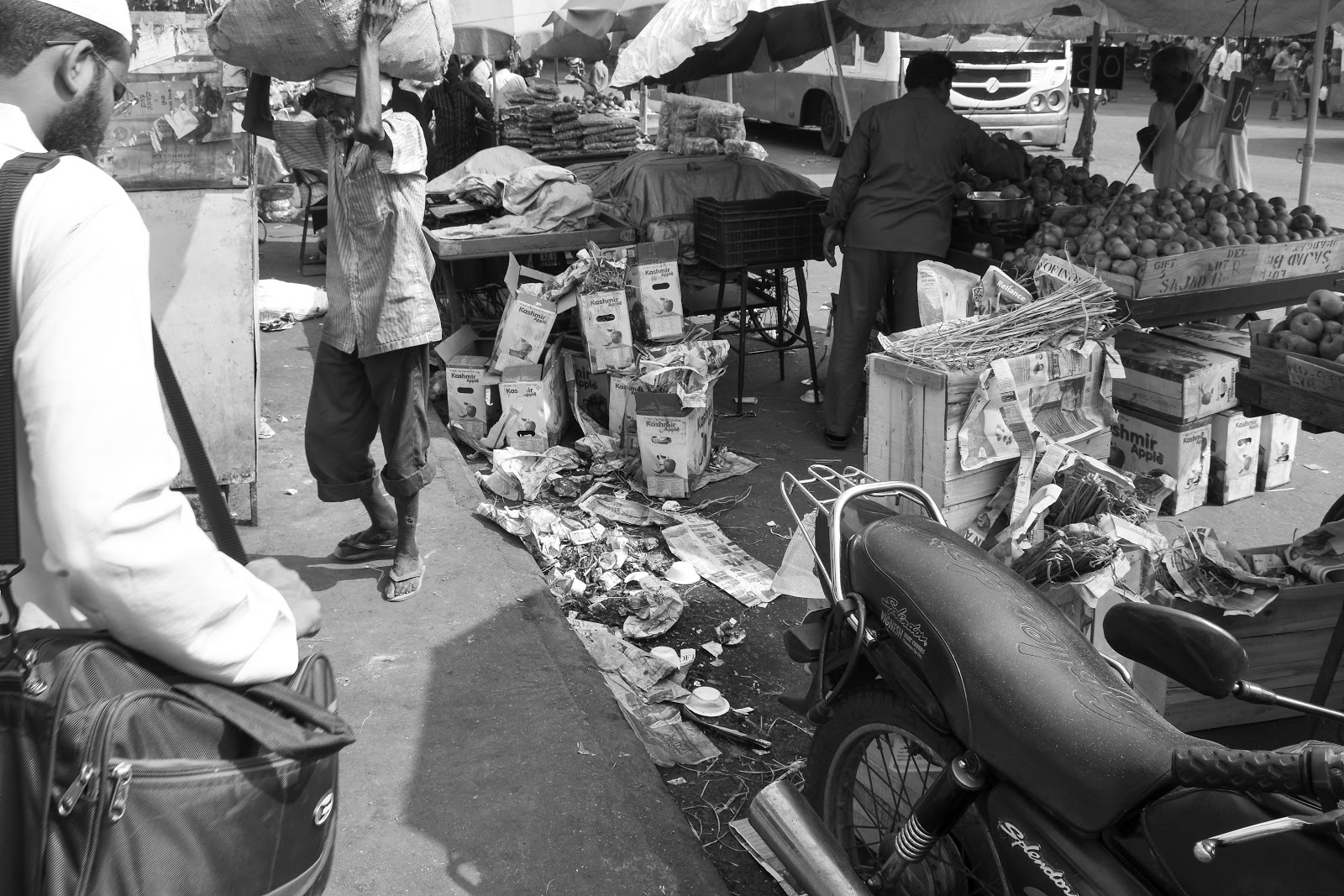
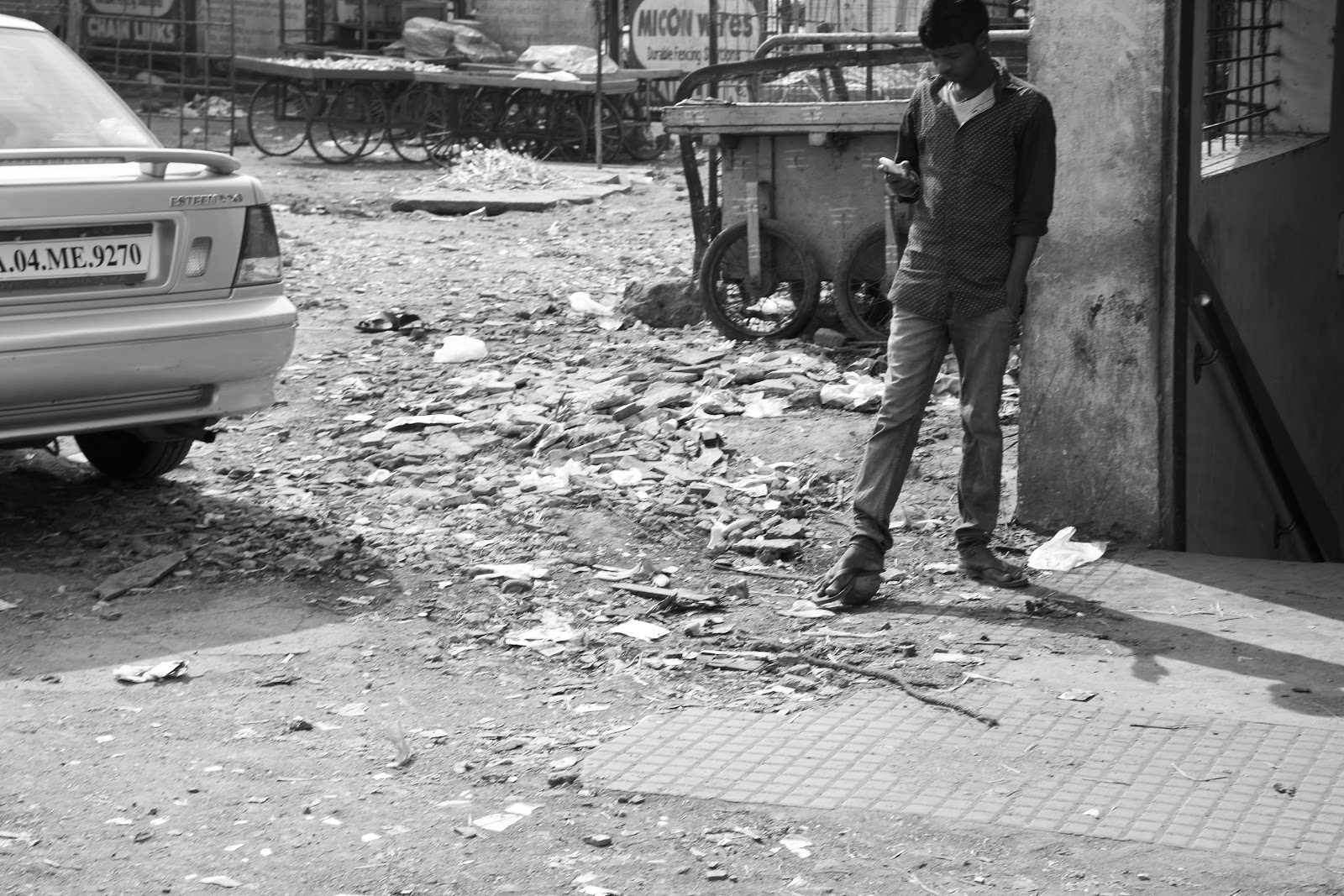
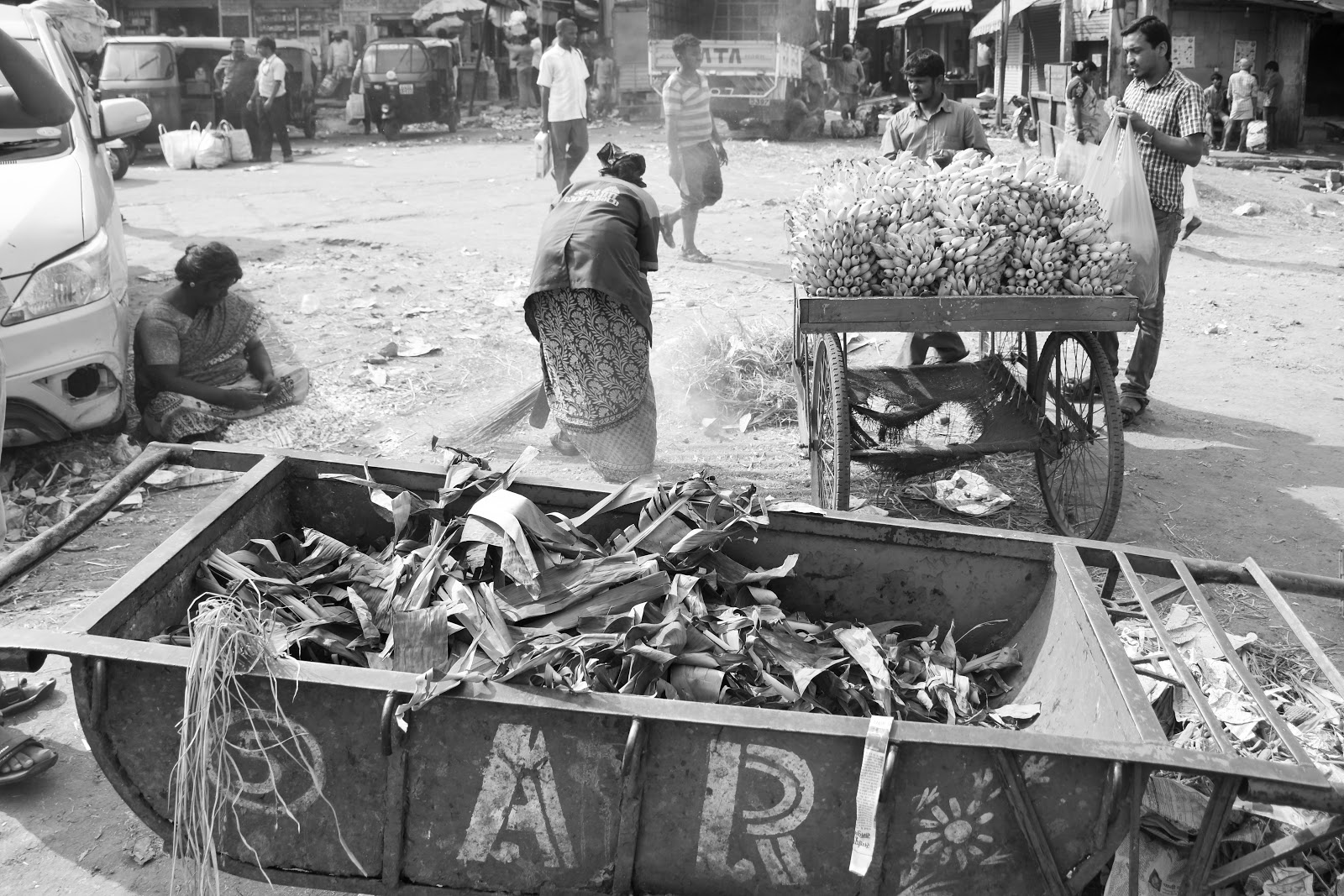
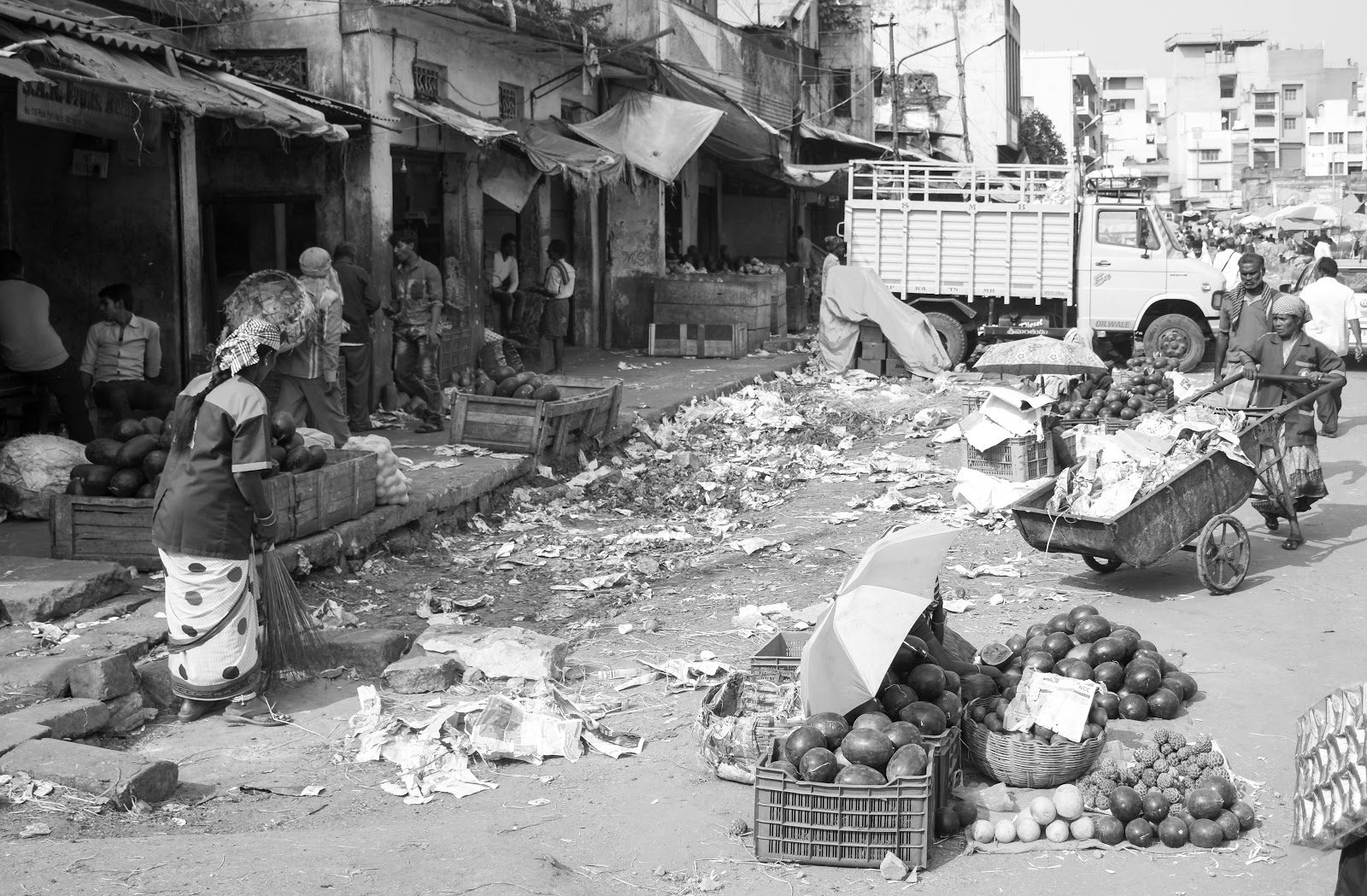
Every Mayor comes with an agenda to clean-up KR Market, yet it remains dirty. The main reason is there is no proper disposal of waste. Fruit and vegetable vendors throw rotten or reject produce onto the street or on top of existing heaps of garbage around their stalls. This garbage is then collected by pourakarmikas and is taken to a garbage trucks.
 

untitled-2887.jpg


untitled-2889.jpg

untitled-2991.jpg


untitled-2955.jpg


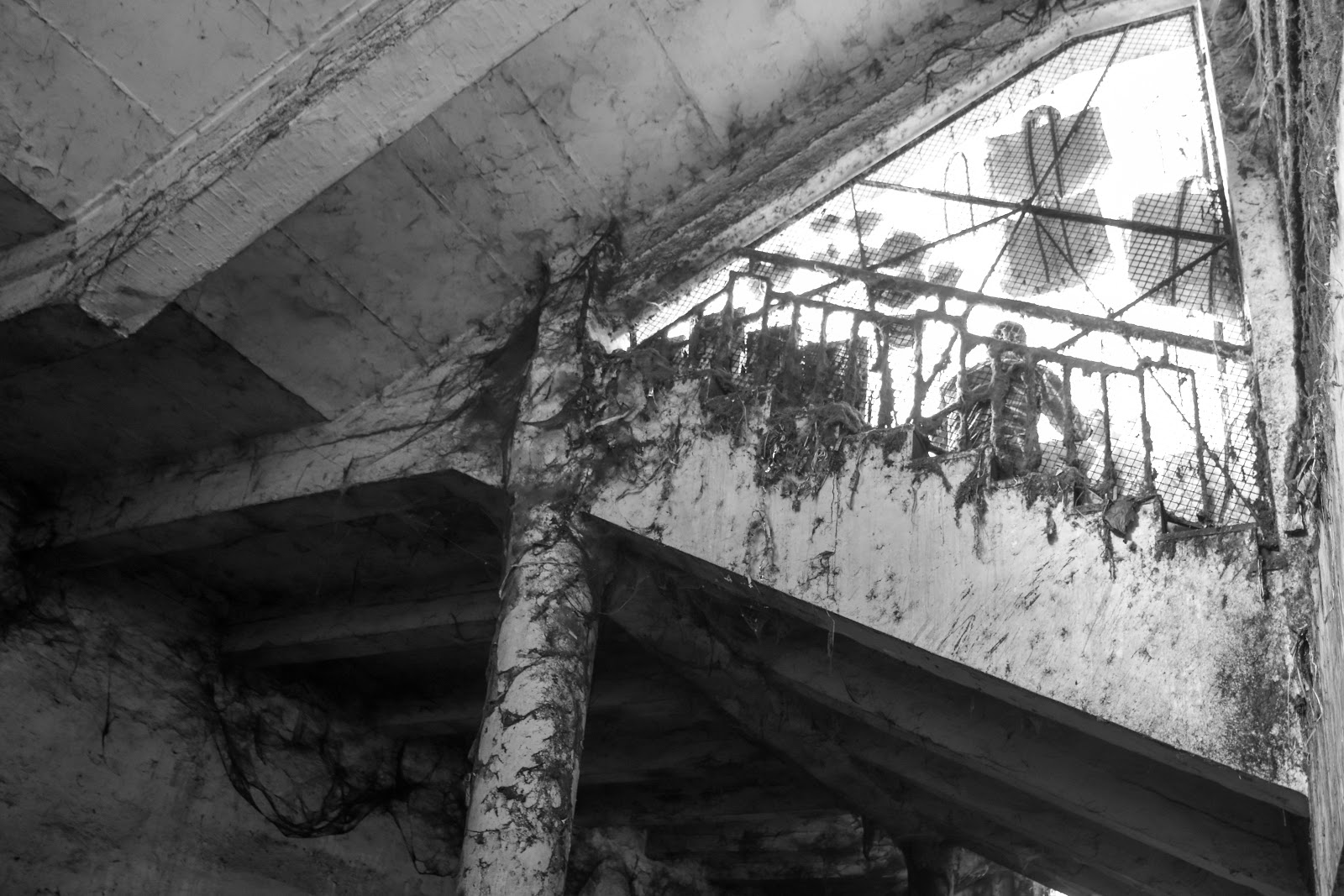
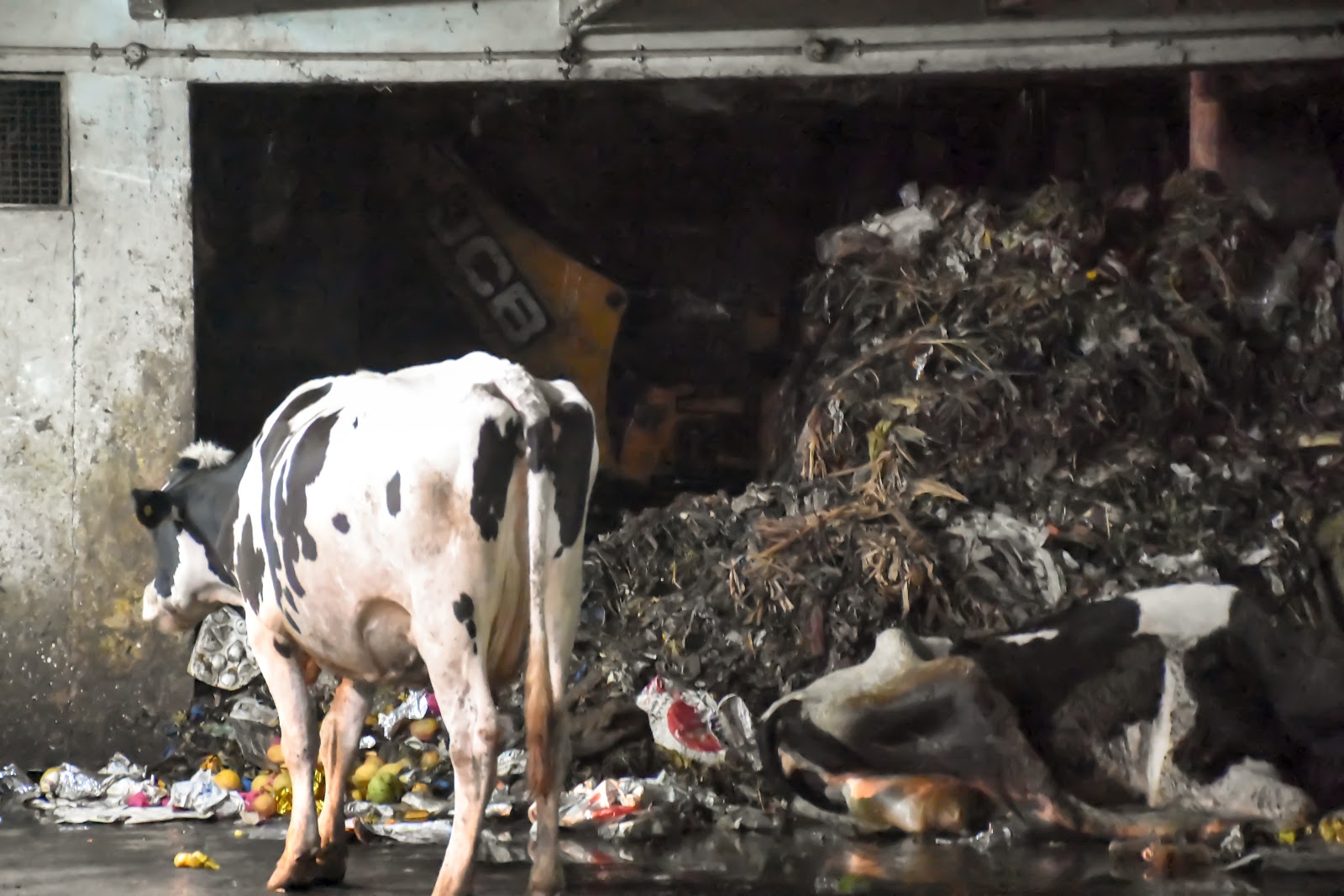
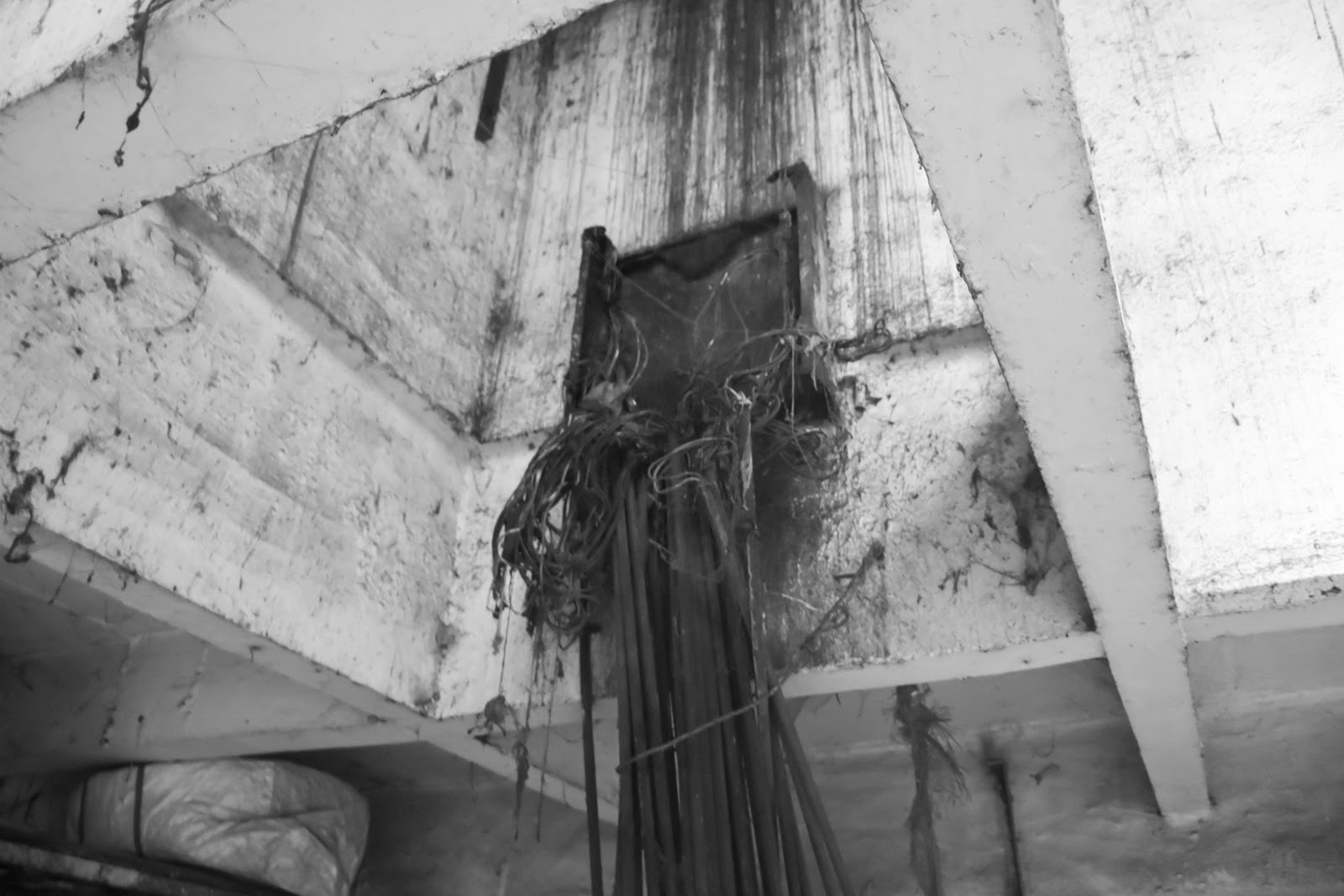
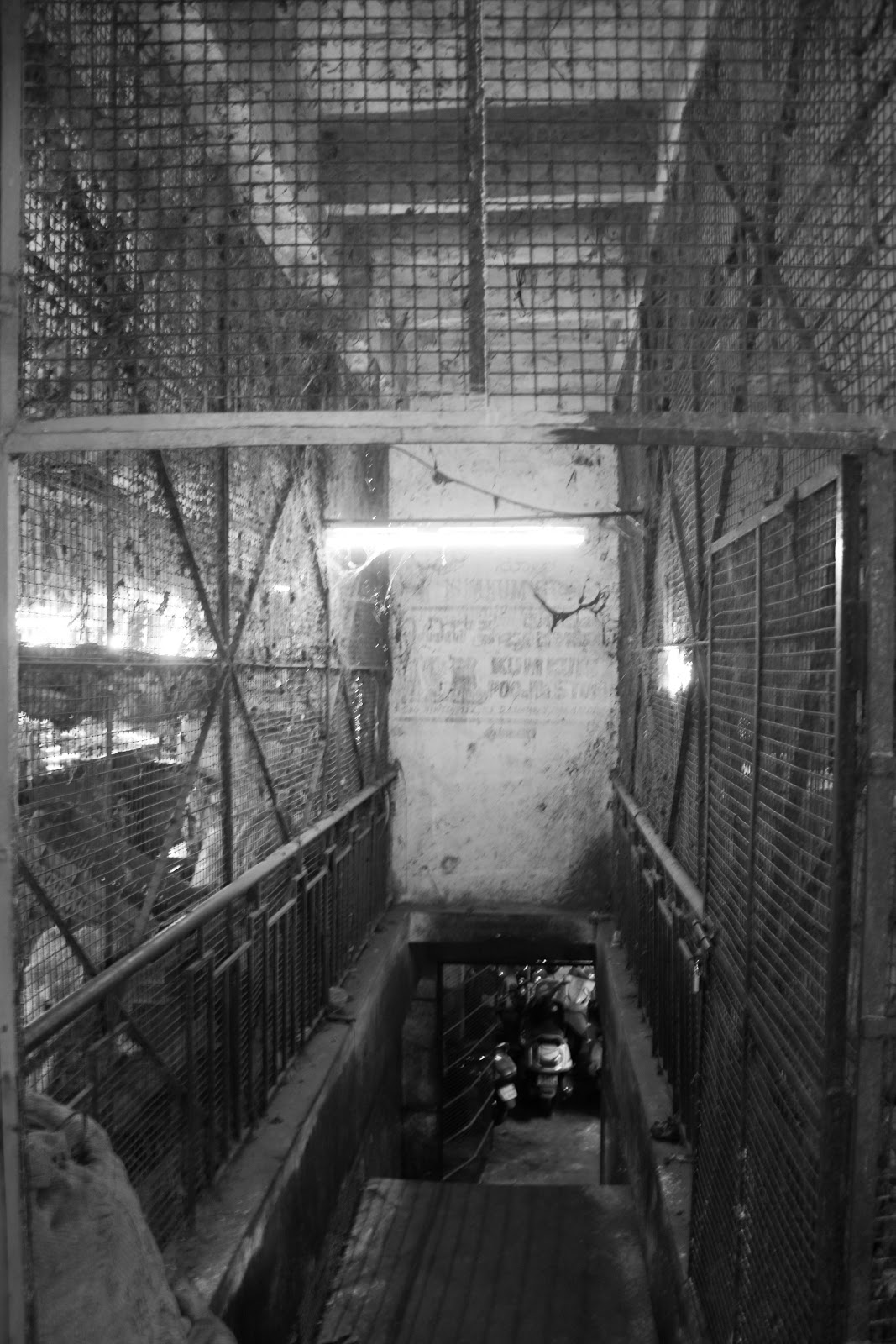
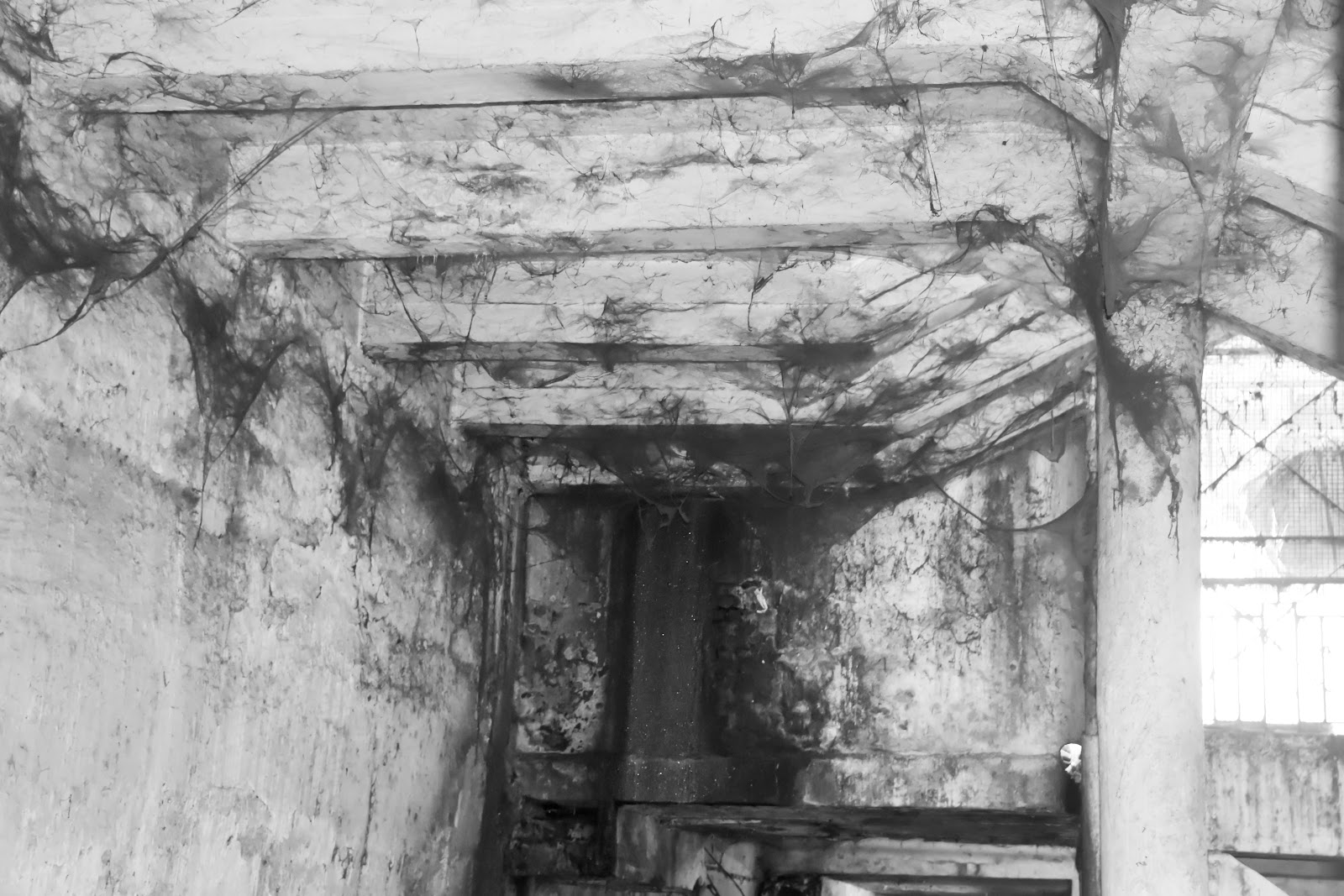
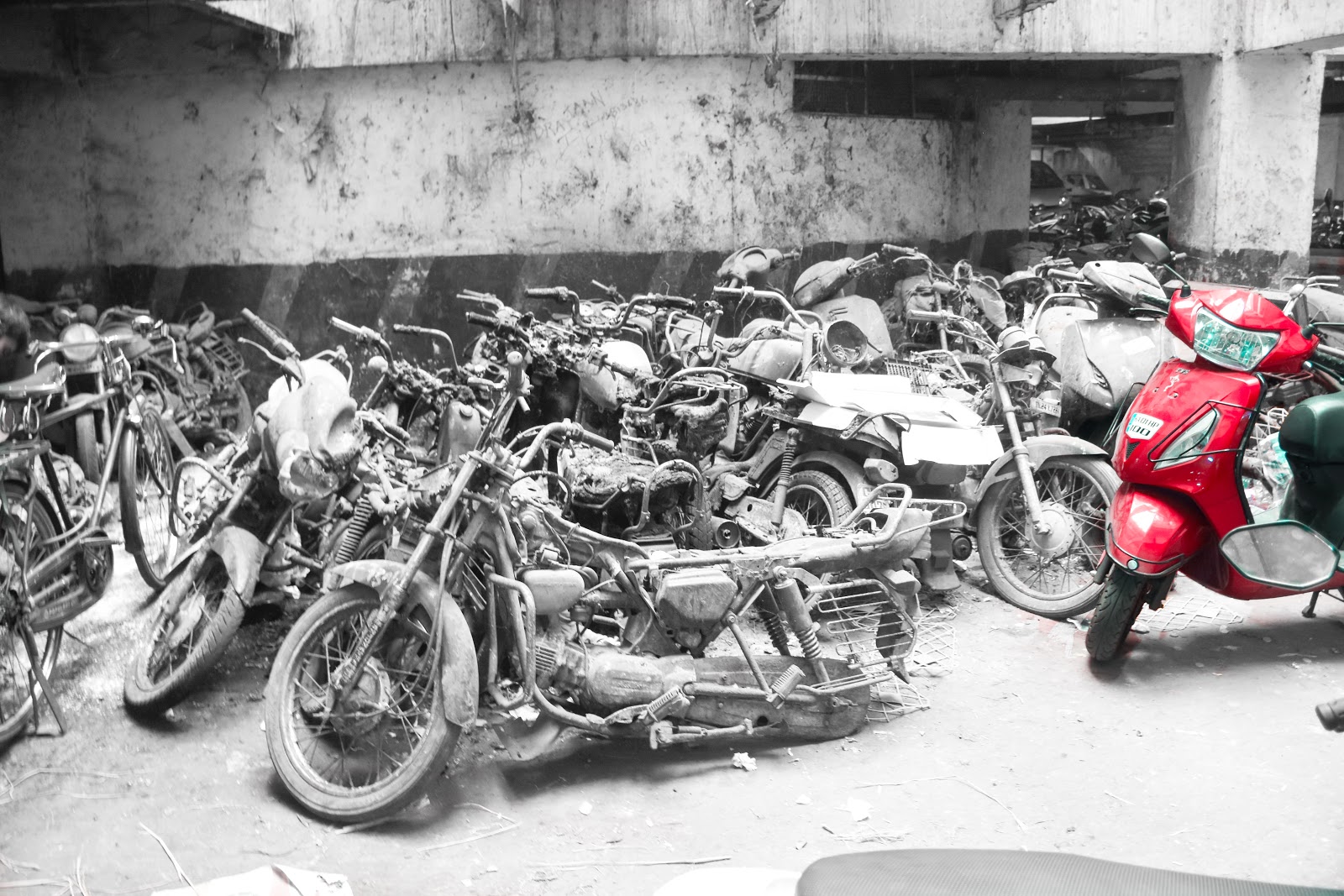
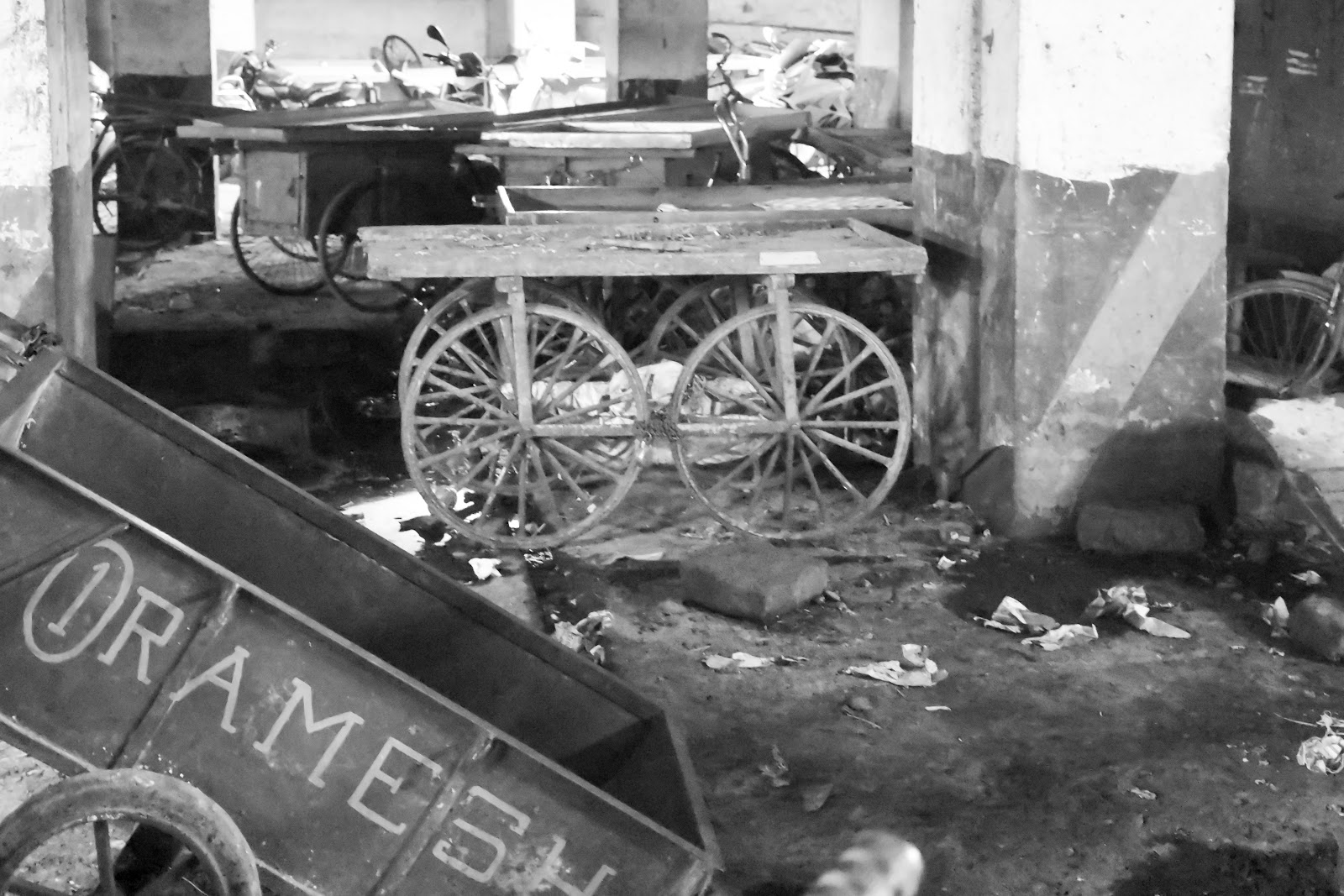
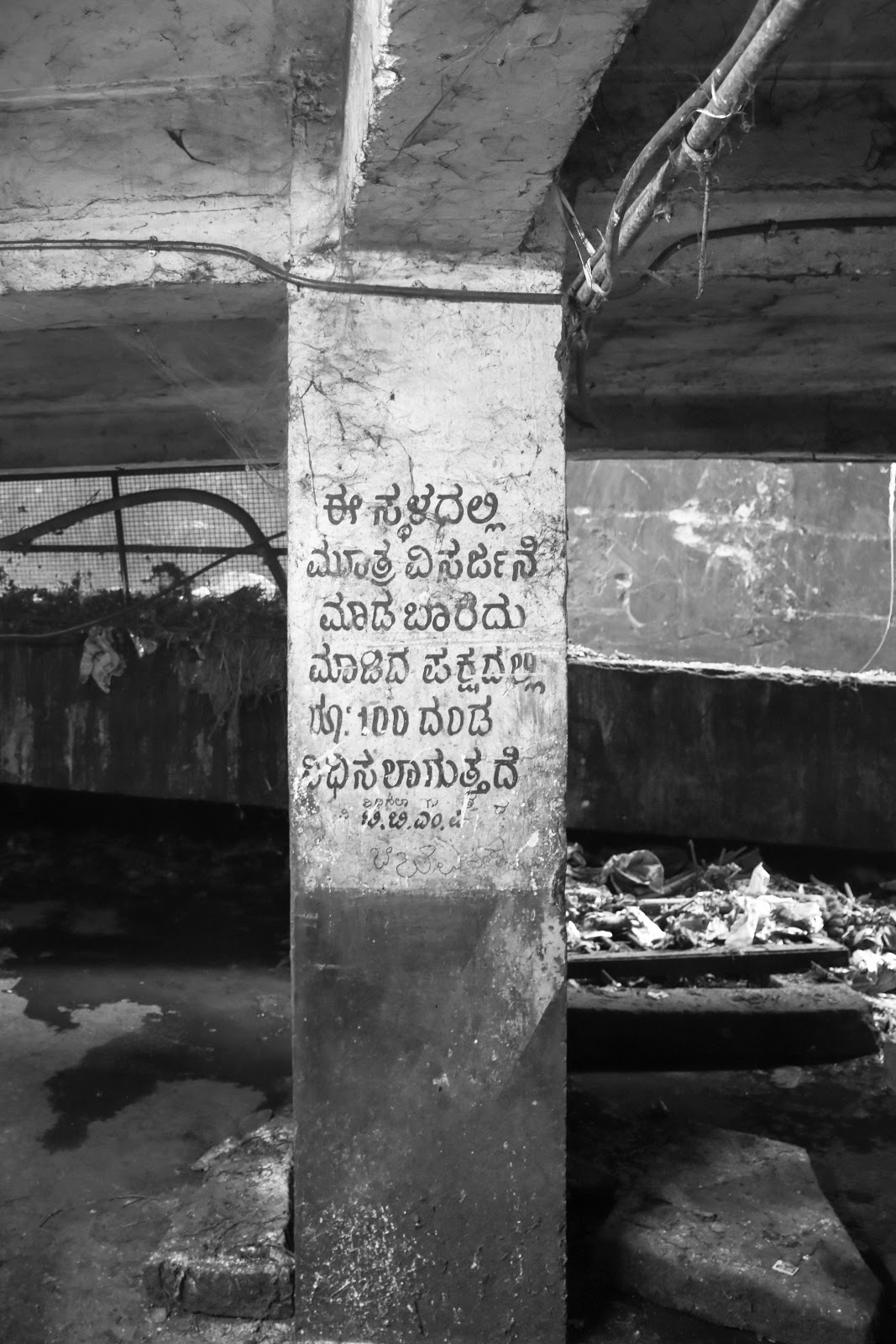
KR Market has a huge complex which sells flowers and vegetables in the lower ground floor, dry goods on the upper ground floor and tools and machine-tools accessories on the first floor. The complex also has an underground basement parking which is in dire need of maintenance. The underground parking is dimly lit and it has an ubiquitous unpleasant aroma which fills the air. The underground parking sports a huge collection of abandoned vehicles, carts, garbage trucks and rickshaws. Amongst all this, we find heaps of rotting garbage and cattle.
 

untitled-2956.jpg

untitled-2934.jpg

untitled-2930.jpg


untitled-2912-2.jpg


Rejected produce being scooped out using a JCB at KR Market underground parking.
 

untitled-2943-2.jpg

Abandoned two wheelers at KR Market underground parking


untitled-2925.jpg

Abandoned four wheelers at KR Market underground parking
 

untitled-2936.jpg

Abandoned carts at KR Market underground parking
 

untitled-2921.jpg

untitled-2948-2.jpg


To tackle the ubiquitous problem of garbage disposal there are few teams of people who continually sweep up and try to remove heaps of garbage from KR Market, but their job is never done.
untitled-2969.jpg

untitled-2978-2.jpg

untitled-2979.jpg


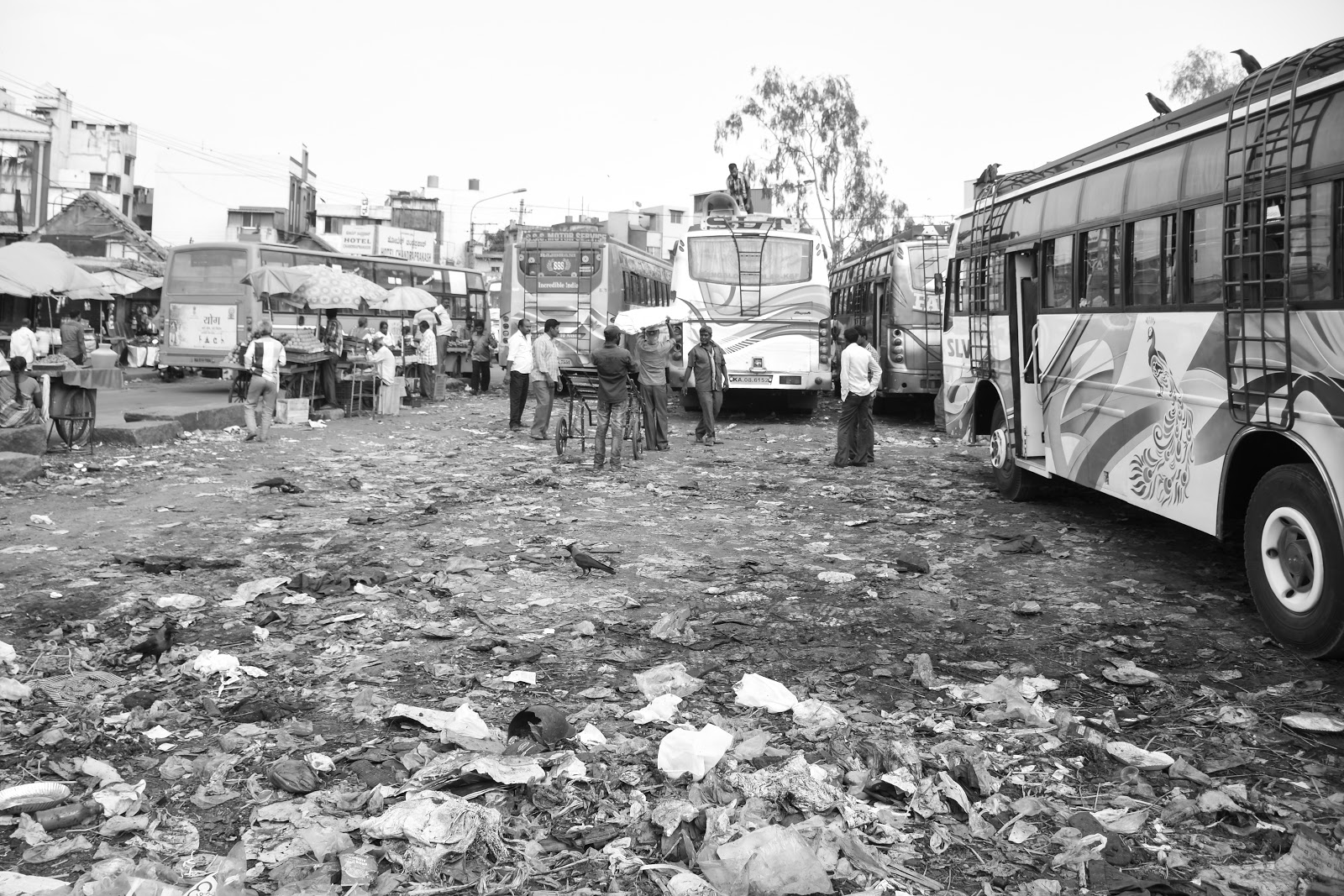
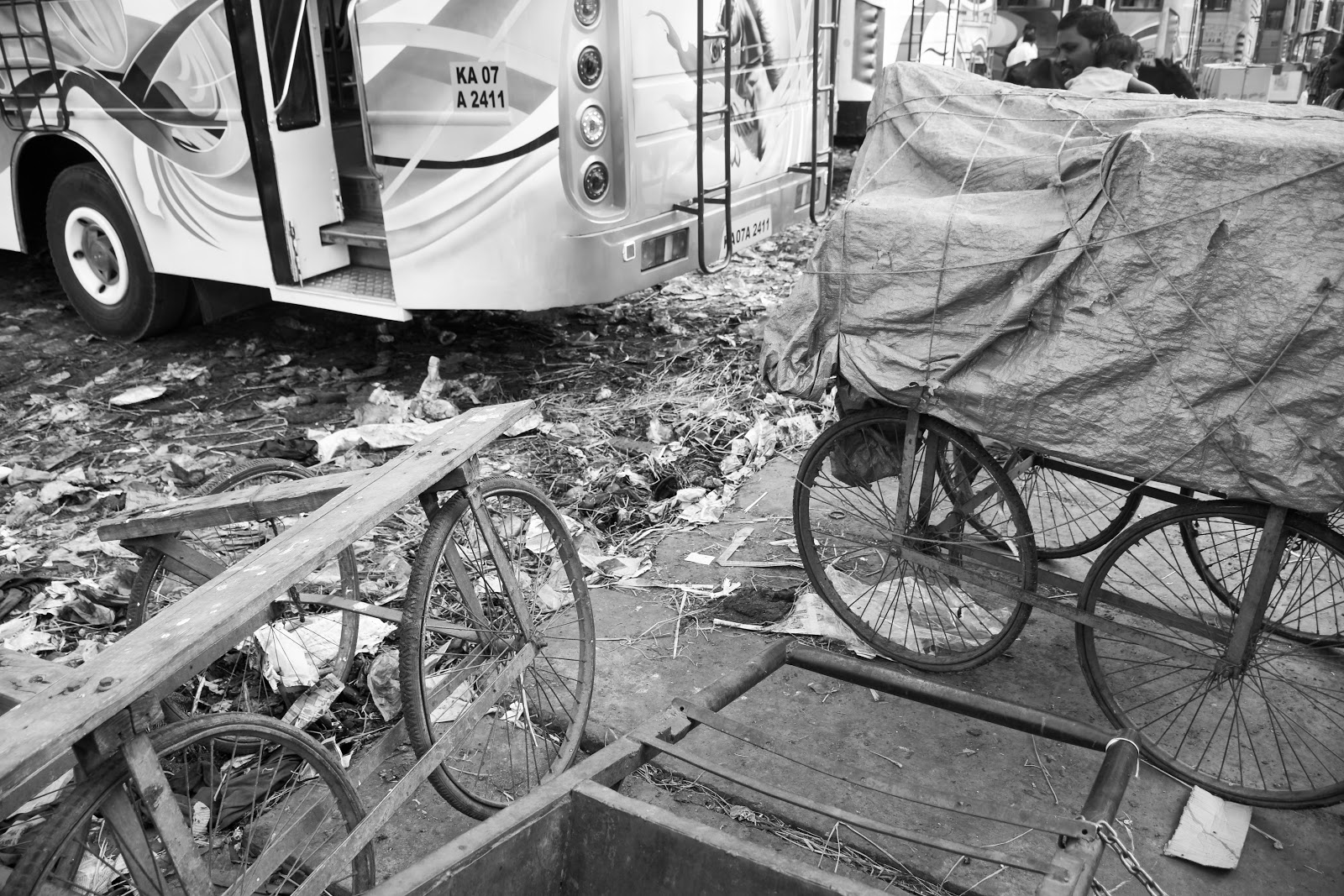
KR Market bus stand is an important connectivity hub where buses from all parts of the state including the rural parts of Bangalore. This too is filled with garbage and refuse.
 

untitled-3056.jpg

untitled-3053.jpg

untitled-3062.jpg

Leave a Reply

Your email address will not be published. Required fields are marked *

Similar Story

Beyond the parks and gardens, Bengaluru’s ‘wasteland’ ecosystems call for protection

Open Natural Ecosystems in Bengaluru harbour rich biodiversity. Take a look at what they hold and what we risk losing to unchecked development.

When we discuss urban nature, we often forget about real natural habitats. In Bengaluru, widely called the Garden City, most talks about urban nature focus on landscaped parks, roadside trees, and manicured gardens; in other words, artificial ecosystems designed for looks and human comfort. As lay citizens, we usually notice only such nature as we see around our homes, workplaces or other areas we generally pass by. While these places do have some ecological value, they mostly support a few highly adaptable species. This has strong negative implications for native flora and fauna that depend on open scrublands, grasslands, rocky…

Similar Story

The wild in the city: What citizen scientists tell us about Bengaluru’s biodiversity

Spatial and temporal biodiversity patterns, as observed by citizen scientists in the city during 2016-2025, were studied at a datajam in December 2025.

Imagine you’re out on a morning walk, phone in hand, when you spot a butterfly you’ve never seen before. You snap a photo, log it into a citizen science app, and voila! You’ve just contributed to crucial biodiversity monitoring. This isn’t just a hobby; it’s part of a global movement where ordinary people collect, record, and sometimes analyse data about plants, animals, and ecosystems. Citizen science stretches the reach of ecological research. Every observation adds to unique longitudinal datasets that reveal phenology — periodic events in the life cycle of a species — along with species distribution shifts and population…