Big challenge for Bengaluru’s Mayor

Every Mayor comes with an agenda to clean-up KR Market, yet it remains dirty.

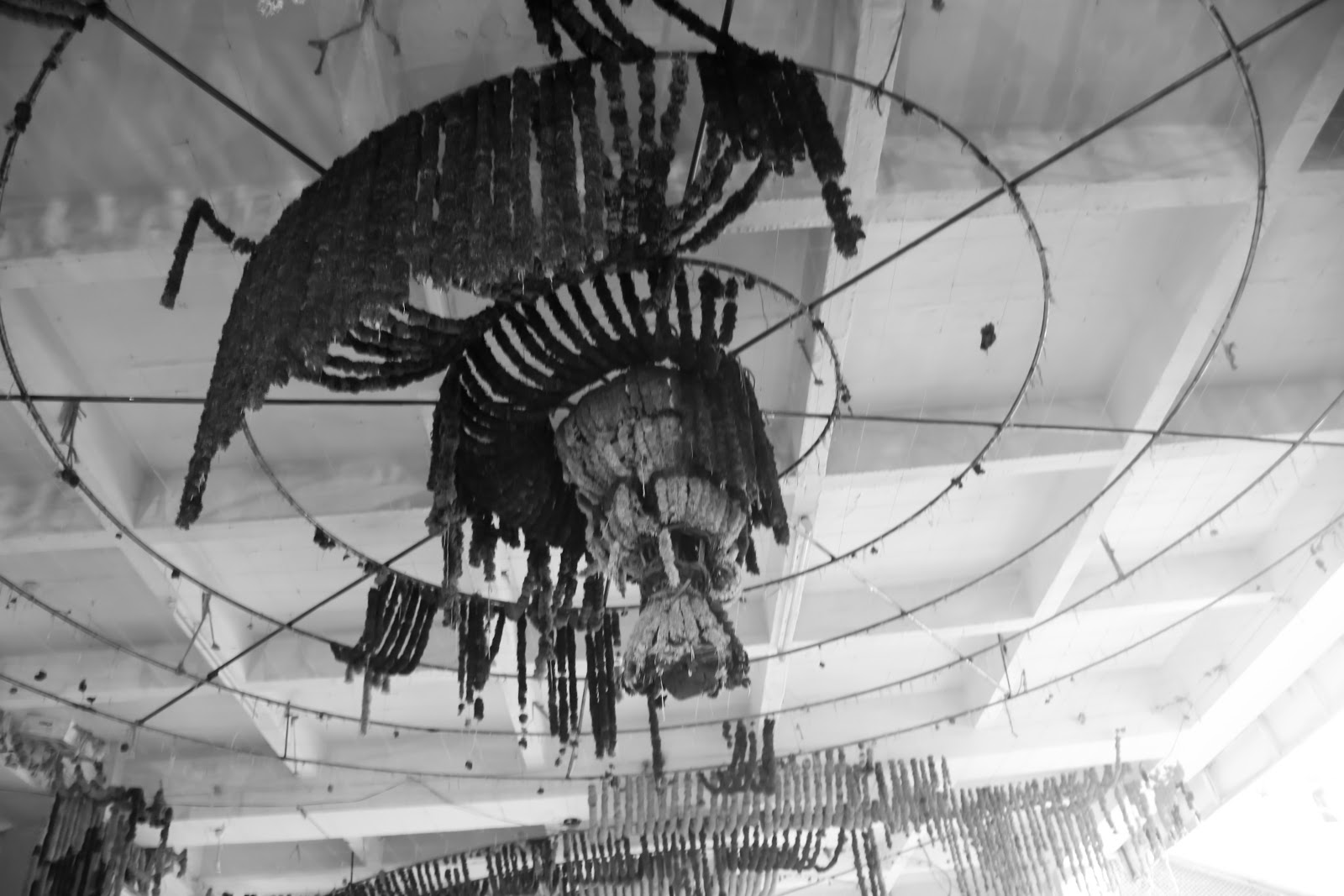
Bangalore city has various famous landmarks. One of these landmarks is KR Market in Bangalore city also known as City Market. KR Market is Asia’s largest flower market and also is one of the largest areas in Bangalore which sells fresh produce.


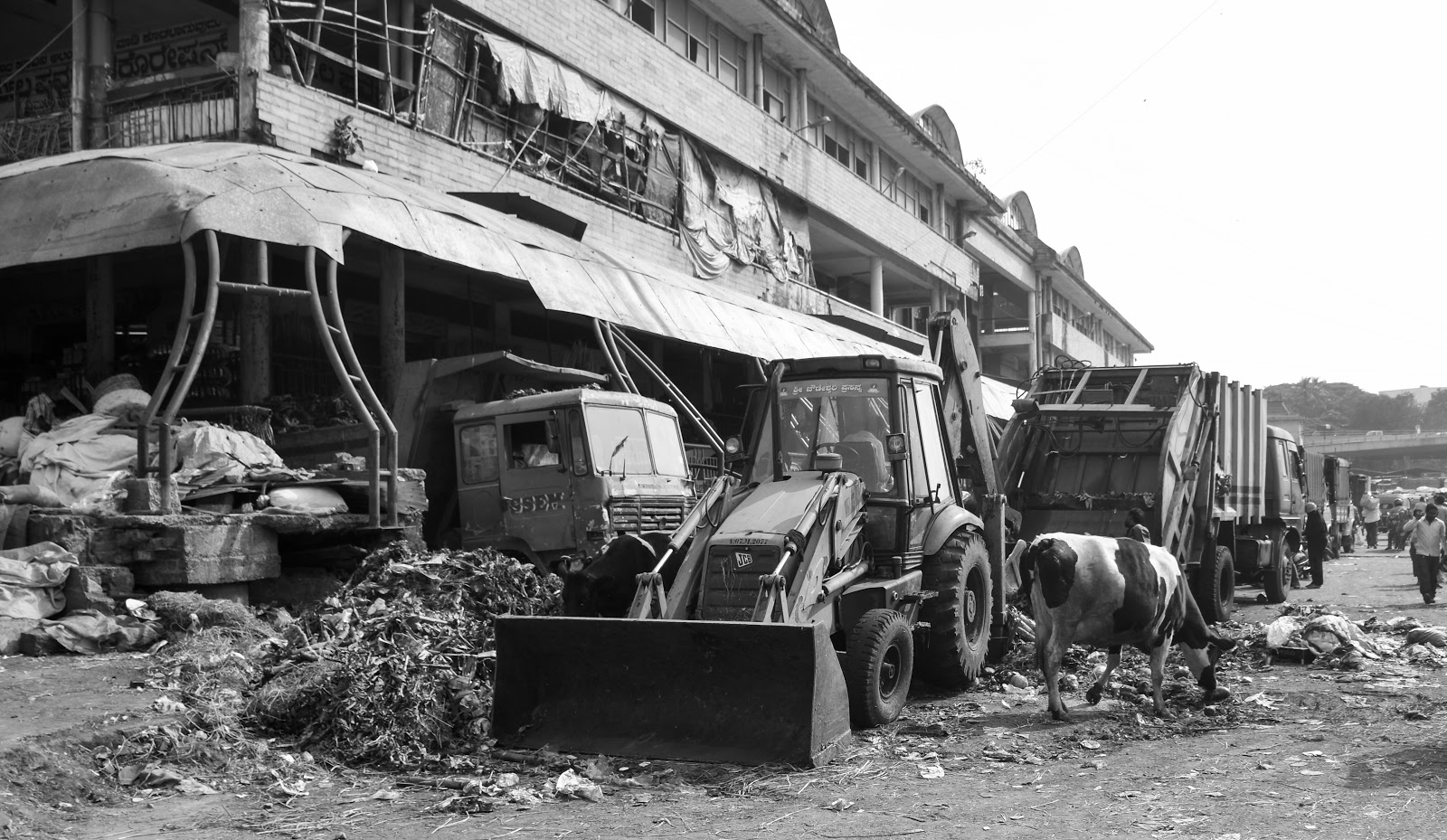
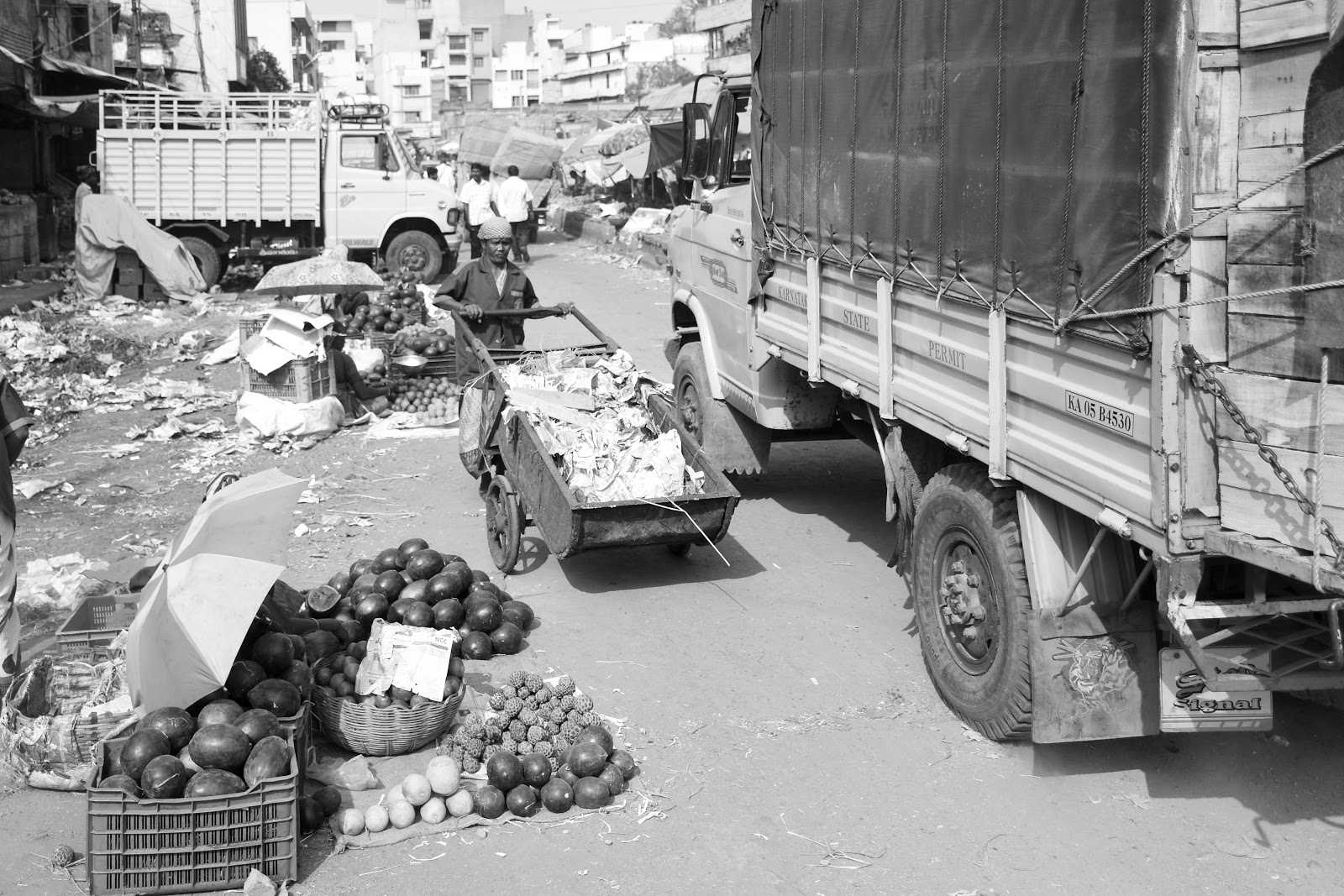
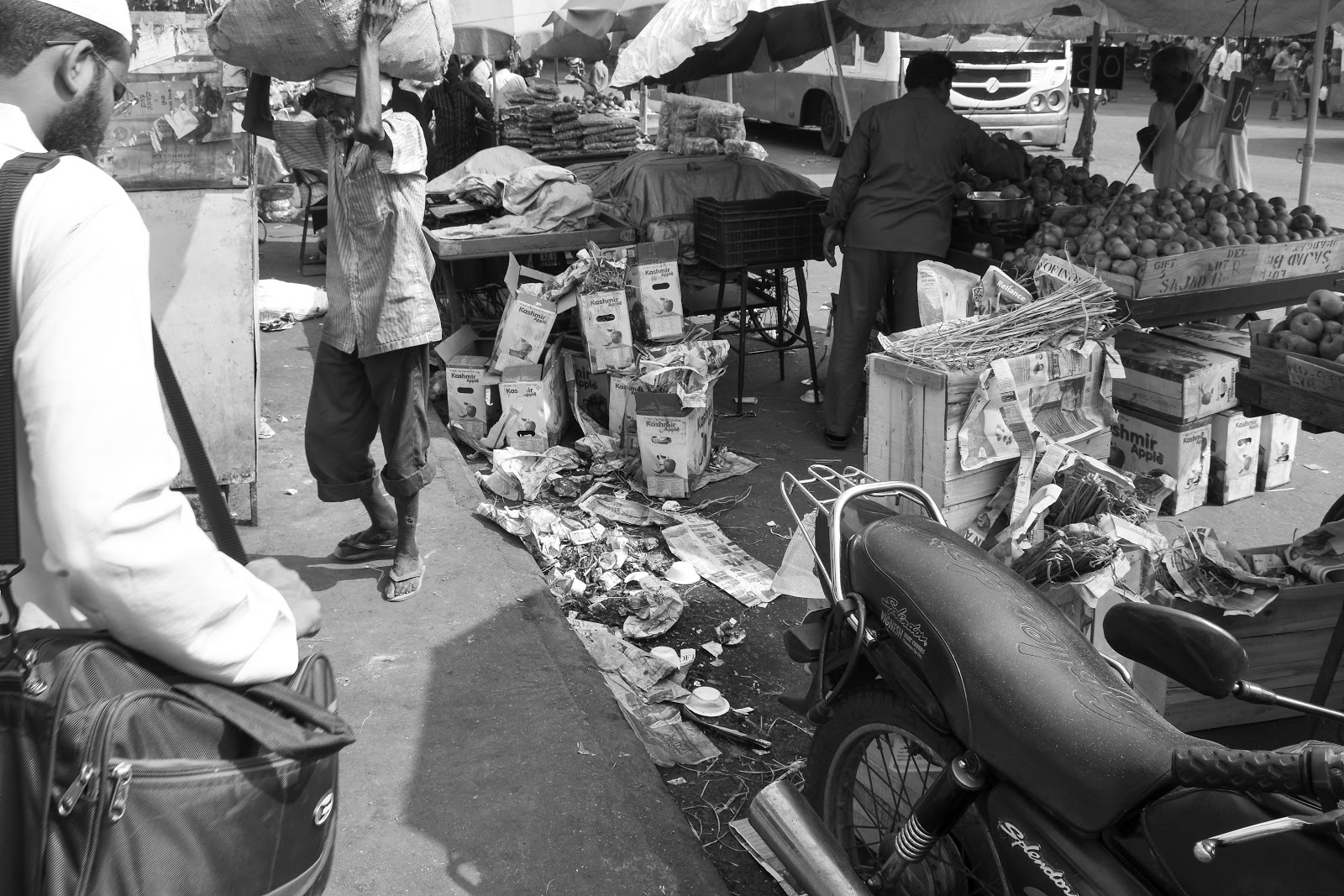
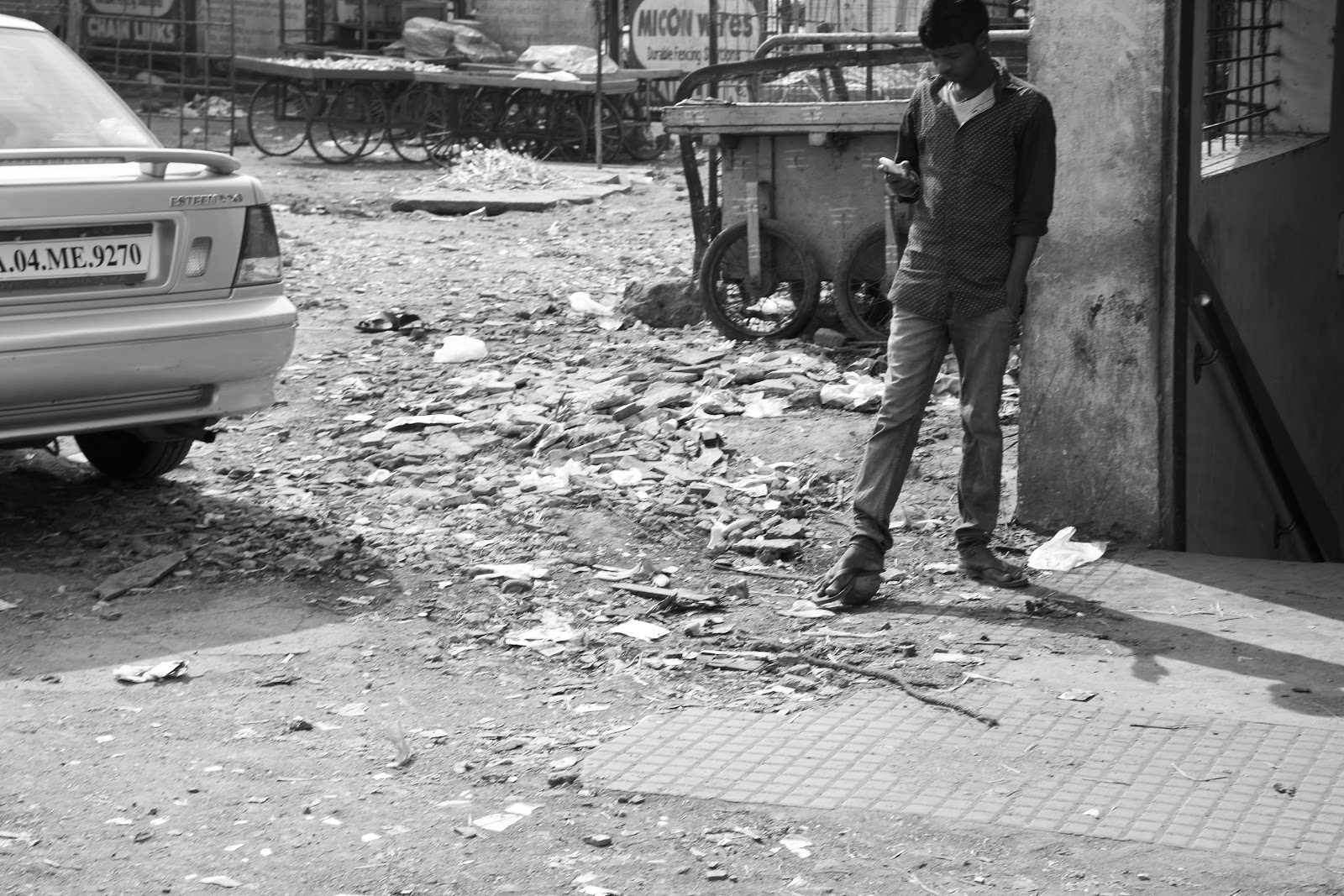
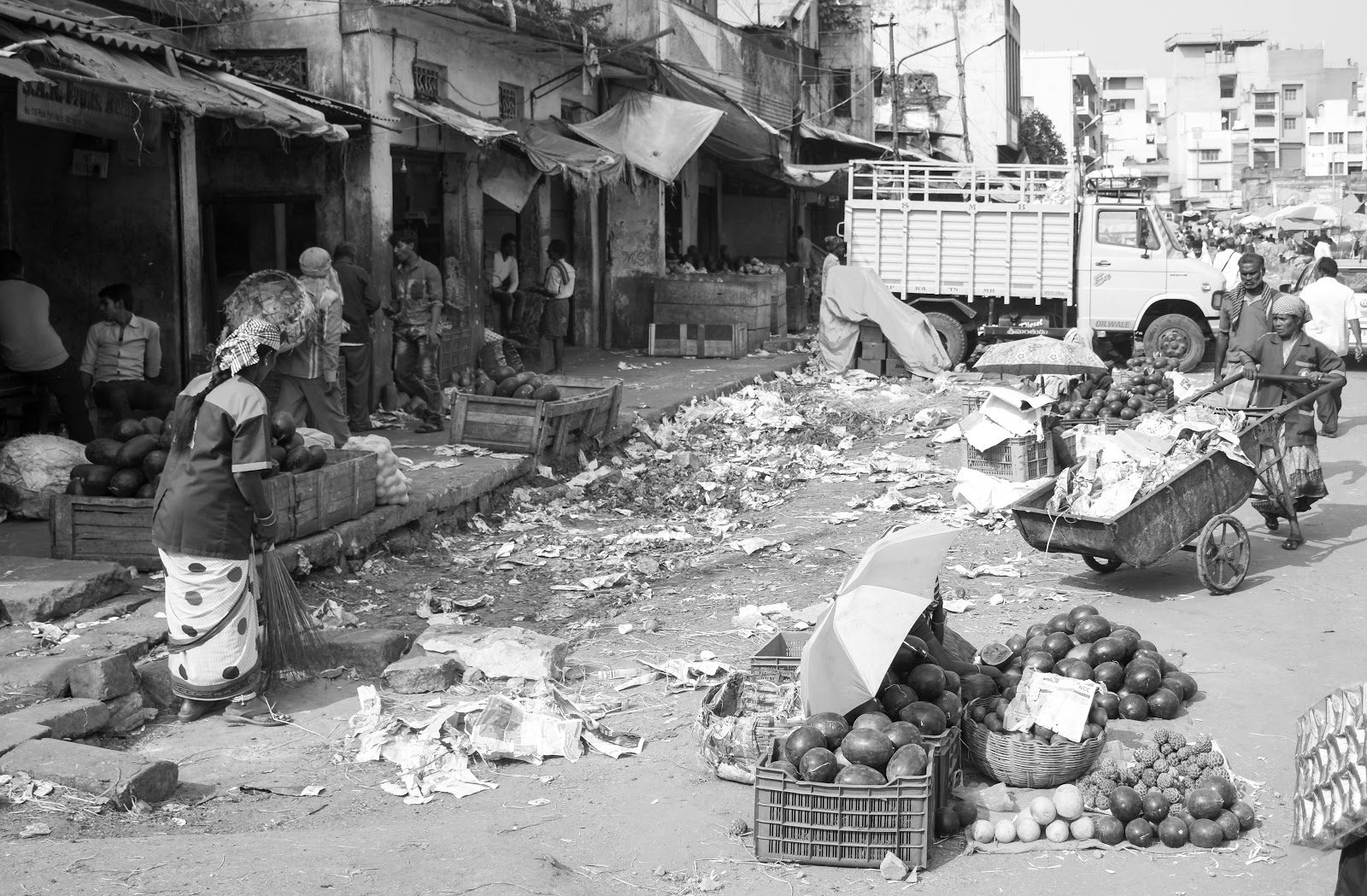
Every Mayor comes with an agenda to clean-up KR Market, yet it remains dirty. The main reason is there is no proper disposal of waste. Fruit and vegetable vendors throw rotten or reject produce onto the street or on top of existing heaps of garbage around their stalls. This garbage is then collected by pourakarmikas and is taken to a garbage trucks.
 

untitled-2887.jpg


untitled-2889.jpg

untitled-2991.jpg


untitled-2955.jpg


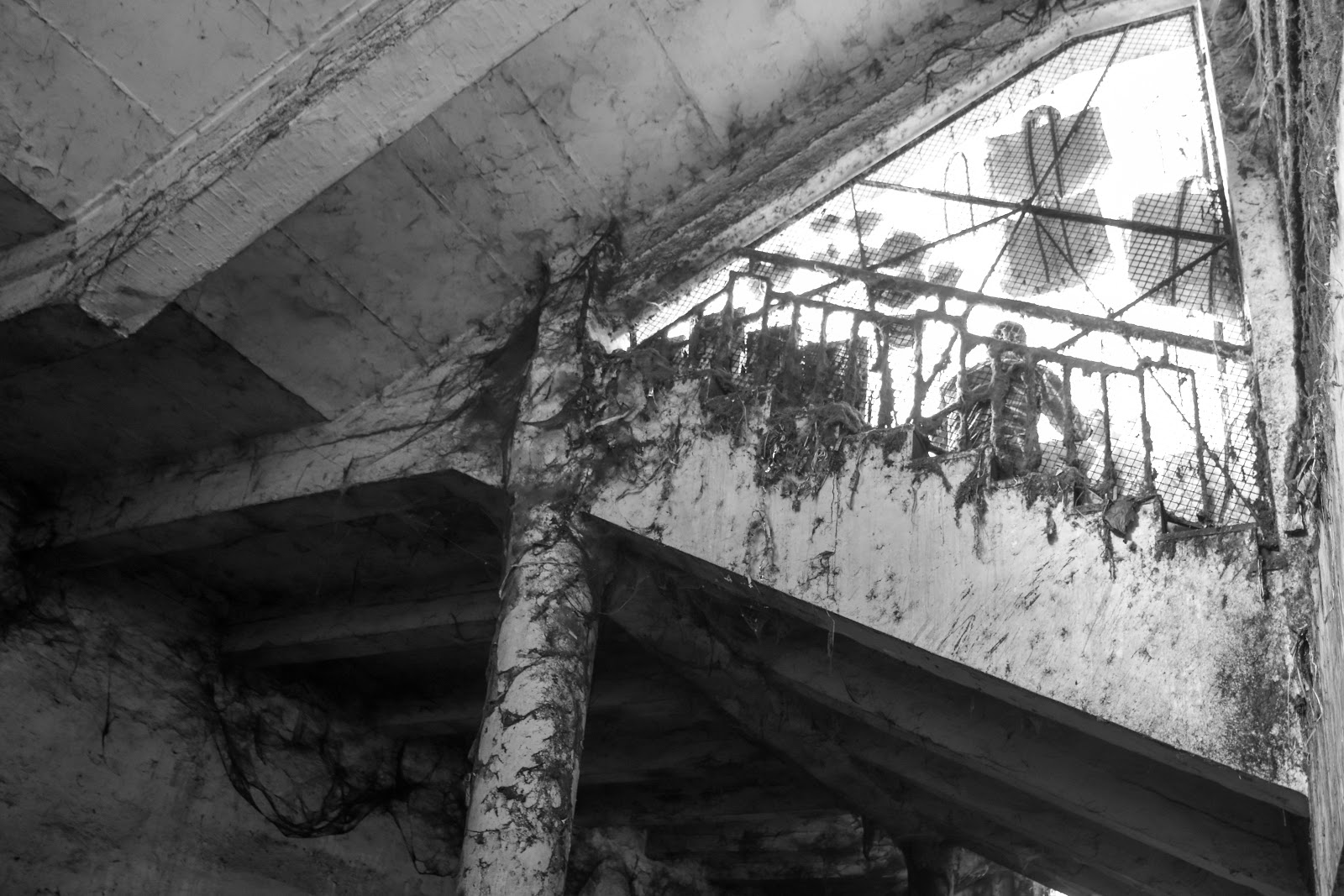
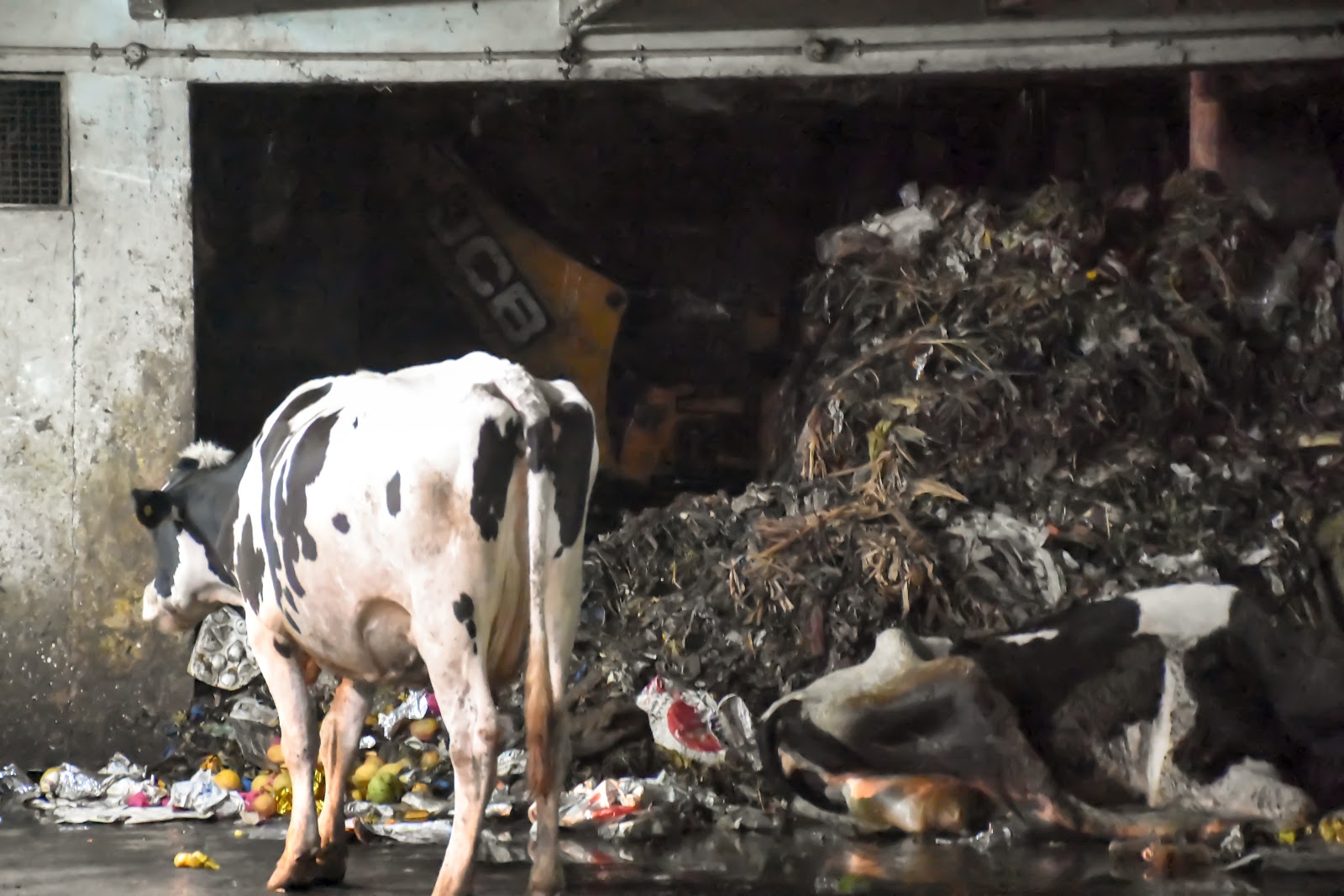
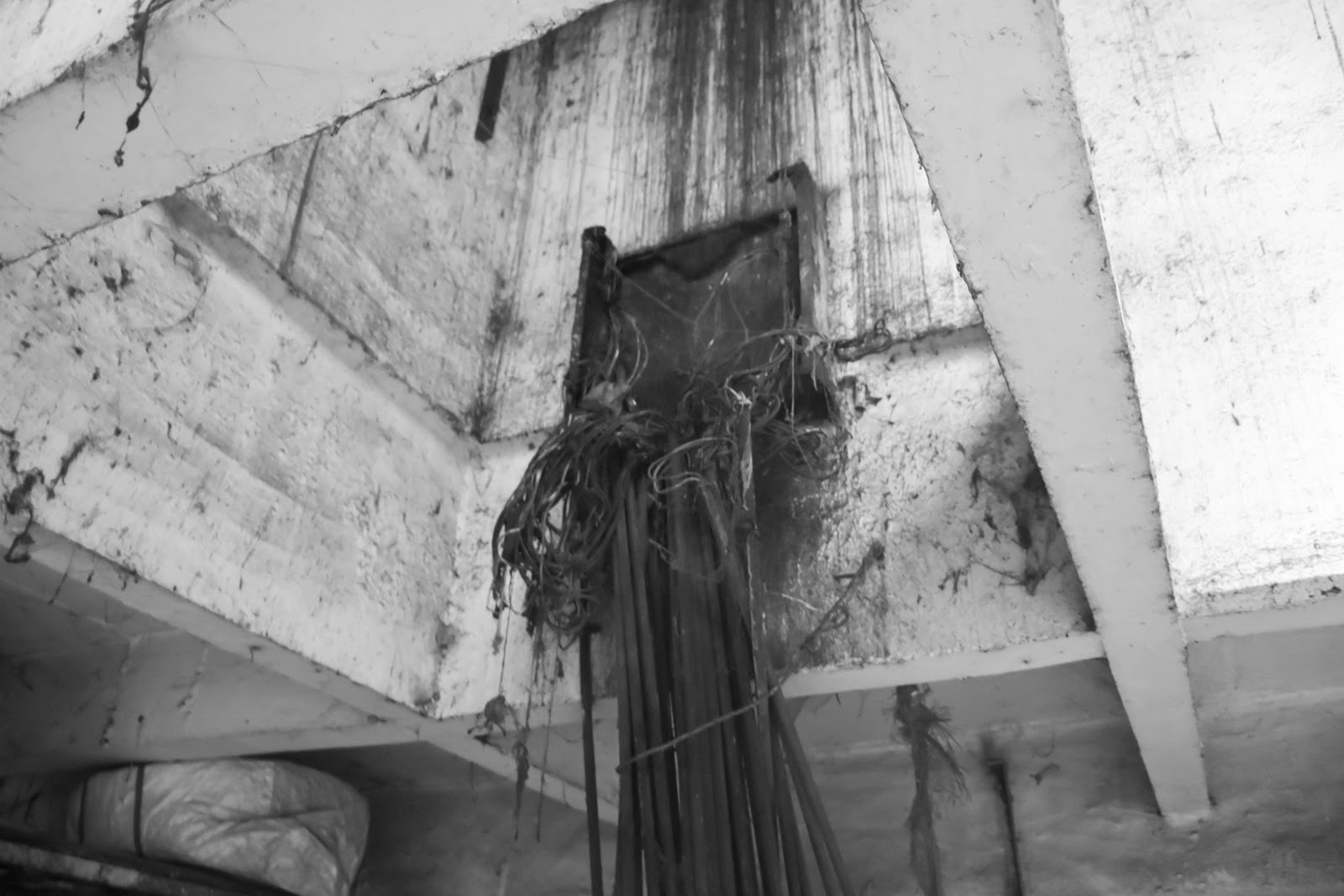
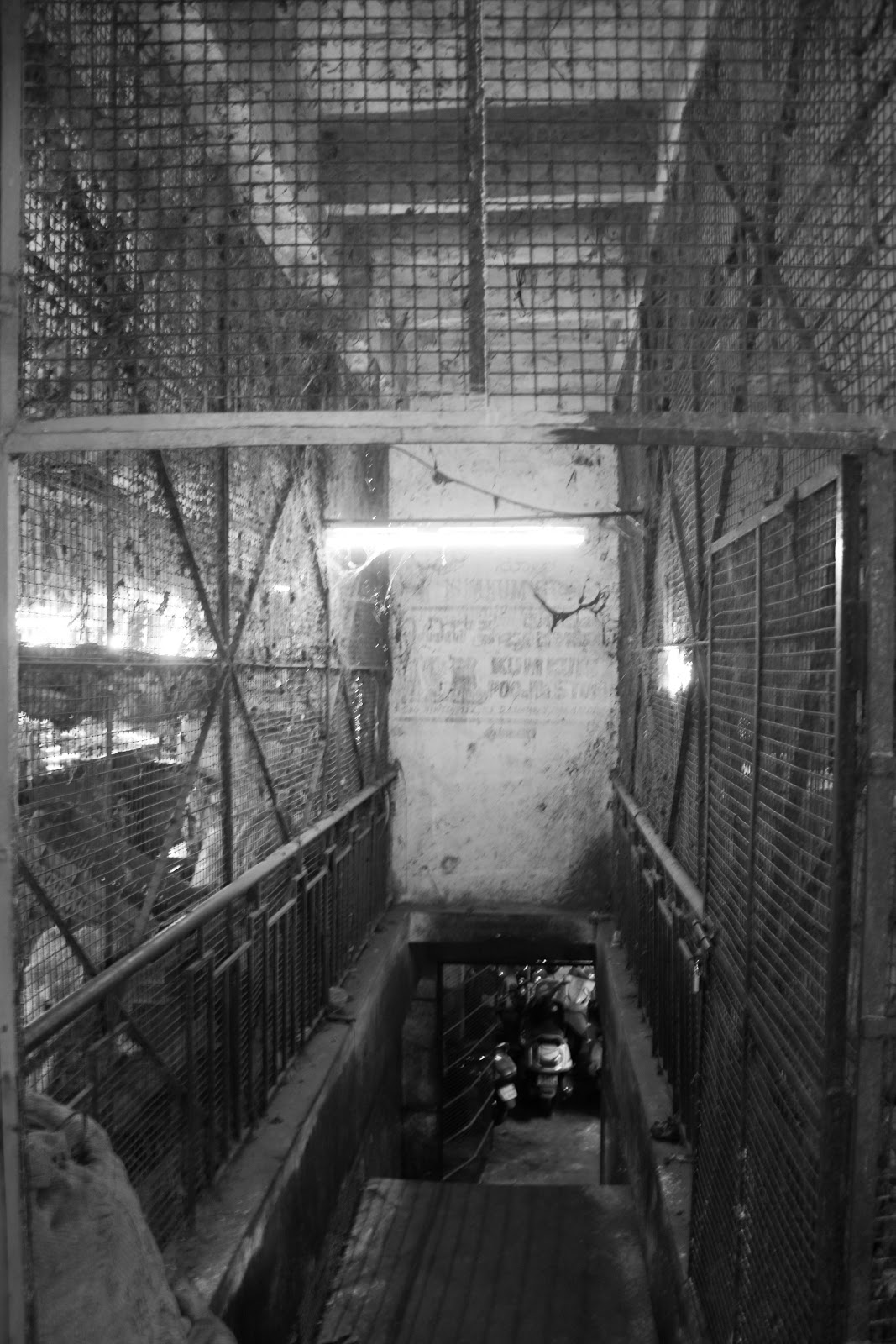
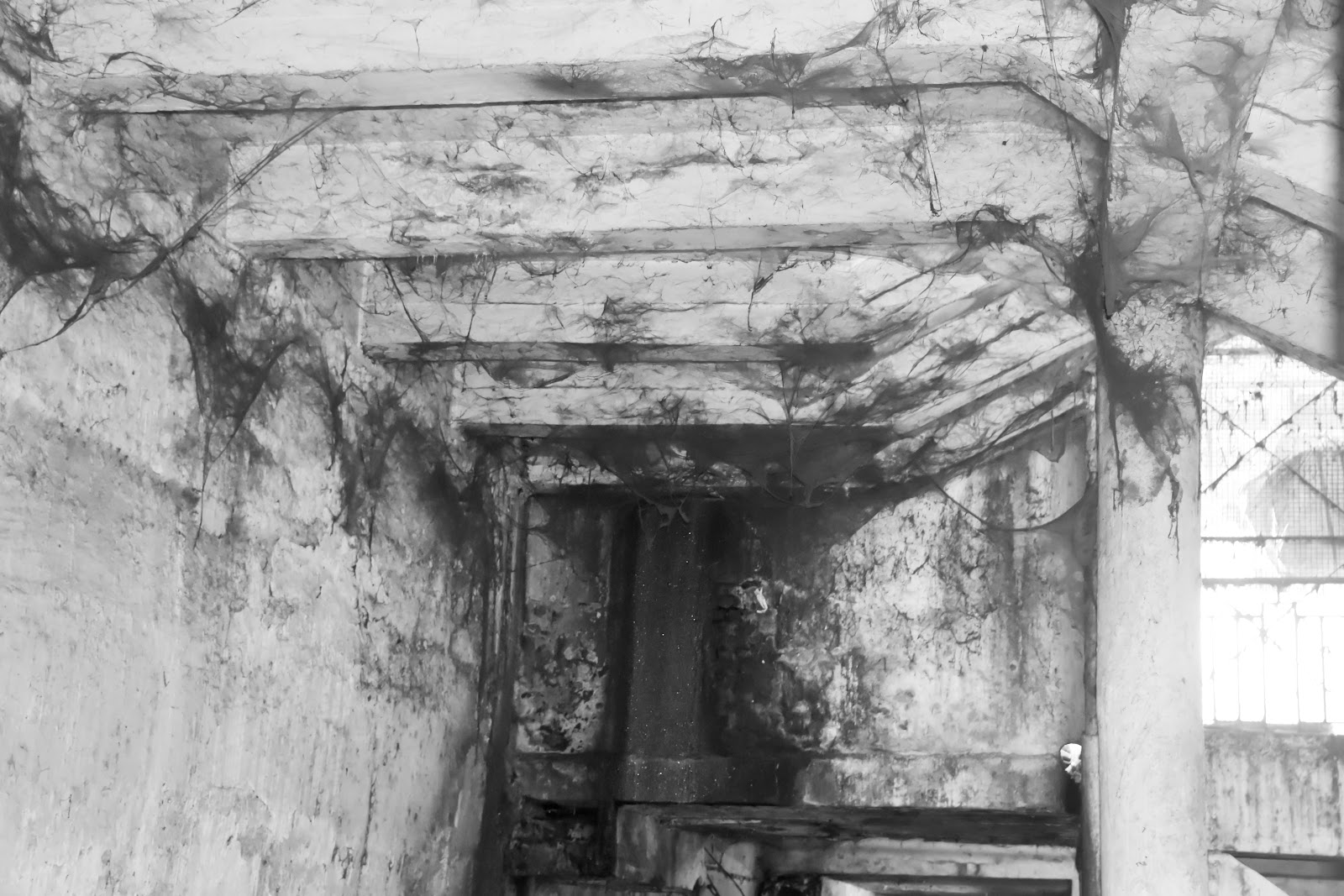
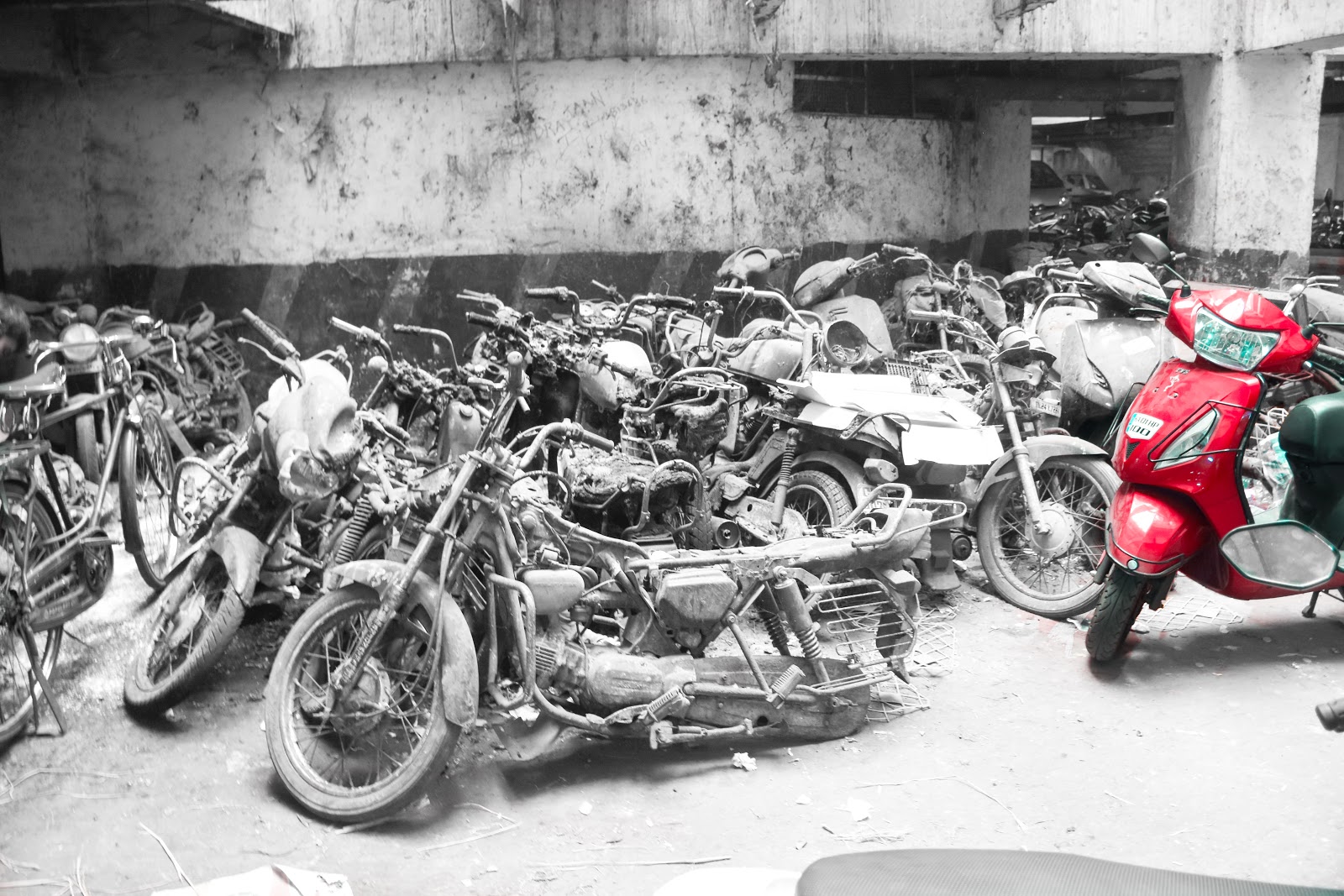
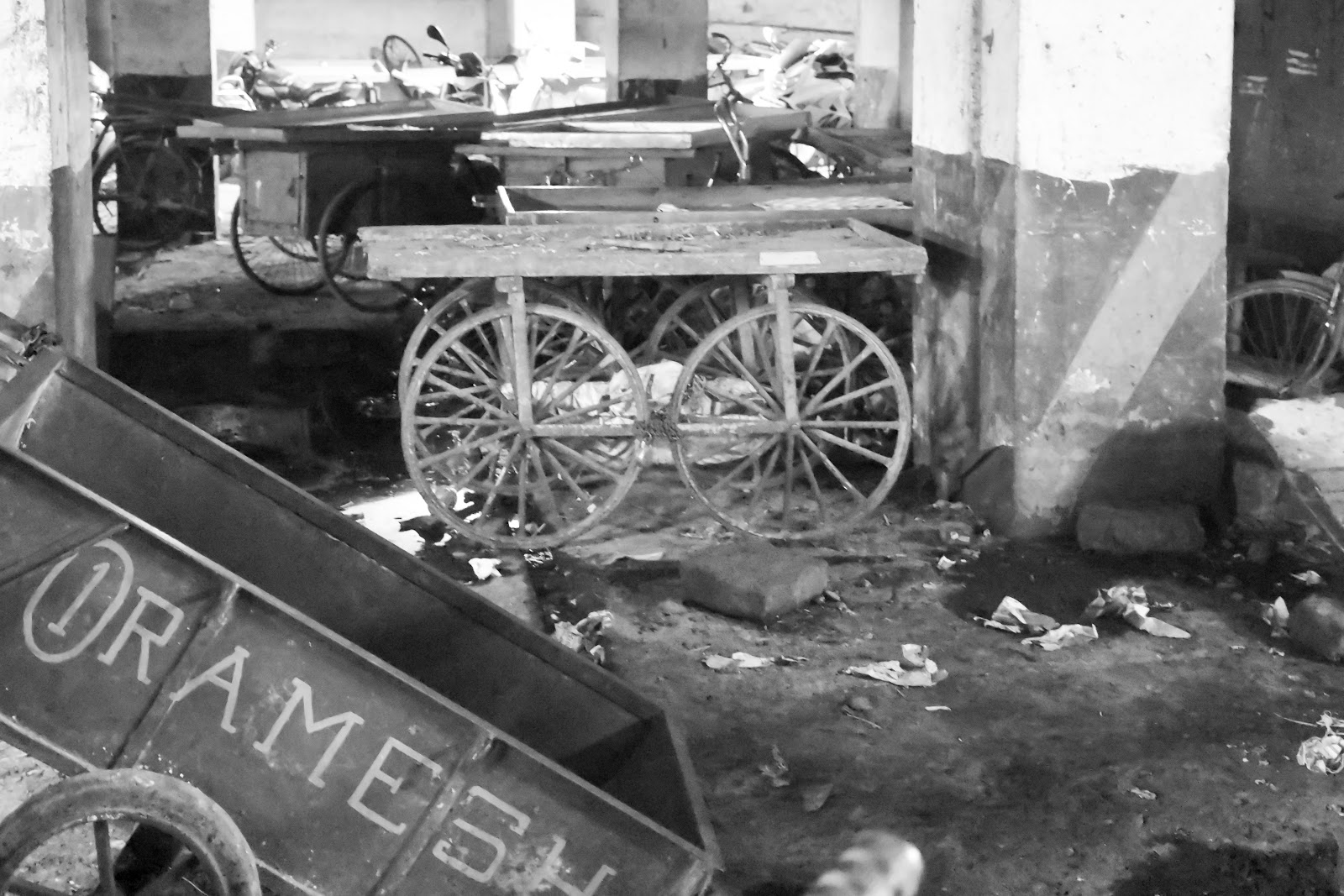
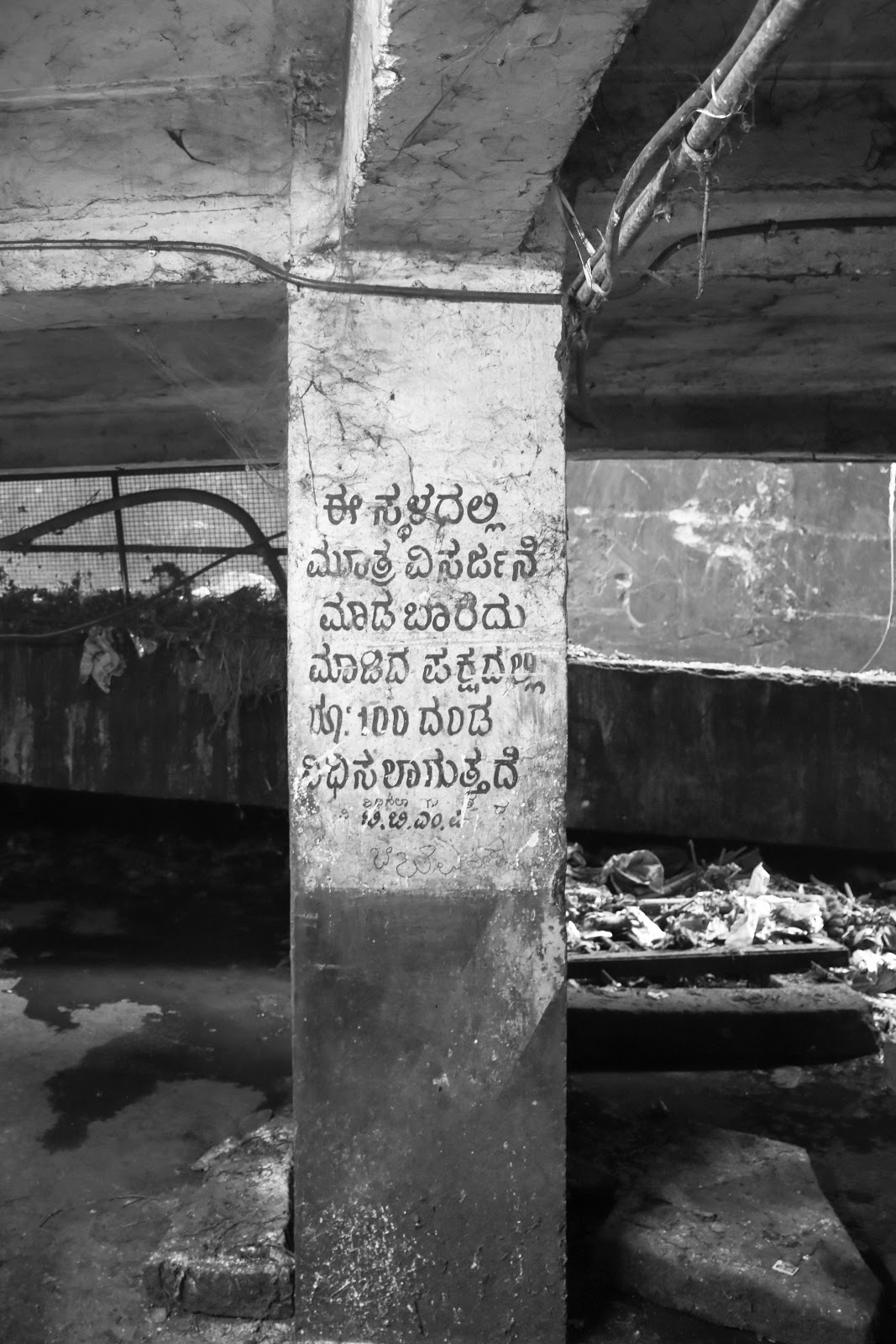
KR Market has a huge complex which sells flowers and vegetables in the lower ground floor, dry goods on the upper ground floor and tools and machine-tools accessories on the first floor. The complex also has an underground basement parking which is in dire need of maintenance. The underground parking is dimly lit and it has an ubiquitous unpleasant aroma which fills the air. The underground parking sports a huge collection of abandoned vehicles, carts, garbage trucks and rickshaws. Amongst all this, we find heaps of rotting garbage and cattle.
 

untitled-2956.jpg

untitled-2934.jpg

untitled-2930.jpg


untitled-2912-2.jpg


Rejected produce being scooped out using a JCB at KR Market underground parking.
 

untitled-2943-2.jpg

Abandoned two wheelers at KR Market underground parking


untitled-2925.jpg

Abandoned four wheelers at KR Market underground parking
 

untitled-2936.jpg

Abandoned carts at KR Market underground parking
 

untitled-2921.jpg

untitled-2948-2.jpg


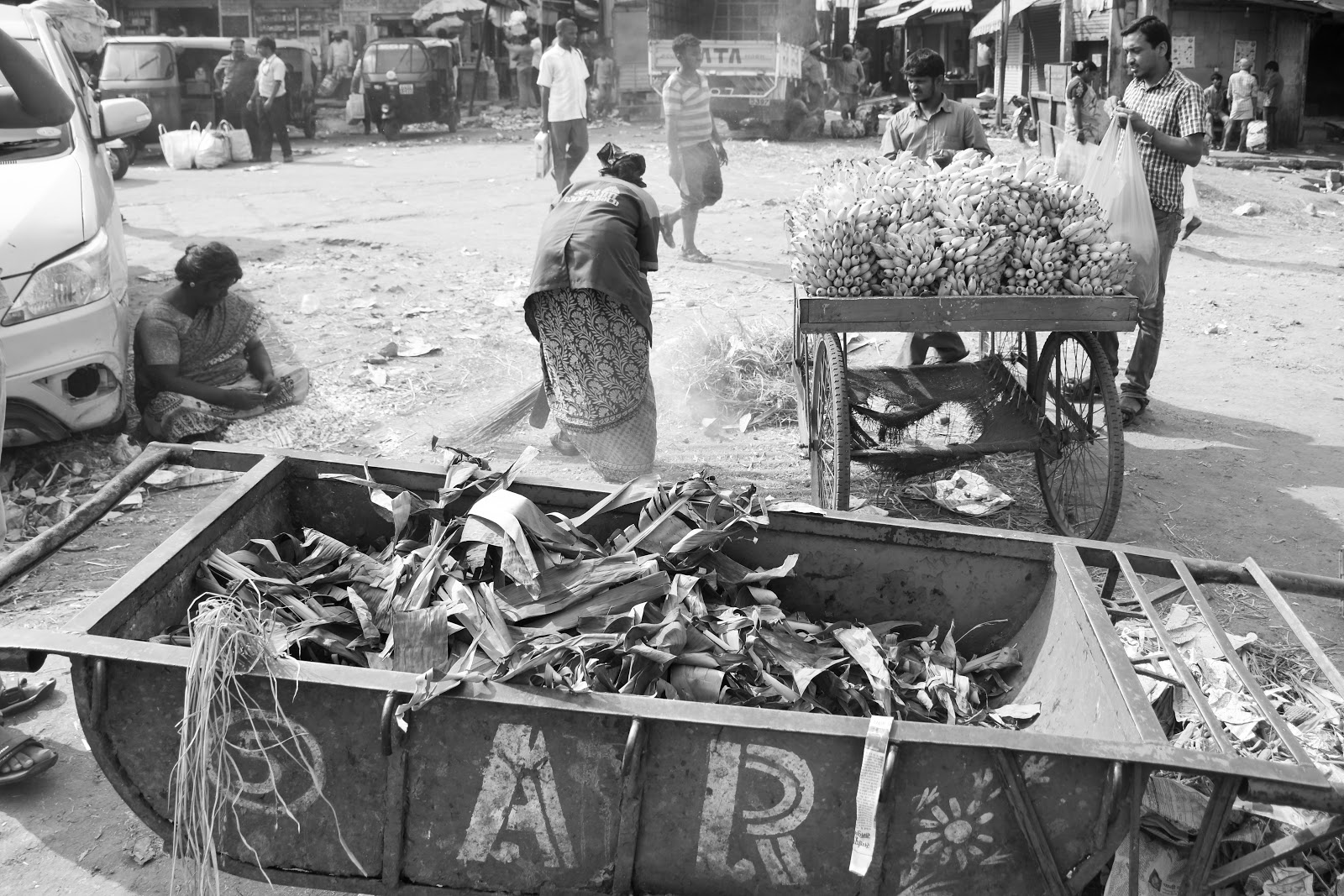
To tackle the ubiquitous problem of garbage disposal there are few teams of people who continually sweep up and try to remove heaps of garbage from KR Market, but their job is never done.
untitled-2969.jpg

untitled-2978-2.jpg

untitled-2979.jpg


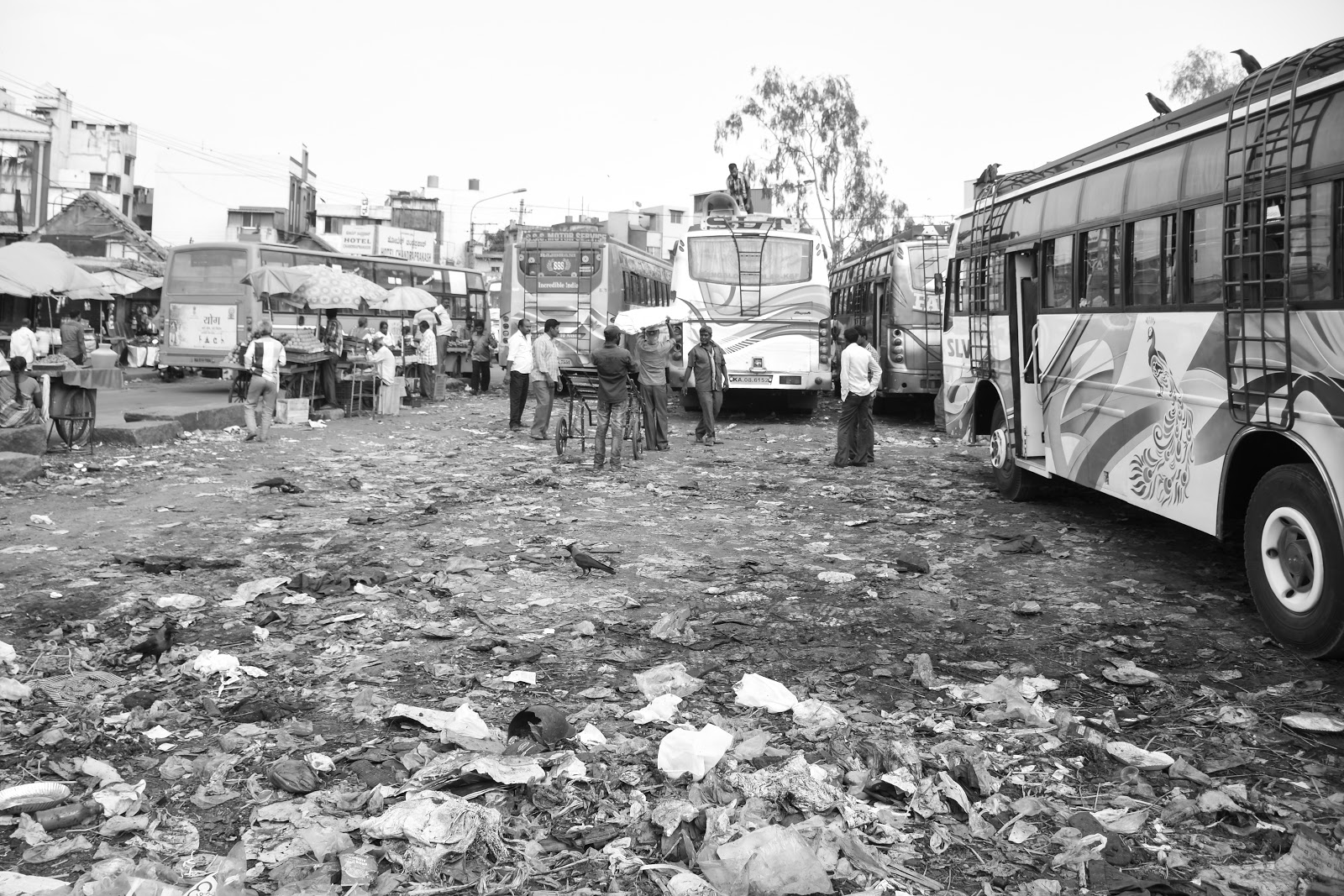
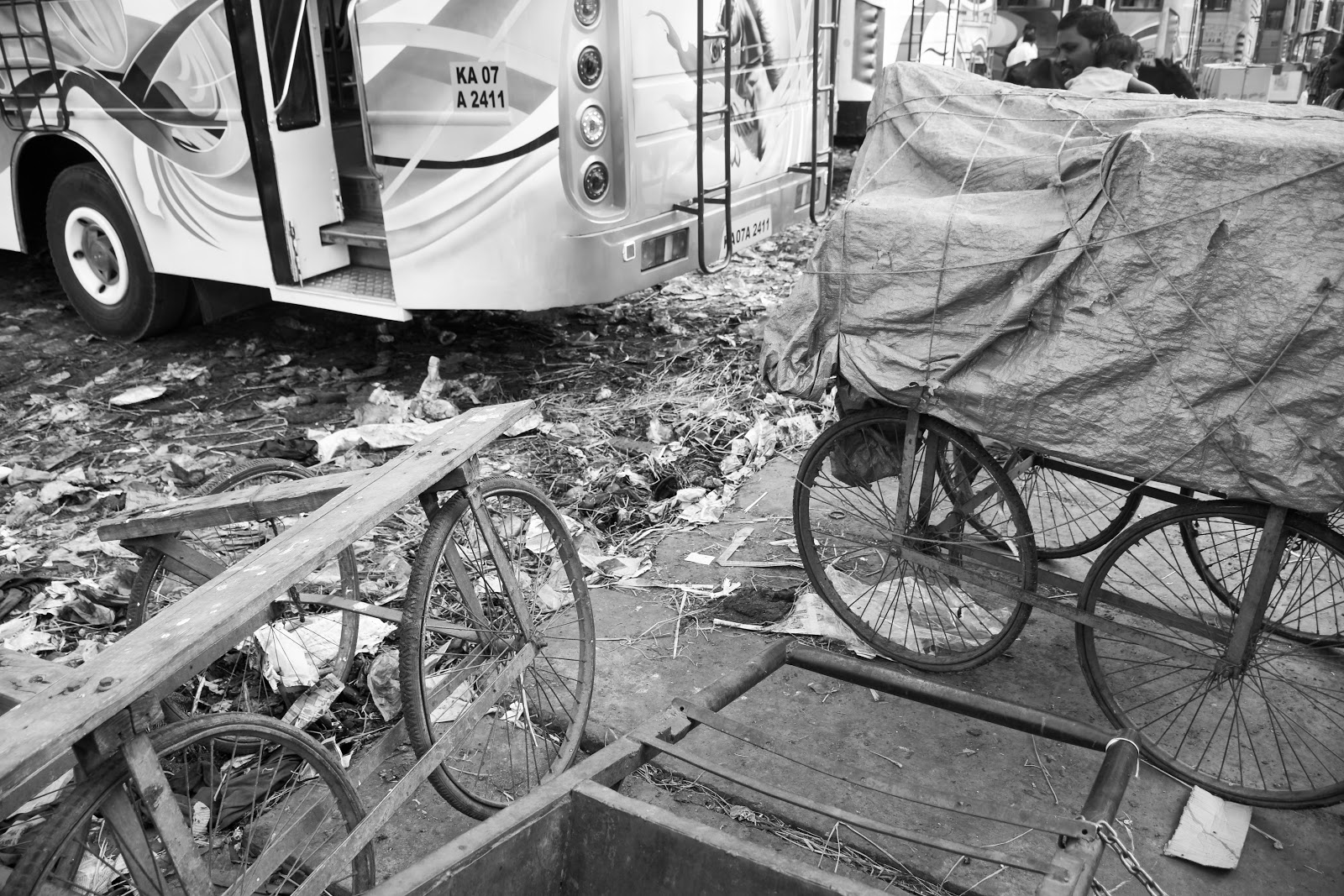
KR Market bus stand is an important connectivity hub where buses from all parts of the state including the rural parts of Bangalore. This too is filled with garbage and refuse.
 

untitled-3056.jpg

untitled-3053.jpg

untitled-3062.jpg

Leave a Reply

Your email address will not be published. Required fields are marked *

Similar Story

The trees we forget: What a city loses when the canopy disappears

Bengaluru's trees are more than shade; they are memory, identity, and resistance. Their loss leaves the city harsher and emptier.

Summer in India has been merciless this year, with many states recording temperatures above 42 degrees Celsius and rising reports of fatalities. Despite these harsh conditions, urban support continues for development projects that clear trees, wetlands, mangroves, and forests near cities. A recent Article 14 report provides data on thousands of trees that will soon be sacrificed nationally for infrastructure projects. Those opposing such unscientific large-scale tree felling are often labelled 'tree-huggers', 'anti-development' and 'anti-nationals'. While capitalism accelerates environmental degradation and the world faces a growing climate crisis, societal divisions deepen.  Yet, we give trees too little credit: Beings necessary…

Similar Story

Bengaluru’s flowering Tabebuia Rosea trees: Think green, not just pink

Cities must not confuse beauty with ecology; Bengaluru’s pink weeks are lovely, but unchecked ornamental planting could make the city prettier but less alive.

Late each winter, Bengaluru briefly transforms into an Indian Kyoto, as roads blush pink, office parks turn photogenic, and social media buzzes with claims of a local “cherry blossom” season. But the star of this spectacle is not cherry at all. It is Tabebuia rosea, the pink trumpet tree, a neotropical ornamental whose native range runs from Mexico to Ecuador. What seems like a harmless aesthetic win is, ecologically, far more complex. The history Bengaluru’s pink canopy is not new. Much of it can be traced back to the 1980s under forester S G Neginhal, who drove a major greening…