Solid waste management is the gordian knot of urban issues deeply embedded in the larger contexts of consumerism, informal livelihoods, urban ecology, public health, and the political economy of urban development.
The question of managing urban waste involves legal, political, economic and social challenges spanning urban infrastructure, technical and human capacities, workers’ safety and welfare, cooperation with local government and citizens, planning, public health, climate change preparedness and sustainable development.
Vidhi’s documentary ‘Garbage Matters’ highlights the mounting problem of disposal of municipal waste in Delhi, the implementation of Solid Waste Management Rules 2016, and various judicial interventions on the issue. While the film focuses on Delhi, the issues discussed have significant resonances with other Indian cities, particularly Bengaluru.
The Bruhat Bengaluru Mahanagara Palike (BBMP) is the municipal agency responsible for the collection and disposal of solid waste in Bengaluru. Earlier this year, the National Green Tribunal pulled up BBMP for its handling of waste in Bengaluru and flawed implementation of the Solid Waste Management Rules, 2016.
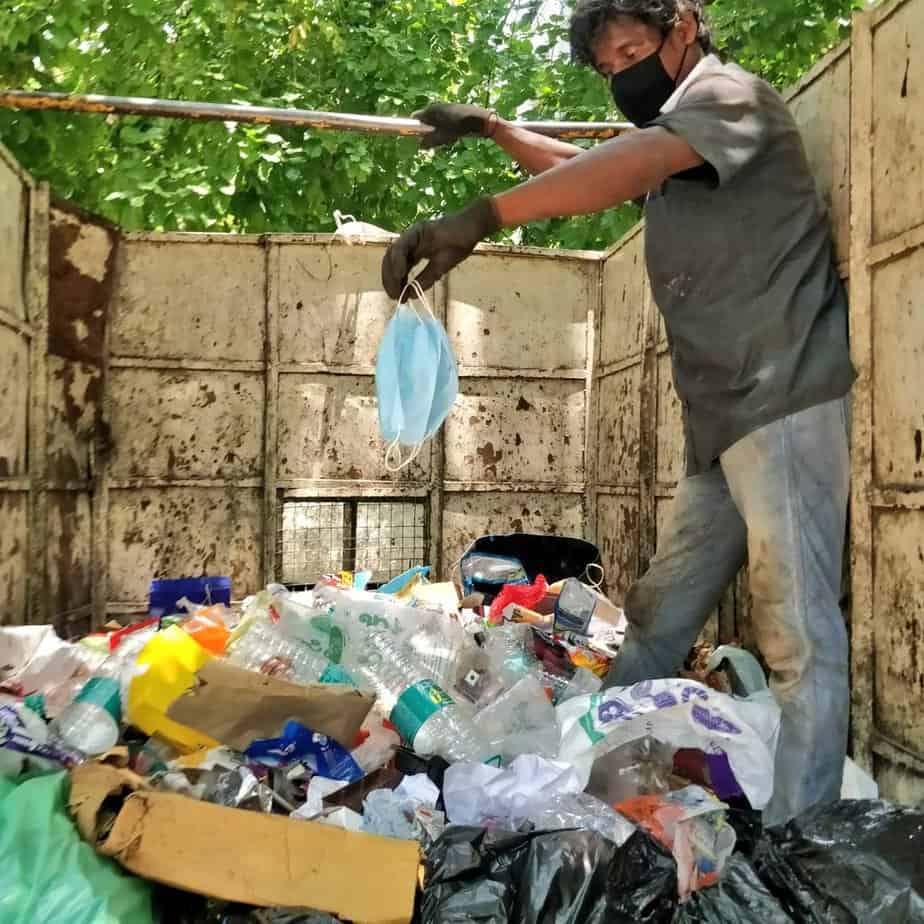
In addition to regulatory challenges, the workforce involved in various stages of solid waste management work under precarious and unsafe conditions.
Bengaluru’s waste pickers and sanitation workforce are suffering from delayed wages and poor work conditions, even through COVID. Despite being hailed as the first line of defence against COVID, they are often forced to work without appropriate equipment, sanitation facilities to maintain personal hygiene and health, or offered necessary healthcare to ensure that they are not at the risk of contracting infection in the course of their work in the service of the city.
Read More: “Pourakarmikas are our defence against corona; here’s how to keep them (ergo all of us) safe”
In this discussion followed by the screening of the film, we shall engage with experts from different sectors of government, civil society, and academia to unpack the challenges involved in managing solid waste, addressing concerns of workers’ and wider implications for urban public health, sustainable development, and climate change preparedness.
Kasa Connections: Solid Waste Management, Workers’ Safety and Public Health
Date: Thursday, July 1, 2021
Time: 6:30 pm – 8:00 pm
Click here to register
Panelists
- Pinky Chandran, Independent researcher, author and journalist
- Sarfaraz Khan, Joint Commissioner, Solid Waste Management, BBMP
- Rajendran Prabhakar, Social activist and Trustee, Maarga
- Rajyashree N Reddy, Associate Professor, University of Toronto
- Bhargavi S Rao, Deputy Director, CFA & Trustee of ESG
- Satarupa Sen Bhattacharya, National Editor, Citizen Matters (Moderator)
- Debadityo Sinha, Senior Resident Fellow, Vidhi Centre for Legal Policy (Interlocutor)
About the Bengaluru Solutions Series
Citizen Matters and Vidhi Centre for Legal Policy in collaboration with the Bangalore International Centre have organised the ‘Bengaluru Solutions Series,’ an ongoing citizen engagement initiative to discuss pressing urban issues in the city. Each edition is dedicated to a theme, based on which a panel discussion with representatives from relevant stakeholder groups is organised. In the previous editions of the series, the themes have been preventing riots, regulating the gig economy, women’s safety in Bengaluru, equitable access to water, disappearing greenery and deteriorating air quality in the city. For the seventh edition of the series, the theme selected is solid waste management in the city.
More details: Kasa Connections: Solid Waste Management, Workers’ Safety and Public Health