In the past few years, most borewells in our apartment The Greens had gone dry due to depleting groundwater levels. We are a 10-year-old apartment community in east Bengaluru, off Outer Ring Road, with 171 flats spread across four blocks. We also have a swimming pool, a small clubhouse and a gym.
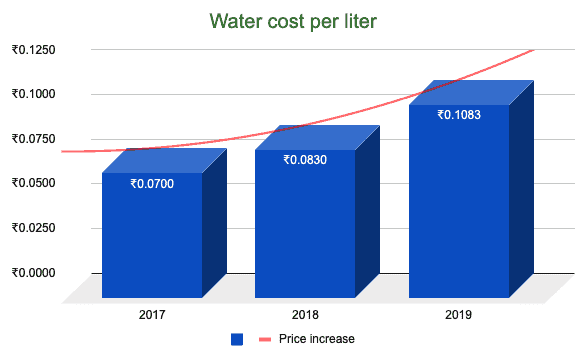
Our water expenses had skyrocketed, and we had to increase our maintenance charges regularly to cover the cost. So in early 2018, we implemented three measures – water metering, reusing treated water, and rainwater harvesting (RWH) – to reduce our water use. The outcome was that our water use and costs reduced by 52 percent within a year!
Borewells dried up, water costs spiked again
After the RWH system was installed in 2018, we could avoid buying water many times, even when the rains were of short durations. However, around mid-2019, our borewells went completely dry. The tanker lobby was charging steeply, claiming they had to bring water from faraway. Our monthly maintenance bill was spiralling out of control due to the increased water expenses. Our apartment was spending more than Rs 2 lakh on the water bill every month.
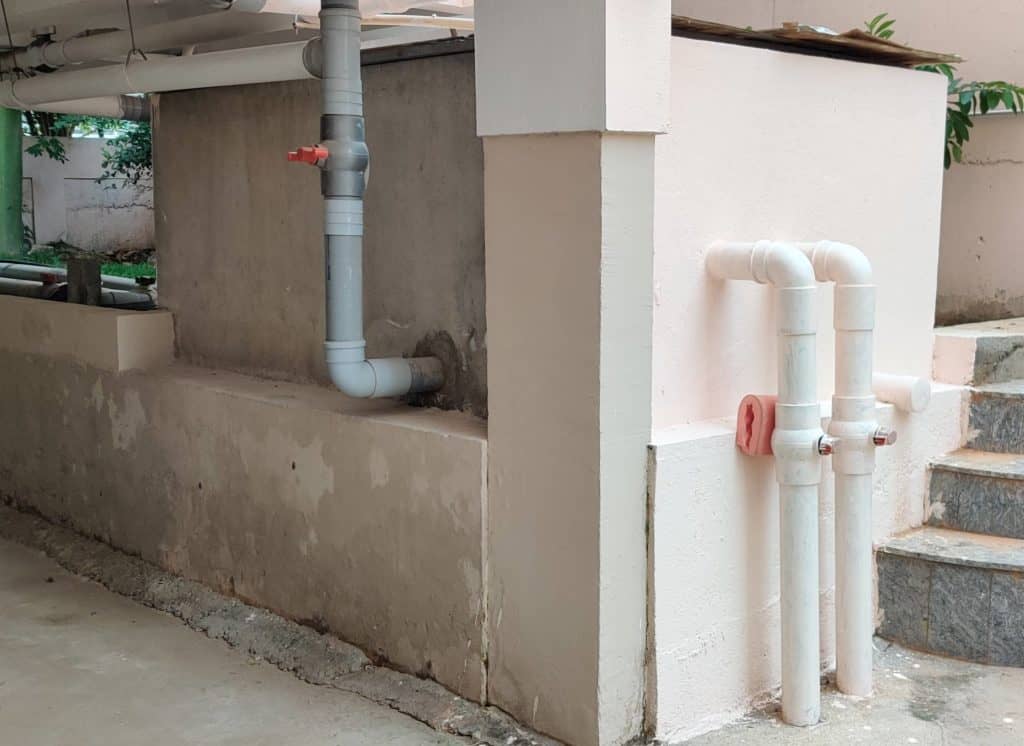
Rainwater for both recharge and direct use
The RWH system we built could collect almost all the rainwater we got. The water from the clean terrace is first run through a filter that removes fine dust from it, and then stored for regular use. Part of the filtered rainwater is also used for recharging groundwater, by directing it to raw water sumps, borewells and recharge pits in our apartment complex.
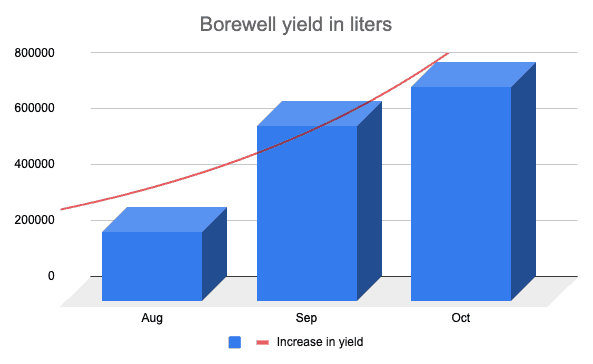
The results of harvesting rainwater were quite amazing. The yield from the borewells went up after good rains in 2019, because we were diligently recharging our borewells and raw water sumps.
No water bill from October to March
After August, we didn’t have to run the borewell for 24 hours. It gave a much higher output, and running it for 8-10 hours was sufficient. Over the monsoon of 2019, our water bill kept reducing due to rainwater harvesting. And from September 21, we stopped buying water altogether.
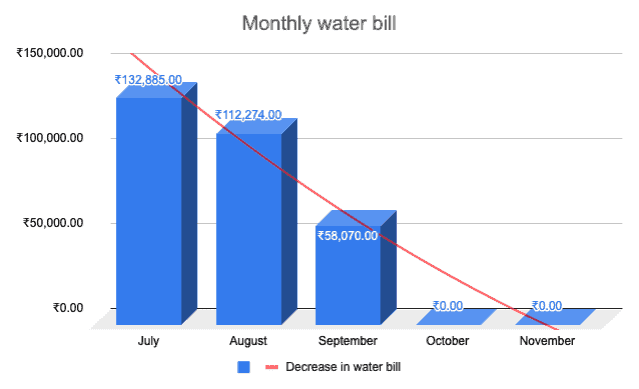
In the five months from October to February, we did not purchase any water. Since March this year, as the summer set in, we had to buy water again; however our costs were lesser compared to the same period in 2019. And after just one month of good rains this July, our water bill has gone down again, from almost Rs 1 lakh to just Rs 4000.
To conclude, I would say that the Rs 5 lakh investment in rainwater harvesting has given us multifold returns. You can read more on how our apartment invested in harvesting rainwater in my previous article.
very good initiative
can you please give more details i am interested as i have worked in water sector
would be interested
Can you share the contact details for more information.. we want some advise for our complex as well
Wow great job..
Can I get more details about it?
Our team also working on groundwater recharge by Rainwater Harvesting in Raiganj Block of West Bengal. Please let us know whether there is any new filtration technique of rainwater.