Karnataka COVID-19 advisory: Elderly and vulnerable should mask up, avoid crowded places

As on December 20th, Karnataka has recorded 79 COVID-19 cases, according to the The Ministry of Health and Family Welfare.

In light of the rise in COVID-19 cases, due to the new JN.1 subvariant in Kerala, the Karnataka Health Department issued an advisory on December 19th. In view of upcoming Christmas and New Year celebrations, and the expected crowding in closed spaces, the general public has been advised to comply with the following measures in this advisory issued by Randeep D, the Commissioner of Health and Family Welfare Services:

  1. All elderly (60 years and above), co-morbid (particularly with kidney, heart, liver ailments etc.), pregnant women and lactating mothers, when outdoor shall wear face masks, and strictly avoid visiting closed, poorly ventilated and crowded areas.
  2. All those with respiratory symptoms like fever, cough, cold, running nose, etc., shall seek medical consultation early. They should wear face masks (covering nose and mouth) and avoid visiting closed, poorly-ventilated spaces, and crowded areas.
  3. Good personal hygiene maintenance, including frequent hand washing, is necessary.
  4. When unwell stay at home, and minimize contact with other people, especially seniors and those who are vulnerable. At crowded places, if not well ventilated, wearing a mask is advised.
  5. When travelling overseas, stay vigilant and adopt relevant travel precautions, such as wearing mask at the airport and inside aircraft and avoiding crowded areas with poor ventilation.
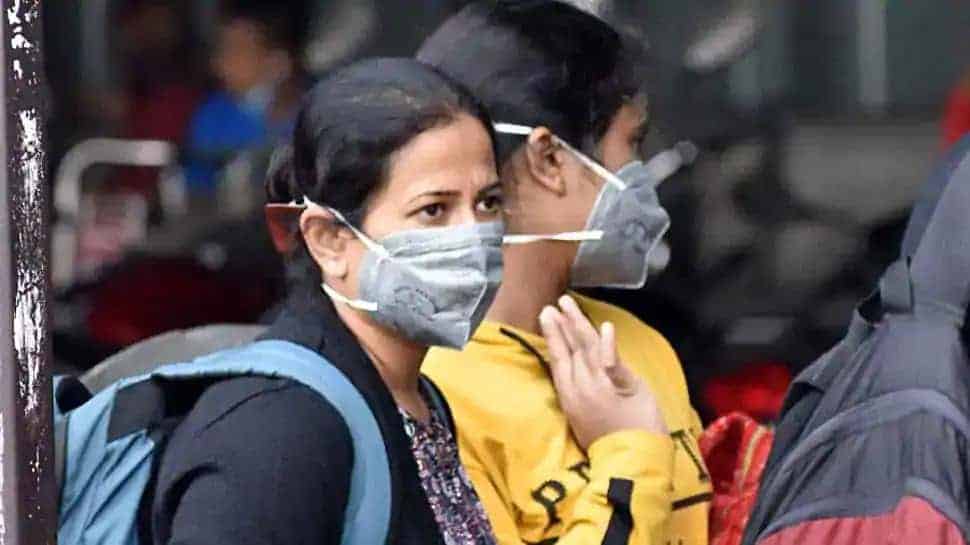
Women wearing face masks
Experts are unanimous—masks are the best and the first line of defence against the virus. Pic: TazaKhabar-Wikipedia (CC BY-SA 4,0)

Karnataka has recorded 79 COVID-19 cases as on December 20th, according to The Ministry of Health and Family Welfare.

Also read:

Leave a Reply

Your email address will not be published. Required fields are marked *

Similar Story

Beyond eco-anxiety: Climate wheel helps Chennaiites map emotions to drive awareness

Care Earth Trust's experiment reveals communities feel anger, hope, and uncertainty about climate change; mapping these emotions could help shape policy.

Amid global crises like climate change, concepts such as solastalgia (distress produced by environmental change), eco-grief, and eco-anxiety are becoming familiar. Climate change’s impact on mental health has only recently cropped up in research, with studies finding connections between the climate and depression, Post Traumatic Stress Disorder (PTSD) and suicidal thoughts. Around 50% of Indian youth aged 14 to 25 experienced increased stress due to worsening climate, according to a survey by the Centre for Science and Environment (CSE). Other studies have found that repeated experiences with flooding, which occur particularly in eastern and southern India, appear to contribute to…

Similar Story

Reproductive health missing in Heat Action Plans, says climate expert Vidhya Venugopal

In an interview, Professor Vidhya calls for heat policies that address overlapping risks shaped by gender, caste and disability.

Across India, temperatures are soaring, and the impact is evident, from 300 suspected heat-related illness cases reported in Andhra Pradesh to 200 in Maharashtra, say news reports. Heat is unequally felt, with informal workers bearing the brunt of income loss and illness during the blazing hours. Another overlooked impact is heatwaves’ toll on menstrual and reproductive health, where access to washrooms and clean water exacerbates summers for women in low-income settlements, experts say.  Extreme heat exposure overlaps closely with marginalisation, says Vidhya Venugopal, Professor of Climate Change, Occupational and Environmental Health at Sri Ramachandra Institute of Higher Education and Research…