Karnataka COVID-19 advisory: Elderly and vulnerable should mask up, avoid crowded places

As on December 20th, Karnataka has recorded 79 COVID-19 cases, according to the The Ministry of Health and Family Welfare.

In light of the rise in COVID-19 cases, due to the new JN.1 subvariant in Kerala, the Karnataka Health Department issued an advisory on December 19th. In view of upcoming Christmas and New Year celebrations, and the expected crowding in closed spaces, the general public has been advised to comply with the following measures in this advisory issued by Randeep D, the Commissioner of Health and Family Welfare Services:

  1. All elderly (60 years and above), co-morbid (particularly with kidney, heart, liver ailments etc.), pregnant women and lactating mothers, when outdoor shall wear face masks, and strictly avoid visiting closed, poorly ventilated and crowded areas.
  2. All those with respiratory symptoms like fever, cough, cold, running nose, etc., shall seek medical consultation early. They should wear face masks (covering nose and mouth) and avoid visiting closed, poorly-ventilated spaces, and crowded areas.
  3. Good personal hygiene maintenance, including frequent hand washing, is necessary.
  4. When unwell stay at home, and minimize contact with other people, especially seniors and those who are vulnerable. At crowded places, if not well ventilated, wearing a mask is advised.
  5. When travelling overseas, stay vigilant and adopt relevant travel precautions, such as wearing mask at the airport and inside aircraft and avoiding crowded areas with poor ventilation.
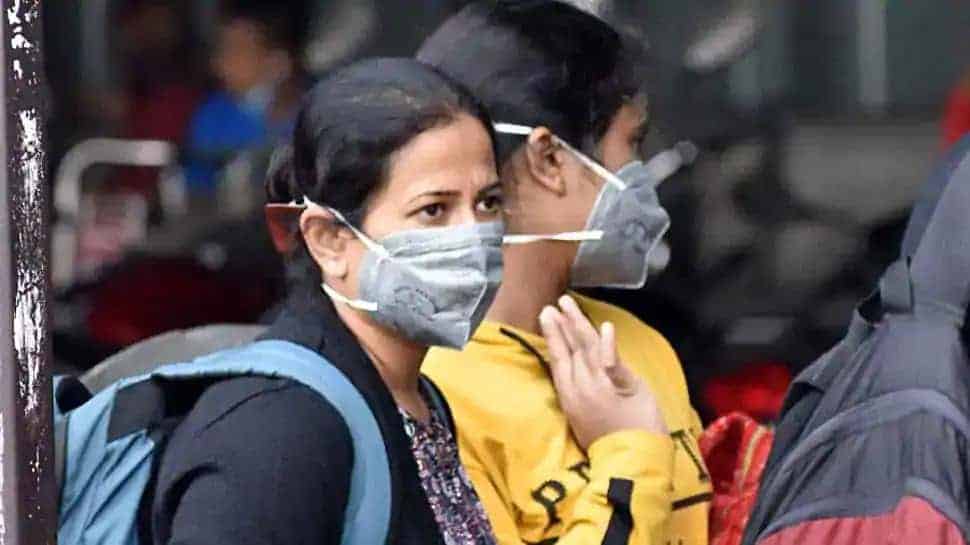
Women wearing face masks
Experts are unanimous—masks are the best and the first line of defence against the virus. Pic: TazaKhabar-Wikipedia (CC BY-SA 4,0)

Karnataka has recorded 79 COVID-19 cases as on December 20th, according to The Ministry of Health and Family Welfare.

Also read:

Leave a Reply

Your email address will not be published. Required fields are marked *

Similar Story

Delhi’s air is toxic, but are South Indian cities really breathing safe?

South India’s AQI may look “satisfactory,” but long-term exposure to toxic air, weak monitoring, and rising emissions shape a public health crisis.

"Delhi’s Air Quality Index (AQI) remains poor." "Flights cancelled due to smog in Delhi."  The headlines mostly focus on Delhi’s toxic air, and the spotlight rarely shifts. However, another story often goes untold: the air in South Indian cities. The AQI readings in Bengaluru, Chennai, Hyderabad and others mostly fall in the “satisfactory” range. Yet, does that really mean the air is safe to breathe? On a busy road in HSR Layout, Kanmani runs a tiffin centre from a pushcart. One evening, she began wrapping up earlier than usual. Just beside her shop, the air was thick with smoke. Garbage…

Similar Story

How reliable are mental health apps? NIMHANS researchers weigh in on risks

NIMHANS review of 350 mental health apps reveals gaps in research, privacy and care; In an interview, authors urge cautious, informed use.

As people gain awareness of mental health, many have started using apps that offer advice and support. This growth is driven by the increased use of smartphones and easy access to the internet. However, many people still believe that mental health care is expensive, which deters them from seeking professional help, despite the availability of trained experts at government hospitals and through helplines and district mental health programmes. Because of this, users may turn to digital platforms for mental health support. But, how reliable are these apps? A systematic review of 350 mental health applications by the Indian Council of…