Survey: Impact of shared mobility in Indian cities

EMBARQ India is conducting a survey to understand the impact of app-based cab services on mobility. Your response could help design better, long-term mobility solutions.

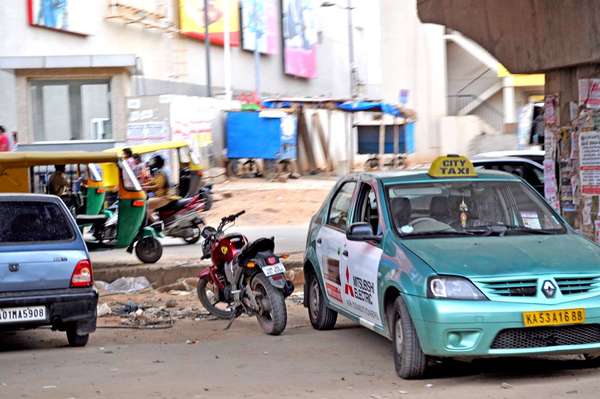
File pic. Pic: Kedar Nadella

Over the last year several Indian cities have witnessed rapid growth of app-based, on-demand cab services such as Uber, Ola, TaxiForSure etc. These services have prompted debate among policy makers, users and other stakeholders on their efficacy, reliability, sustainability and impact on environment, and on black and yellow taxi/regular cabs/public transport. This can be seen in the recent launch of the City Taxi Scheme 2015.  

EMBARQ India is conducting a detailed research study to understand the impact of such services. This research can guide regulators/government to frame policies for the sustainability of aggregator models in Indian cities, while addressing concerns pertinent to different stakeholders.

Do take some time out to complete the survey for EMBARQ. Your inputs will contribute to designing better and long-term mobility solutions.

Related Articles

Five reasons why your cab driver does not land up on time
Quick and convenient: Cabs in Bangalore

Leave a Reply

Your email address will not be published. Required fields are marked *

Similar Story

How accessible is Koramangala? A case study on bus connectivity challenges

While 318 routes touch this Bengaluru suburb, gaps in last-mile connectivity and weak connections remain a problem.

Koramangala is one of Bengaluru’s most recognisable neighbourhoods. Originally planned as a suburb, it witnessed a transformation in the 1990s thanks to its connectivity to Electronic City and the IT corridors along Outer Ring Road. This boom drew skilled professionals from across the country, converting Koramangala into a vibrant commercial hub. With its rapid growth, the question of public transport became even more important, not just for residents, but also for the businesses that thrive here. During OpenCity’s Bengaluru Datajam, organised around the theme of public transport, our group focused on Koramangala’s bus connectivity with the rest of the city.…

Similar Story

Pre-poll report card: Chennaiites call for better last-mile connectivity, walkable footpaths

Across suburban Chennai, fragmented public transport and poor last-mile connectivity force residents to rely on private vehicles

For the average Chennaiite, the daily commute has become an arduous task of navigating peak-hour congestion, poor footpaths and an unreliable public transport system. Ahead of the Assembly elections on April 23rd, the gap between official promises and the reality on the road continues to widen. Here is what the numbers say: Currently, the Metropolitan Transport Corporation (MTC) operates a fleet of 4,110 buses and launched 120 low-floor electric buses in 2025. However, experts say the city actually needs 7,000 buses for comfortable travel and better last-mile connectivity. Residents flag overcrowding and long wait times, which force many commuters, especially in…