My last few visits to a local plant nursery have acquired new meaning, thanks to an elderly lady working there. She now effortlessly guides me – helping me choose not just the most appropriate plant but the most healthy ones too. Having benefited from her advice, I thought it might be useful to share a few such tips here. These pointers are primarily for choosing evergreens, annuals/perennials and other flowering plants.

Plants with lush green leaves. Pic: Vinita
- First look at the leaves and stems for signs of pests and diseases. At the first sign of tears/holes/thread like patterns/ black spots/yellowing, avoid the plant. Remember to check the underside of the leaves too.
- Reject any plant with wilted foliage. This could be indicative of inadequate moisture and the possibility of neglect. The plant is unlikely to grow to its optimum. Choose those with lush green leaves.
- Choose plants with several thick, leafy stems that seem healthy and vibrant; rather than those with fewer thin long stems as this often indicates inadequate light and the plants may not survive too well.
- Look out for properly pruned plants and the ratio of the plant to container. It is believed that any incorrect potting or pruning in the nursery is difficult (sometimes not possible) to reverse later in the life of the plant.
- Similarly choose those with fat flower buds rather than those in full bloom. Though the latter certainly look more appealing, they do not fare well when transplanted and weaken with time. This is one of the many things that I have learnt the hard way!
- Touch or gently shake the plant. Leaves, twigs and buds should not easily fall off; if they do it is a clear sign that the plant has not been properly taken care of.
- Dig your fingers into the soil of the plant, and check if it is moist or dry. Even if the leaves appear fine, the plant roots may actually be damaged if the pot is dry.
- Turn the plant packet or pot over. A tangled mass of roots growing according to the shape of the container and out through the drainage holes indicates the plant is root-bound. It has been in the container too long and needs to be re-potted almost immediately. If possible choose another plant that has white full roots spread across the container.
- What is needed is a balanced mix of roots and soil. Too much root indicates a lack of nutrients. Too little could imply that the plant is weak and may not survive another transplant.
- Something I found really useful to keep in mind is to avoid plant shopping on public holidays/weekends; instead going during non-peak or less crowded times so that you are able to browse around leisurely and the nursery staff are able to respond to your queries with more attention.
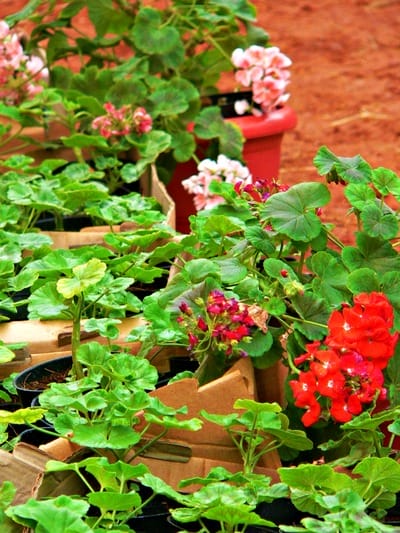
Flowering plants. Pic: Vinita
Having bought the plants, try to plant them within a day or two of bringing them home. If this is not feasible, you could store them carefully in a cool, shaded spot, and water daily until planting.
Perhaps, arming yourself with this information might help you on your next visit to the nursery? Remember, however, that you would do well to also make yourself a friend of one of the staff there so they share other tips with you.
Further, if you still want the plant badly despite it not confirming to these tips, buy it anyway and who knows – with the appropriate care and attention it might teach you a lot more about plants and gardening!⊕