More than 1,000 trees to be cut. Close to 100 bird species and 400 plant species endangered. All this for a project that covers just about two kilometres and costs a whopping ₹1,140 crore.
Residents and activists in Bengaluru have vehemently opposed the Karnataka government’s Hebbal Short Tunnel project, launching a petition to halt construction immediately. Environmental activists and experts warn that the project threatens Bengaluru’s cascading lake system and increases flooding risks. There is growing public concern that the tunnel will cut through one of North Bengaluru’s last major green-blue landscapes and cause lasting environmental damage.
The petition, started on August 3, 2026 on Change.org, to “Save Bengaluru’s Green-Blue Landscape,” has already gathered 20,000 signatures. It calls on the State government to pause construction and subject the project to independent environmental, hydrological, traffic and safety assessments.
Moreover, the government has not shared a Environmental Impact Assessment report publicly for the project.
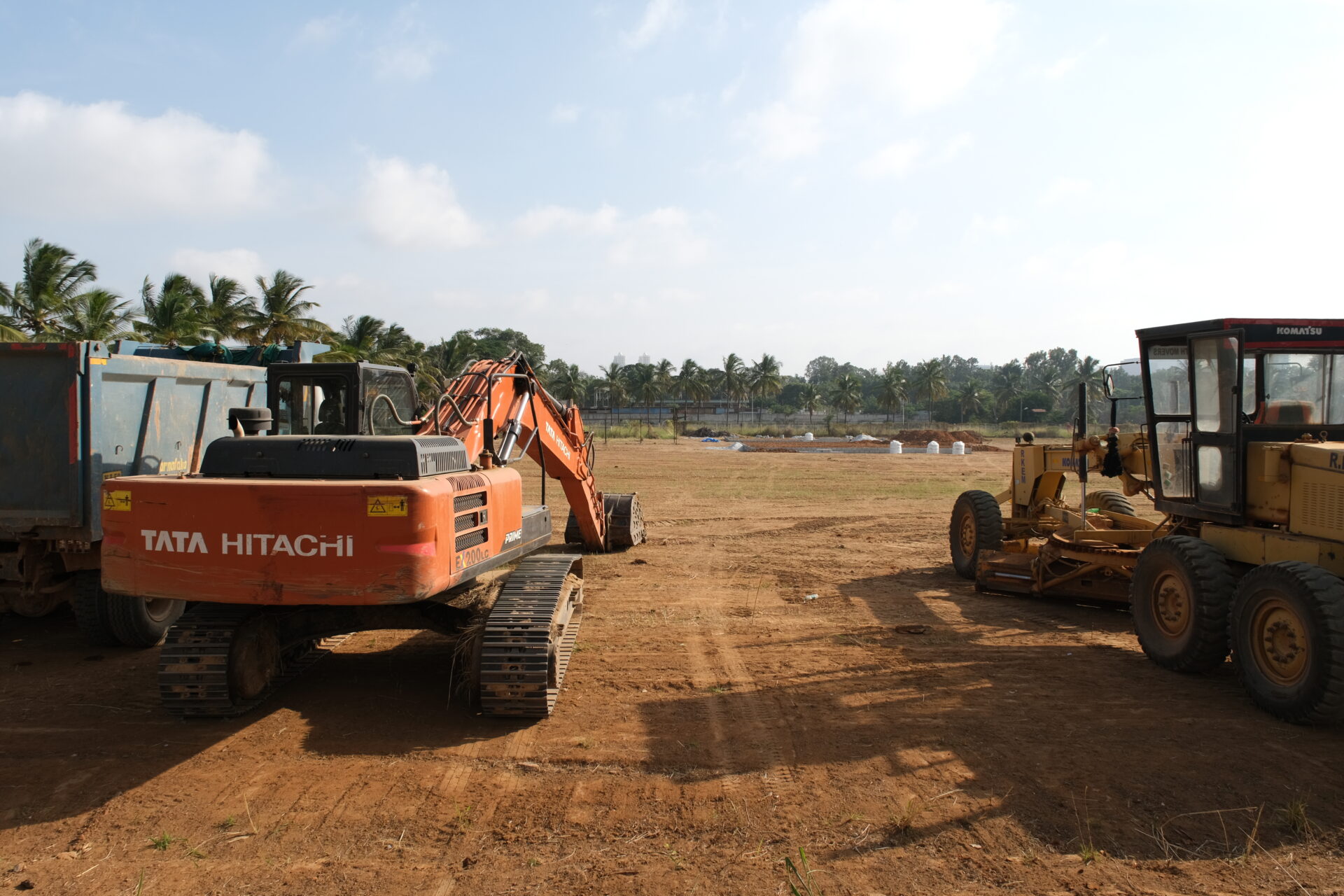
The 2.2 km Hebbal Short Tunnel involves a disruptive cut-and-cover tunnel through the Hebbal area, including the Hebbal Lake Buffer area, the Hebbal tree park, the Veterinary College campus and the UAS staff quarters. Approximately 3.45 acres associated with Hebbal Lake, believed to be built by the founder of Bengaluru, Kempegowda I, have been transferred for the project.
Why are 20,000 citizens concerned?
Hebbal Lake and its water systems:
The project will be a water tight compartment in an area already vulnerable to flooding and waterlogging. Questions remain about groundwater, lake drainage, recharge areas and stormwater flows.
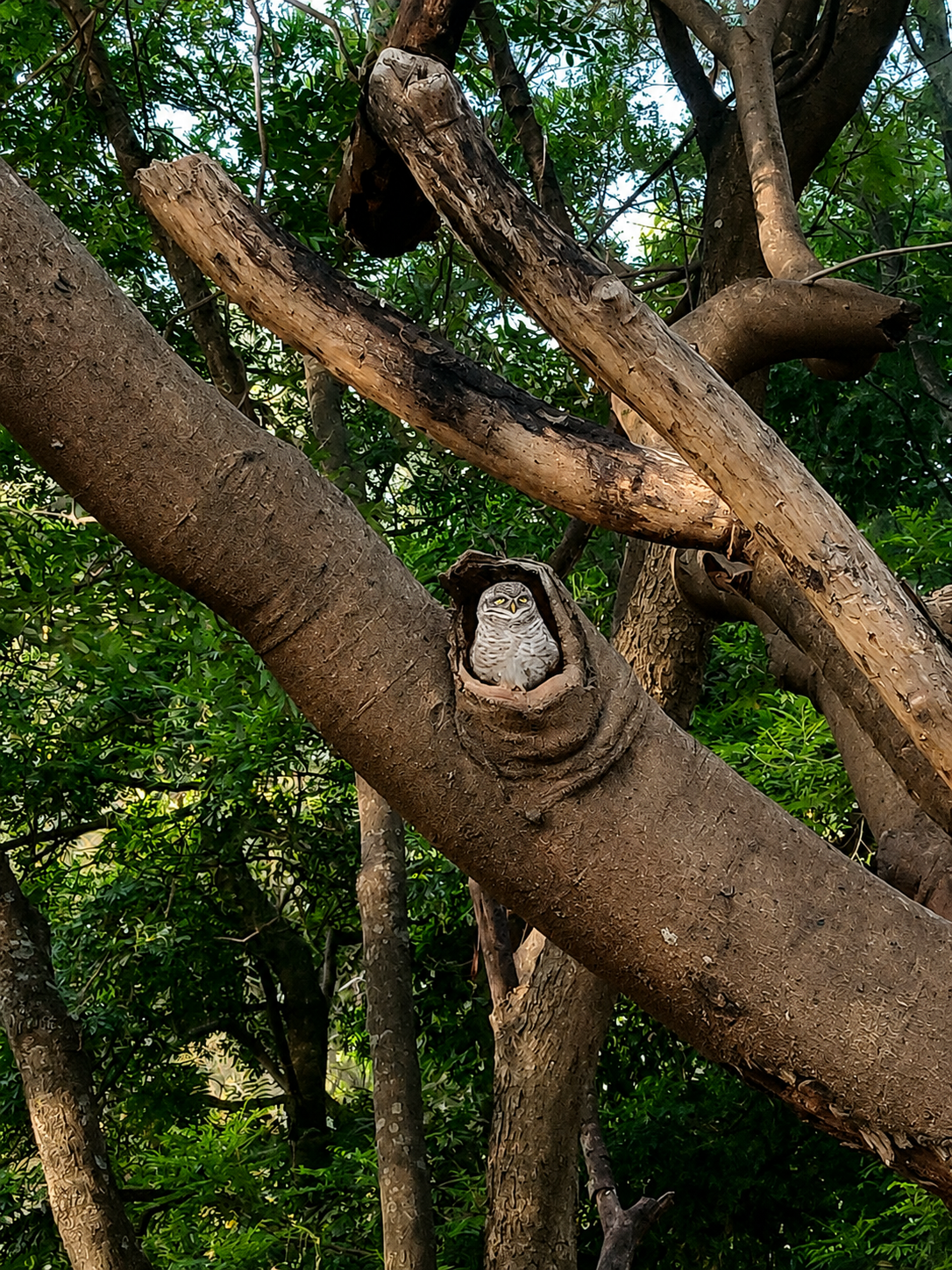
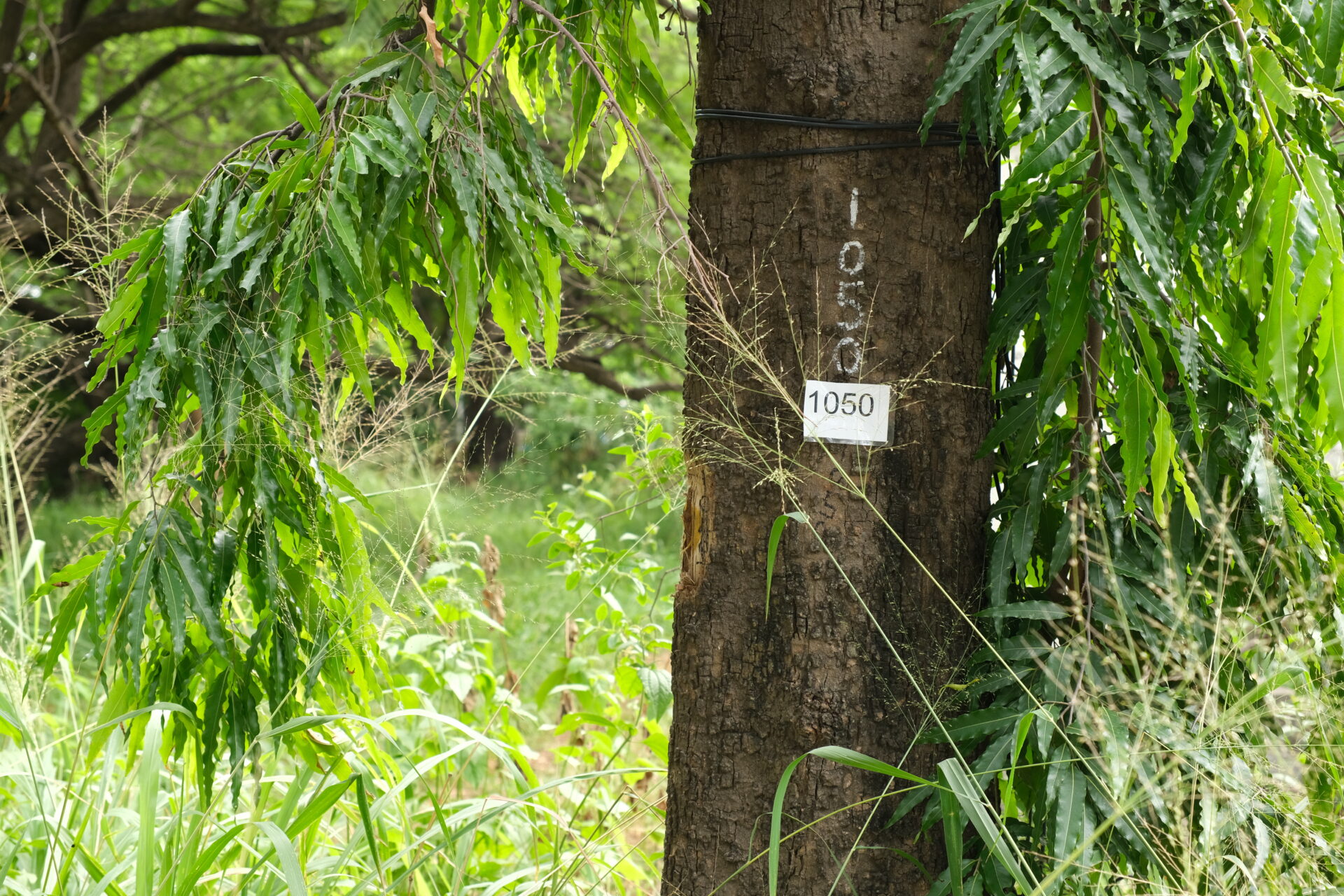
Hundreds of mature trees and urban biodiversity:
Also, on September 20, a public notice from the Deputy Conservator of Forests invited objections from citizens to remove 1128 trees.
Does the tunnel actually solve congestion?
An IISc Sustainable Transportation Lab study released in August 2026 found that the tunnel will create severe bottlenecks at its entry and exit points.
Environmental assessment and transparency:
Citizens are demanding that the project’s ecological and hydrological impacts be independently assessed before construction proceeds and an EIA be made public.
Read more: Bengaluru’s misplaced priorities: Tunnel road, sky-deck and expressways
Puneet Sachdev, who started the petition says: “Having grown up around this campus and spending evenings here, it pains me to see how we are losing this space and part of the Hebbal lake. This tunnel road is going to be a criminal waste of money and resources and not really going to solve the traffic problems at Hebbal. The government should rather focus on the Metro instead of mindlessly building car centric roads which will just worsen traffic further.”
Here’s what citizens are asking
- So, citizens demand that before Bengaluru permanently sacrifices trees, public green space and potentially critical water systems, the government must demonstrate that the tunnel is necessary, safe and environmentally sound.
- The complete DPR, traffic model, tree survey, groundwater and hydrological studies and safety assessments must be made public, along with an independent technical review.
- Bengaluru needs transport solutions that move people, not simply traffic jams from one junction to another — and infrastructure that works with the city’s lakes and trees.
But, despite the overwhelming public opinion about the project, and the matter being subjudice, work is progressing very rapidly.
Meanwhile, the Greater Bengaluru Authority (GBA) has called for public feedback on the project. Bengaluru citizens can send their objections to dcfbbmp12@gmail.com by September 29.
To know more about the project and its repercussions, watch the video of our webinar on the subject:
[This article is based on a press release shared by the citizens’ collective and has been published here with some edits.]