The consequences of poor waste management are visible across communities near our own in Chennai. In Tiruvanchery, waste dumped and burnt close to residential areas has caused breathing difficulties, mosquito nuisance, and raised concerns about groundwater contamination. Such conditions don’t begin at dumping grounds alone; they start at home, when recyclable, biodegradable, and non-recyclable materials are discarded together.
For many years, the approach has been standard: collect mixed household waste and transport it to dumping yards. While this may appear convenient, it is neither sustainable nor environmentally responsible. In our own community of SSM Nagar, Perungaluthur, only about 50% of the 2,200 households practise segregation at source (SAS). In many nearby panchayat areas, mixed waste collected from homes is often dumped in temple land or along the roadside, creating serious health hazards, unpleasant odours, and an unsightly environment for residents.
Moving beyond the “collect and dump” model
The fundamental problem with mixed waste is that it destroys the value of recyclables. Food waste contaminates plastics, paper, glass, and metals, making them unrecyclable. Organic waste releases methane—a greenhouse gas far more potent than carbon dioxide—while plastics break down into microplastics that pollute soil, water, and food. Open dumping attracts rodents and insects, produces foul smells, and generates toxic leachate that seeps into groundwater. With growing urbanisation, waste generation is increasing while land available for dumping is rapidly shrinking. This makes the “collect and dump” model unsustainable.
Read More: Waste segregation: The challenge Chennai must overcome
The solution lies in changing our mindset and treating waste as a valuable resource. Segregation at source is the first and most important step. By separating biodegradable waste, recyclables, and reject waste at home, much of it can be composted or recycled instead of ending up in landfills. This simple habit reduces pollution, conserves resources, and helps create cleaner, healthier communities for future generations.
Looking at waste as a resource
When we began addressing waste management in our community, we realised the biggest challenge was not infrastructure but awareness. Most recyclables were ending up in mixed garbage, making recovery impossible. To tackle this, we launched KAATRU—Keeping Awareness and Action Towards Recycling and Upcycling.
Every week, we organise collection drives where residents hand over segregated soft plastics, hard plastics, cartons, e-waste, old clothes, notebooks, and other recyclables. These are sent to authorised recycling partners (Spreco Recycling Pvt Ltd for this initiative) instead of landfills. Since the start of this initiative, we have collected around 5–6 tonnes of waste. Beyond collection, KAATRU focuses on behaviour change: awareness campaigns, children’s competitions, and family education on how small changes at home can create big environmental impact.
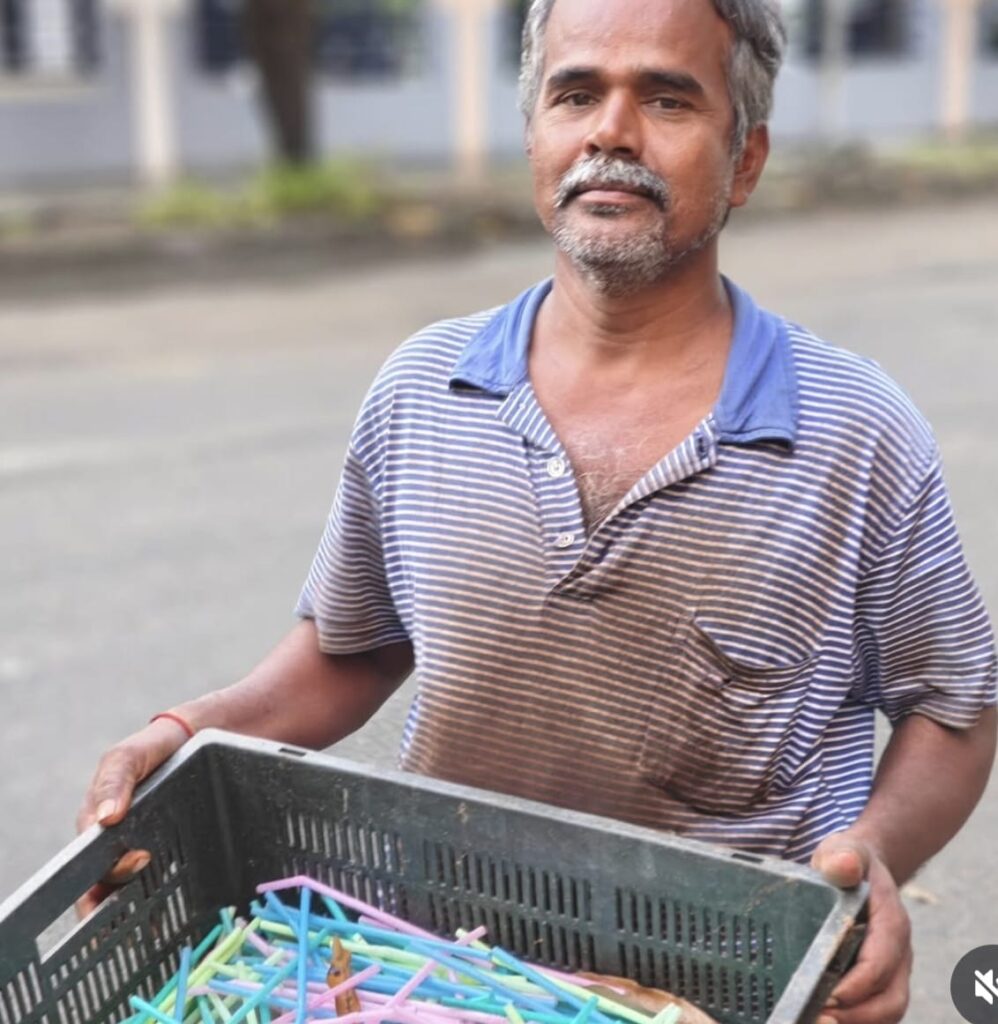
The results have been encouraging. Tonnes of plastic waste are now diverted from landfills every month. More importantly, residents have begun to see waste not as garbage but as a resource to be reused or recycled responsibly.
A completely community-driven initiative
What makes KAATRU unique is that it is entirely community-driven. Instead of waiting for government action, residents have taken ownership of the waste they generate. Through KAATRU, we have built a simple system where recyclable waste is collected regularly and sent to authorised recyclers. Volunteers, children, and apartment associations work together, turning waste into a resource rather than a problem.
Our message to other communities is simple: start small, stay consistent, and involve everyone. Form a volunteer team, educate residents, partner with recyclers, and make segregation a habit. If many residential associations adopt similar initiatives, together we can create a significant positive impact on our environment.
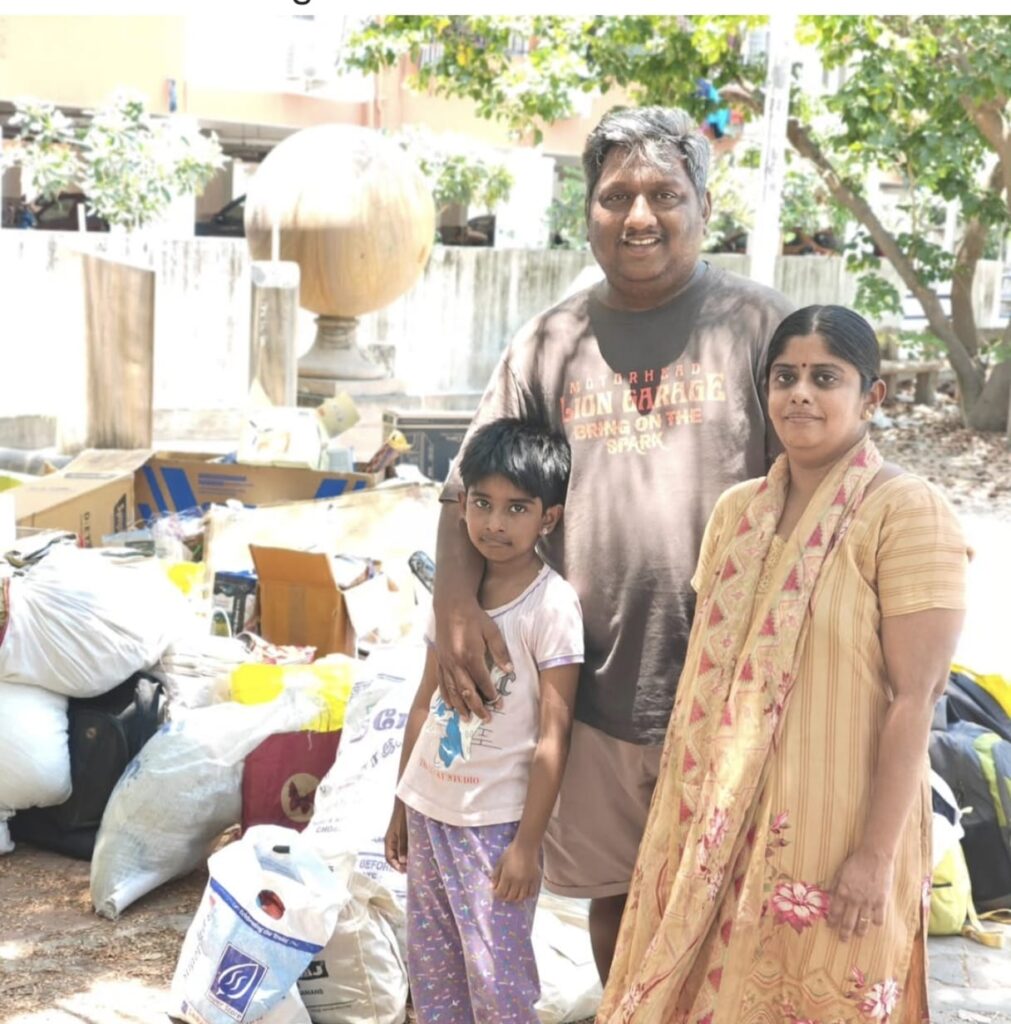
Special initiatives under KAATRU
Eco-friendly Vinayaga Chaturthi celebrations
One of KAATRU’s most meaningful initiatives has been promoting eco-friendly Vinayaga Chaturthi celebrations through the recycling of clay idols. Every year, thousands of painted Plaster of Paris idols end up in lakes, rivers, and the sea, causing serious environmental pollution because they do not dissolve easily and often contain harmful chemicals and synthetic paints.
Read more: Abandoned gods: Discarding religious waste with care
To address this, we collaborated with local artisans and sculptors to encourage the use of natural clay idols made with eco-friendly colours. After the festival, instead of immersing these idols in water bodies, residents were encouraged to bring them back to designated collection points. The collected clay was carefully processed and returned to artisans for reuse in making new idols and other clay products. This creates a circular economy in which the same natural material is used again instead of becoming waste.
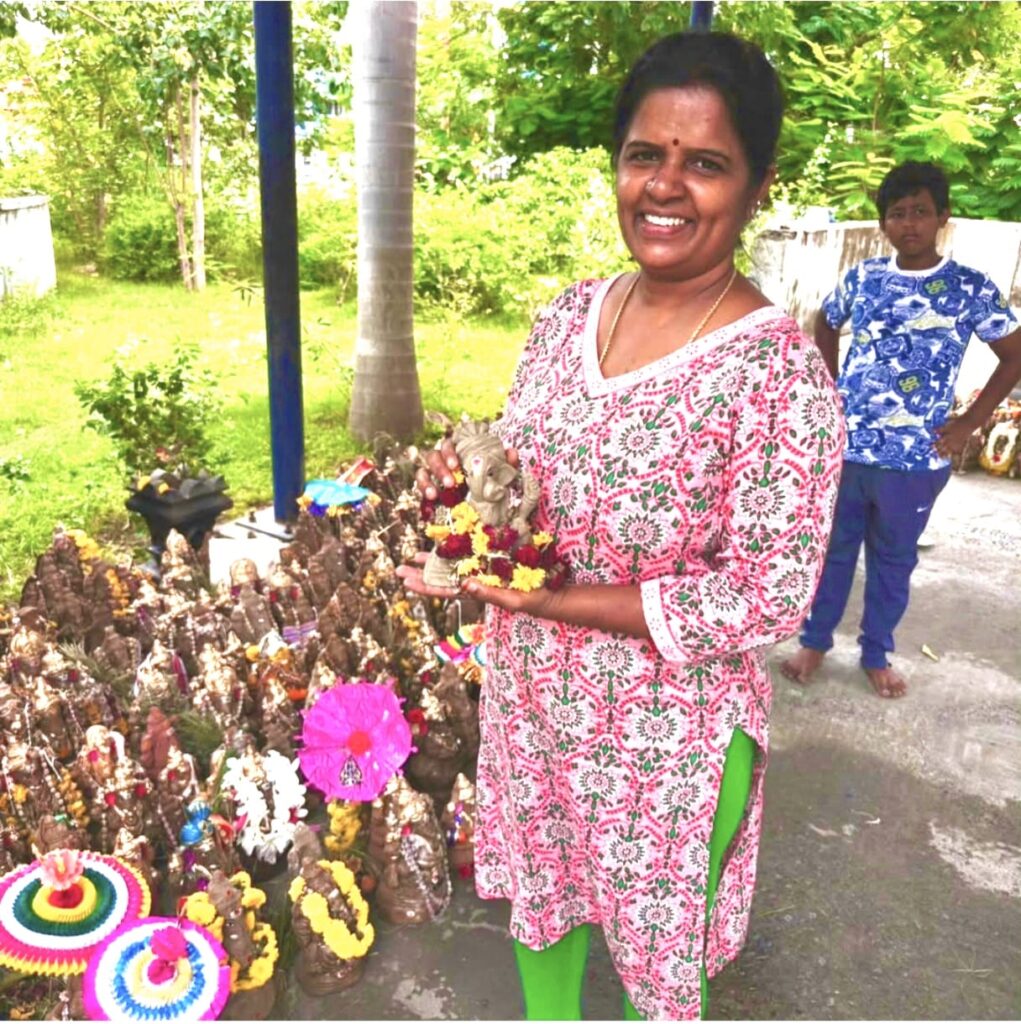
The initiative also serves as a powerful awareness campaign. It helps residents, especially children, understand that devotion and environmental responsibility can go hand in hand. By involving sculptors, residents, and volunteers, we are preserving tradition while protecting nature. Our hope is that this model can be adopted by many more communities, making festivals both spiritually fulfilling and environmentally sustainable.
ReBuy: Turning someone’s waste into another’s treasure
We have also formed a WhatsApp group named “ReBuy”, where someone’s waste becomes another person’s treasure. Many residents are using this group to sell or give away their used products, such as refrigerators, cycles, other household items, and school and college books.
The larger vision
KAATRU shows that lasting change doesn’t depend on one large intervention, but on consistent habits: segregation, recycling, reuse, and responsibility.
By working together, our community has proven that sustainable waste management is not only possible but can become a way of life. If many communities adopt similar models, we can move towards a cleaner, healthier, and more sustainable future.
Do you want to get information on local events in Bengaluru, Mumbai and Chennai, news updates, links to explainers, data and more? Join our WhatsApp broadcast channel, Citizen Matters – Civic updates for the Active Citizen.
This is a beautiful initiative by this man. Kudos to the entire community
worthwhile initiative..sad point .when he mentions. even after awareness drive only 50% residents segregate waste at source ie their homes…. only when people change their attitude and mindset, help people Like Jayaram we will be able to see cleaner communities cities and country.
all the very best.