Save Mumbai Mangroves campaign: Who really benefits from the coastal road?

Mangroves are being cut in Mumbai even as the world observes Environment Day. Watch this video to understand citizens' concerns regarding the Coastal Road project.

“We are literally risking our lives with floods. We are a coastal city. To mess around with mangroves is digging your own grave,” says Pooja Domadia of Save Mumbai Mangroves, a campaign born in the wake of the decision to construct the Versova-Bhayandar Coastal Road in Mumbai. This mega project is going to impact 45,000 mangroves.

The cutting of the mangroves has already begun to make way for the 26.3 km Coastal Road. In March this year, the Supreme Court dismissed a petition challenging the Bombay High Court’s go-ahead for the project. But concerned Mumbaikars are not giving up. Save Mumbai Mangroves has been speaking up, creating awareness through various means, and staging protests for the past few months.
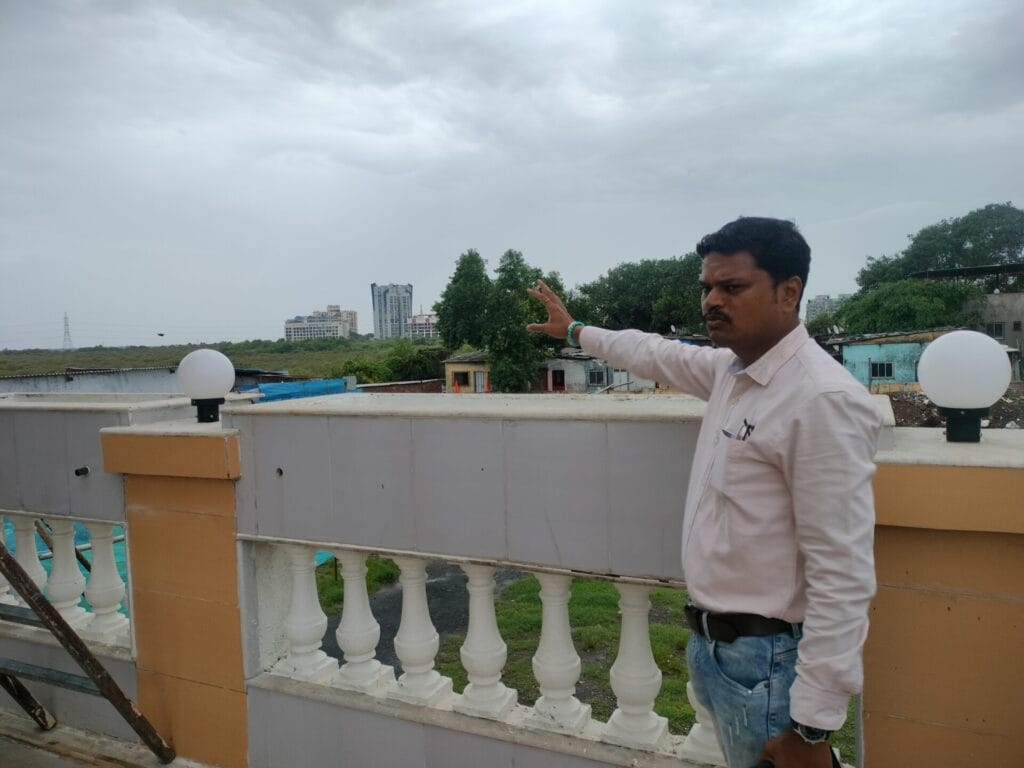
Fisherfolk at Cahrkop Gaon
Fisherman Dhiraj Bhandari shows the point where the tunnel for the coastal road is likely to come and the creek where they fish. The fishing community at Charkop too is worried about the coastal road and its effect on their livelihood. Pic: Shruti Gokarn

“We want to understand a little more about how the afforestation practices are being done,” says Vidushi Kala of the group. The expectations of the group from the BMC are simple: be transparent in your decisions and involve the public in the decision-making process. After all, it is a public project, made with public resources and made for the public.

Check out this video interview, where Pooja and Vidushi tell Citizen Matters about their concerns regarding the coastal road, alternatives to it, their expectations from the BMC, and what keeps them going:

Also read:

Leave a Reply

Your email address will not be published. Required fields are marked *

Similar Story

Citizen Clinic: Cooling solutions for home and neighbourhood

Here are FAQs and answers from the Citizen Clinic on sustainable cooling solutions, where experts discussed greening measures, natural ventilation and more.

As summer temperatures reach record highs across India, our homes are increasingly turning into heat traps. While air conditioning offers immediate relief, relying heavily on high energy-consuming cooling methods cannot be a long-term solution. These are not sustainable and contribute to carbon emissions. On the other hand, many quick DIY fixes may not work, and heavy architectural changes may not be an option for those living in rented homes or in budget-conscious households. So, how can we make our homes more liveable as cities heat up? What are some sustainable, affordable yet durable options available for cooling? To answer some…

Similar Story

Explained: How Bengaluru is losing its green cover to infrastructure projects

As concretisation pushes up temperatures and causes groundwater depletion, experts suggest urgent measures to save Bengaluru's trees.

As visitors arrive at Kempegowda International Airport, they are welcomed by lush indoor greenery designed to showcase Bengaluru's identity as the "Garden City." Beyond the airport gates, however, the reality is starkly different. Roads and streets all over the city are losing the green cover that once defined its character, to make way for metro lines, elevated corridors, and road-widening projects. Development is essential for a growing metropolis. But when it comes at the cost of thousands of trees, it raises a difficult question: can Bengaluru continue to build for the future without erasing the very landscape that made it…