Cities evolve with their demographics. The industrial revolution, which led to the initial spurt in urbanisation, forced cities to improve their facilities—waste management, water supply, and most notably housing—so that the rising population could be supported. More recently, the focus on climate change has forced cities around the world to reckon with problems like air pollution, the urban heat island effect, and extreme weather events like floods.
One of the most pressing demographic shifts of the 21st century that cities must take into account as they grow, is the rise in the proportion of the aged and ageing in total population. The WHO estimates that between 2015 and 2050, the proportion of the world’s population over 60 years will nearly double, from 12% to 22%.
This is set to pose stiff challenges in India too. We already have the second-largest population of people over the age of 65, with 103 million people, which is set to more than quadruple by the end of the century. The shift has already forced cities in high-income countries to adopt designs that support an ageing population, and will eventually be a key consideration for urban design all around the world.
Urban mobility
One of the most important problems to solve while building age-friendly cities is urban mobility. Mobility is a critical part of living in a city — it allows you to be where you want to be, run errands, meet family and friends, and interact with the community. It is necessary to consider seniors as a unique demographic group in this context. This is because seniors increasingly tend to walk and use public transport instead of using private vehicles, as they experience cognitive and functional decline associated with age.
Read more: What we need to keep our senior citizens safe, healthy and happy
The issue in Indian cities is threefold:
Firstly, public transit is inadequate and not designed with the senior population in mind. Walking access and facilities are poor for all, but especially so for people with physical issues (even if these are simply due to age).
Additionally, safety in public transit and on the streets is subpar. Only recently, a senior was killed by a bus in Odisha, one was run over by a BEST bus in Mumbai, and one died after falling from his seat in a bus. Crime on urban streets also makes them unsafe — a senior was allegedly killed by minors who wanted to rob him in Pune.
Thirdly, India seems to be on a journey of development that prioritises and incentivises private vehicle use. The number of private vehicles per 1000 people has increased by more than five-fold since the beginning of the century. This is set to double by 2050. Since senior citizens use private vehicles at lower rates than other population groups, they are set to be disproportionately affected by this development.
It is not as if city life is inherently unsuitable for senior citizens. Thoughtful and well-designed cities, with safe and accessible transit, walking areas and third spaces (areas apart from home and work which promote community interaction), can actually be extremely supportive for senior citizens and truly transform their urban experience.
Cities can promote physical and mental health by facilitating walking and other forms of exercise and interactions with the local community. They can also help fight cognitive decline by challenging seniors’ cognitive and motor skills.
Factors affecting senior citizen mobility
Now that we know that senior citizen mobility is a critical consideration of urban designers, it is important to understand what makes senior citizens’ mobility easy or difficult.
A July 2024 study by Divya Suzanna Patil and others, published in the paper titled Perceptions of safety during everyday travel shaping older adults’ mobility in Bengaluru, India, has shown that the main impediments to urban mobility for seniors in the city are ‘perceived’ and ‘actual’ safety and accessibility.
Additionally, access to public transit, its reach and frequency, also have an effect on senior citizen mobility and safety. This is because a lack of public transit forces senior citizens to rely on “paratransit” (like share-autos) which are far more dangerous and uncertain due to a lack of regulation.
Read more: As crimes against elderly rise, Mumbai Police pays friendly visits to check on seniors
Finally, a lack of safe and walkable “third spaces” has an effect on senior citizen mobility and safety. The presence of these spaces (as well as community-building events in them) often causes senior citizens to leave their homes and travel around the city, contributing to positive health outcomes. This lack of third spaces is notably evident in Bangalore, which, despite being christened the “Garden City”, has only 1 m² of green space for every 3.6 people in the city.
The World Health Organization’s (WHO) Age-Friendly Cities and Communities Framework (AFCC) is a response to the increasing number of older persons living in cities. The AFCC has accessibility as one of its critical dimensions. This outcome is broken down into
- neighbourhood walkability
- accessible public spaces and buildings
- accessible and affordable public transport.
These design features of cities that facilitate urban mobility are important because they determine the extent of social participation allowed to senior citizens. This in turn influences healthy ageing.
Source: How cities can include senior citizens in planning (Citizen Matters)
Improving senior citizen mobility
Transit safety
Improving perceived safety of public transit can be done in a variety of ways. According to T Schuitema from the University of Twente, live monitoring of crowds on trains and buses and increased frequency of transit on major corridors could provide a boost. This is because extremely large crowds lead to lower perceived safety of the transit mode. Additionally, perceived safety on transit can also be improved by increasing staff presence on it.
Interviews by Patil and co-authors suggest that the transit safety of Bengaluru senior citizens is affected by the rash driving of bus drivers. Safety can be improved if bus drivers stop at the same spots consistently, drive more safely, and there are seats reserved for senior citizens.
Work by D Deniz suggests that transit use frequency is a major determinant of perceived safety — the more a particular transit mode is used, the safer it is perceived to be. Therefore, promoting transit use —using senior citizen concession cards and fares, as is done in London, for instance, as well as public education campaigns — can have a vast positive effect on senior citizens’ perceived safety of the system.
Since safety, perceived or otherwise, is a critical determinant of senior citizen mobility, these improvements should improve age-friendliness of our cities.
Street safety
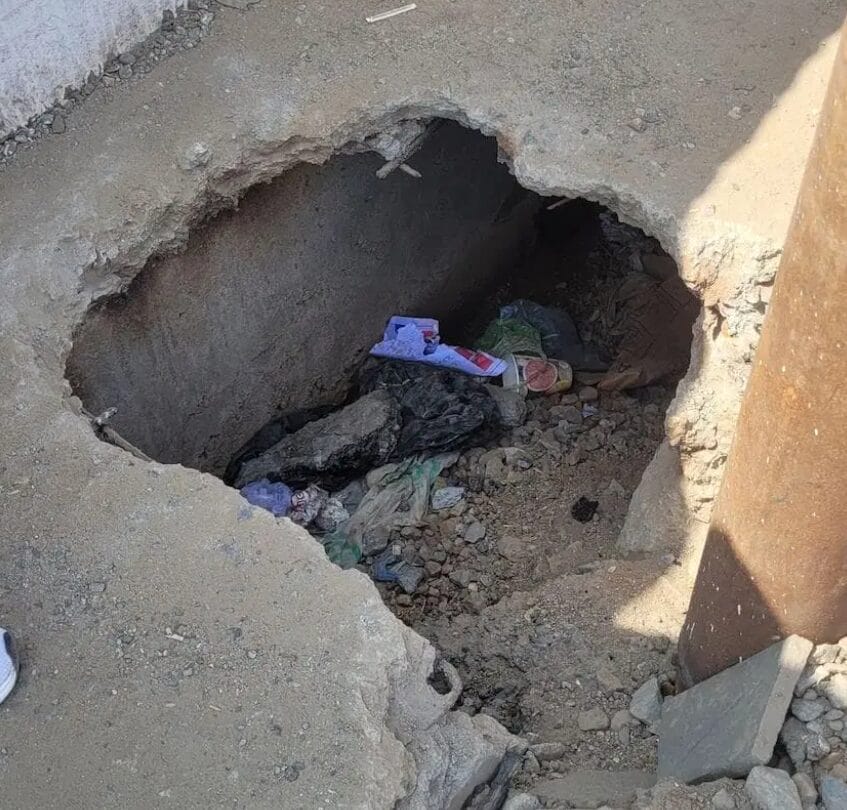
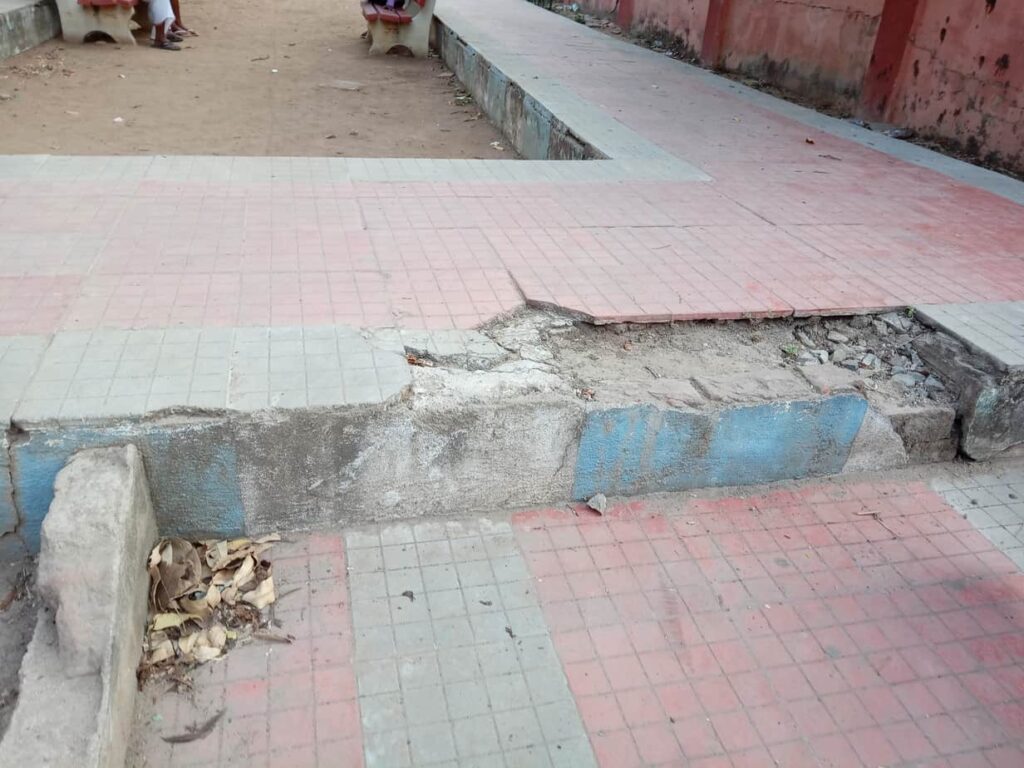
One of the main design changes that must be taken up on Indian streets relate to sidewalks. They are often uneven, dug up or encroached, forcing people to walk on the dangerous roads instead. According to the study by Patil and others, uneven, narrow, and dug up footpaths are important limiters to senior citizens’ mobility. Additionally, footpaths are often unsafe because of construction debris that has not been cleared after the work is completed.
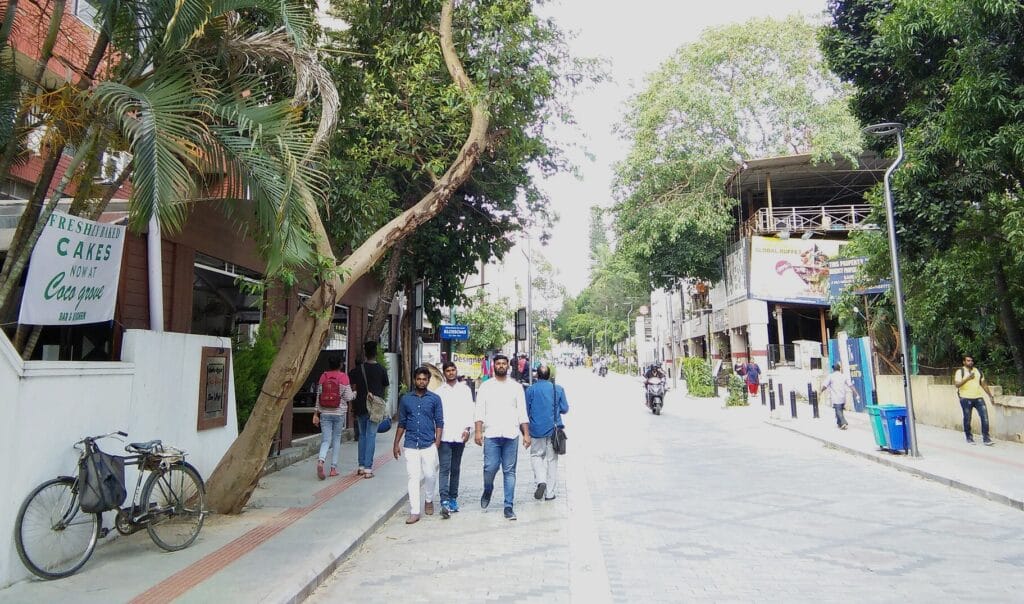
Furthermore, increasing the number of pedestrian-first or pedestrian-only areas (like Church Street in Bangalore) also has a positive effect on the number of “safe” areas that can be accessed by senior citizens.
Wide roads can also be redesigned slightly to accommodate senior citizens. The study suggests that crossing wide roads are often difficult for seniors due to their physical and cognitive decline; pedestrian overbridges are difficult to use and pedestrian green signals are often far too short and infrequent to allow for safe crossing. Sometimes, they are entirely absent even on busy crossings. Increasing the number, frequency and length of pedestrian green signals can easily and cheaply increase the ease of walking for senior citizens, even on wide roads.
Improving street lighting is one of the simplest ways by which the perceived safety of cities can be enhanced. Work by Kate Painter from the University of Cambridge has shown a vast reduction in incidents of crime on certain streets after introduction of better lighting. This, in turn, means that more people now use these streets especially at night, leading to a reduction in elderly people’s fears about crime.
Accessibility
Better wayfinding signage also makes transit easier for seniors. Having easy-to-understand inter-modal and intra-modal transfer paths is incredibly important to maintain the autonomy of senior commuters. This is done particularly well on the Delhi Metro, where transfer wayfinding is done using stickers on the floor with different colours leading from one line to another.
The accessibility of walking areas for senior citizens can be improved by including features like hand railings to prevent falls, adding shelters to walking paths that are often exposed to harsh sun, and using large icons and bright colours to aid wayfinding.
Larger changes
In the medium to long-term, there are larger changes that can be made for turning our cities into places that are actively helpful for senior citizens.
Singapore’s Urban Redevelopment Authority in association with the Singapore University of Technology and Design has shown that integrating public spaces — parks, walking paths, etc — with exercise instructions or simple cognitive games can help improve seniors’ quality of life. It keeps their motor skills honed, and may even delay the onset of dementia.
Additionally, the study found that cities can create destinations in themselves for senior citizens to mingle, for example, parks with events for senior citizens or coffee shops that seniors can go to every morning. In Singapore, this meant using areas that were previously under-utilised (like the space below a flyover, for instance), for mobile kopitams (coffee shops) which began to be frequented by seniors and facilitated social interactions.
A significant challenge in India has been the historical design of urban spaces, which are often hostile to pedestrians and favour motorists, lacking amenities like clean public toilets, sufficient public spaces, and seating areas.
In 2024, Alan Moses Anthony, Research Assistant at the “Ageing and Cities” project at the Ashank Desai Centre for Policy Studies (CPS), Indian Institute of Technology Bombay, wrote on Citizen Matters about an interesting innovation: a collaborative initiative between IIT Bombay and Dig-Design to develop an ‘age empathy suit’ (Voluntary Ageing Device – VAD).
This innovative suit aims to simulate the physical challenges faced by senior citizens due to ageing, such as hunched posture, joint stiffness, and tremors, allowing policymakers and urban planners to experience these difficulties first hand. The goal is to foster empathy and inform better urban planning that prioritises the mobility and accessibility of older populations in rapidly urbanising Indian cities.
Read more about the project: How cities can include senior citizens in planning