Wildlife film screening, photo fest marked August

Two wildlife events that marked the month of August, are featured by our columnist Deepa Mohan, in her column.

The third week of August ended with a wildlife event and a wildlife/conservation festival, both of which I thoroughly enjoyed.

The first was the screening of “Cobra King”, a documentary on the King Cobra made by Sandesh Kadur of Felis Creations

It was Gowrishankar of Kalinga Centre for Rainforest Ecology narrating the life cycle of this iconic reptile of the Western Ghats.

I cannot yet find the documentary on the net ( has it not yet been released to the wild, like rescued snakes are…?), but here is another video on the same snake from the same film maker:

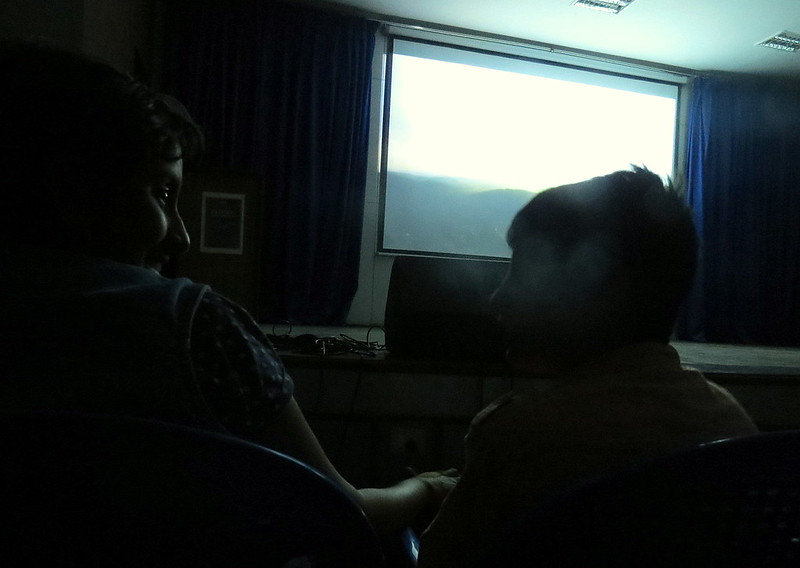
Here’s a young mother giving her son a reassuring touch during the intense parts of the film:
IMG_7513

Here is the team who created the film:

IMG_7530

The other event is one that is turning from a wildlife photography event into an annual festival that celebrates various wildlife conservation, while also indicating how much still needs to be done.

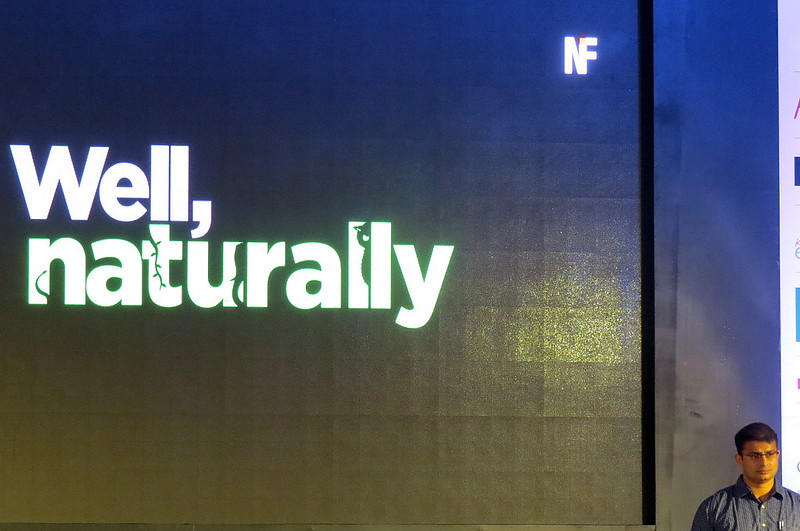
The Nature in Focus Festival

IMG_7546

Kalyan Varma, one of the co-directors of the festival, compered the event, and a smorgasbord of people associated with wildlife documentation and conservation spoke at the event.

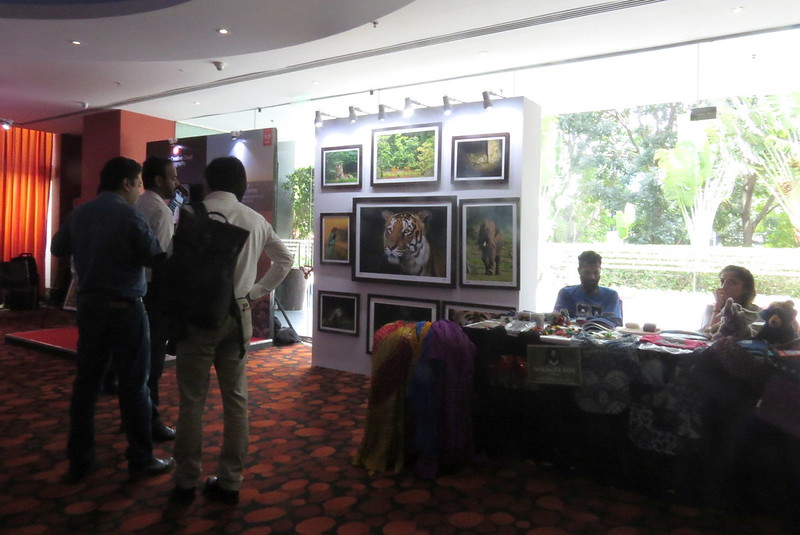
Sale of art and crafts at the event:
IMG_7542

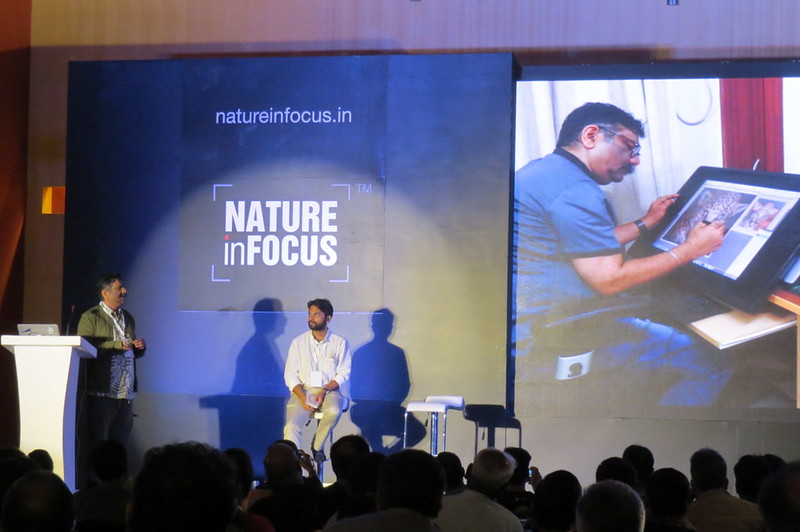
Here’s Dhimant Vyas  talking about his journey as an illustrator, in conversation with Rohan Chakravarty, an award-winning wildlife cartoonist, who later spoke (with humour, of course!) about his craft as a tool in conservation.
IMG_7551

Dhimant and others, enjoying the event:

IMG_7556

It’s a big measure of the increasing importance of this festival that it is now drawing speakers and participants from all over the world.

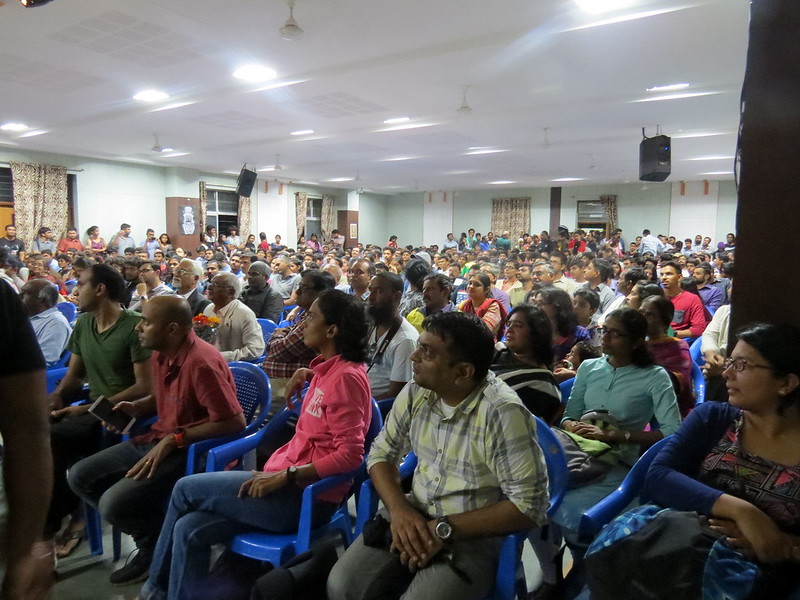
A section of the audience:
IMG_7514

Two of the award-winning photographs:
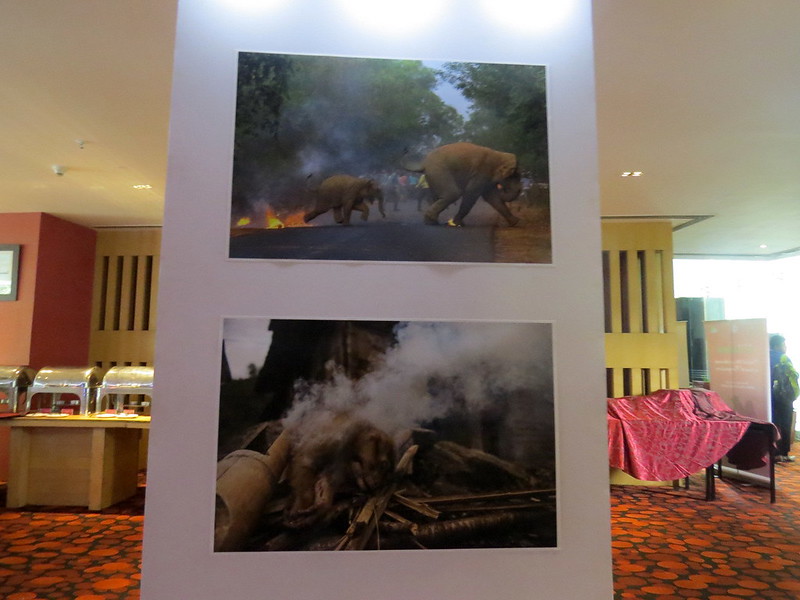
IMG_7547

An expert birder and photographer looks at the images on display:

IMG_7548

Though the major part of my wildlife experience will always be the actual visits to the forests and wilderness, such events celebrating wildlife and conservation help people like me listen to many voices both of the creatures who share this Earth with us, and the committed people who carry those wild voices to many urban dwellers who feel out of touch with the natural world.

Well, naturally!
IMG_7545

Comments:

  1. Shankar HN (Haranahalli) says:

    Well documented Deepa.

  2. Savan Kheni says:

    Very good initiative……

Leave a Reply

Your email address will not be published. Required fields are marked *

Similar Story

Mumbaikars are fighting for their mangroves. Here’s how you can join them

Mumbai is about to face a monumental loss—its mangroves are being cut to build the coastal road. Citizens, however, have not given up the fight to save them.

​“What happens when we remove this natural infrastructure of the city? What happens if it floods? What happens if the air quality (index) goes really high?” asks Pooja Domadia, a member of the Save Mumbai Mangroves campaign. These are questions that many Mumbaikars have as work begins on the Versova-Bhayandar Coastal Road, which is set to affect 45,000 mangrove trees. In March this year, the Supreme Court dismissed a petition challenging the Bombay High Court order to greenlight the cutting of mangroves for the project. Is the SC decision a fatal blow to the movement? The BMC has already begun…

Similar Story

Where are the pollinators in Bengaluru?

Despite the volumes of citizen-generated data on the city's biodiversity, pollinators who sustain the urban ecosystem do not seem to be getting their due attention.

Urban biodiversity is often discussed in terms of tree cover, lakes, or flagship species, but far less attention is paid to pollinators—the insects and birds that quietly sustain urban ecosystems. In Bengaluru, a rapidly urbanising city with a strong culture of citizen science, large volumes of biodiversity data are now being generated by the public. But what does this data tell us about pollinators in the city? This article draws from a data jam hosted by OpenCity in Bengaluru that explored pollinator observations using publicly available, citizen-generated datasets. By analysing long-term observation records and spatial data on land use and…