Living in Delhi can be hazardous these days. If the ongoing cold wave does not get you, breathing in Delhi air will probably do so, though in a prolonged and painful way. For unfortunately, the public health effects of poor air quality, coupled with Delhi recording its lowest temperature in the last two years (for which poor air quality may well be a reason) is rarely referred to when discussing ways to combat air pollution.
It would be difficult to recall when Delhi last had a clean air day, most probably for a few days during the COVID lockdown. The winter smog and pollution that usually blankets Delhi has been getting worse every year, and poor to severe air quality has become the norm. Yet, there is a sudden smugness among the people responsible for controlling air pollution in the capital.
Claims are flying around that air quality has improved in recent weeks by over 8%. This “improvement” is being attributed to the revised GRAP rules imposed for the last couple of months. Which has led the commission on air quality to even suggest that some of the more stringent GRAP rules be relaxed, despite all the expert opinion that they should remain in place all year round.
Read more: Obnoxious, toxic, a ‘silent killer’: The same old saga of winter air quality in Delhi-NCR
Living with the GRAP
To explain, after experimenting with super commissions to combat the annual Delhi air pollution crisis, the powers that be finally came up with a revised Graded Response Action Plan (GRAP) for air quality management, which is currently in force in the city.
The rules, drawn up by mandarins sitting in air conditioned rooms in one of Delhi’s many government offices are no doubt noble in its intentions and recommendations. But they are totally indifferent to the difficulties they cause to Delhi’s citizens, especially its poor. Particularly in terms of livelihoods.
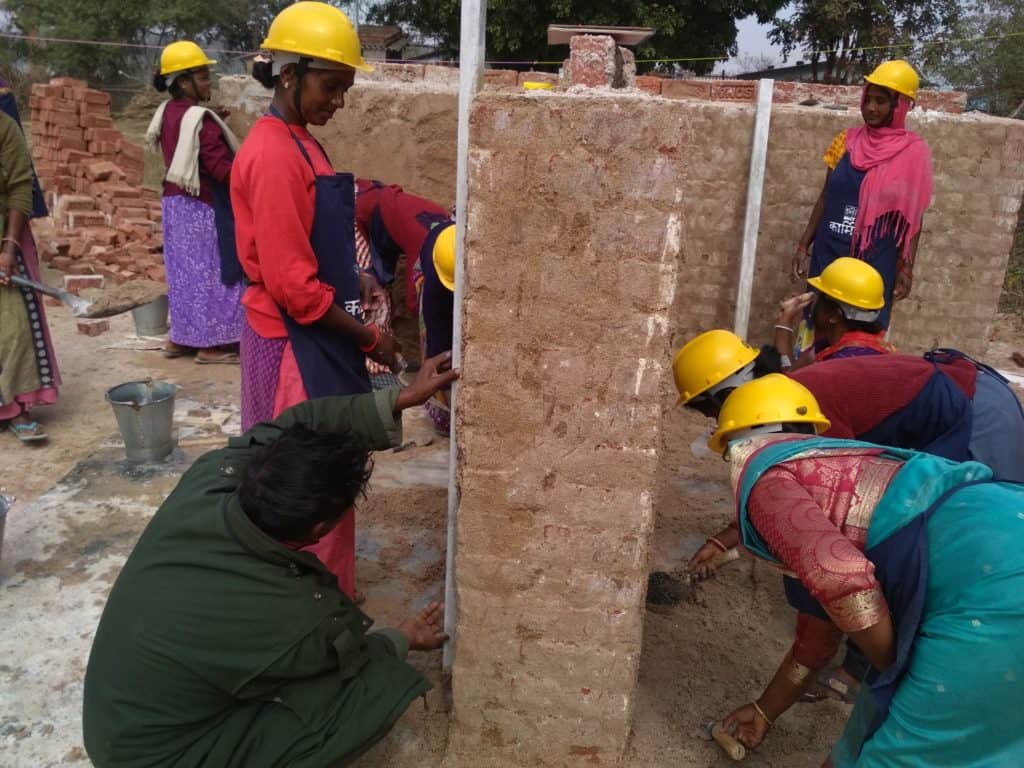
For instance, the rules prohibit construction activity, which deprives workers of daily wage earnings. They prohibit use of diesel or coal in industries, mostly small and medium units, without providing any alternative to these energy sources. Again affecting livelihoods. They prohibit use of diesel gensets in residential appartments, except during emergencies. So a sick person in the 17th floor has to be carried down to be able to visit an emergency ward.
Read more: Diesel gensets ban worries NCR residents, as permitted alternatives too costly
The rules are also tellingly silent on who exactly will be held accountable for the plan’s implementation. Not just when Air Quality Index (AQI) rises to dangerous levels as it has in recent weeks, but during the rest of the year for sustainable improvement. A step recommended by every environment think tank and expert, and studiously ignored by the powers that be. Meaning, instead of year round action, what Delhi is getting are the usual knee jerk reactions and band aid solutions.
We know the sources, but…
The reasons for Delhi’s worsening air quality are well known. It is definitely not stubble burning by farmers in neighbouring states. Vehicular and industrial emissions and indiscriminate burning of mixed waste are the main reasons.
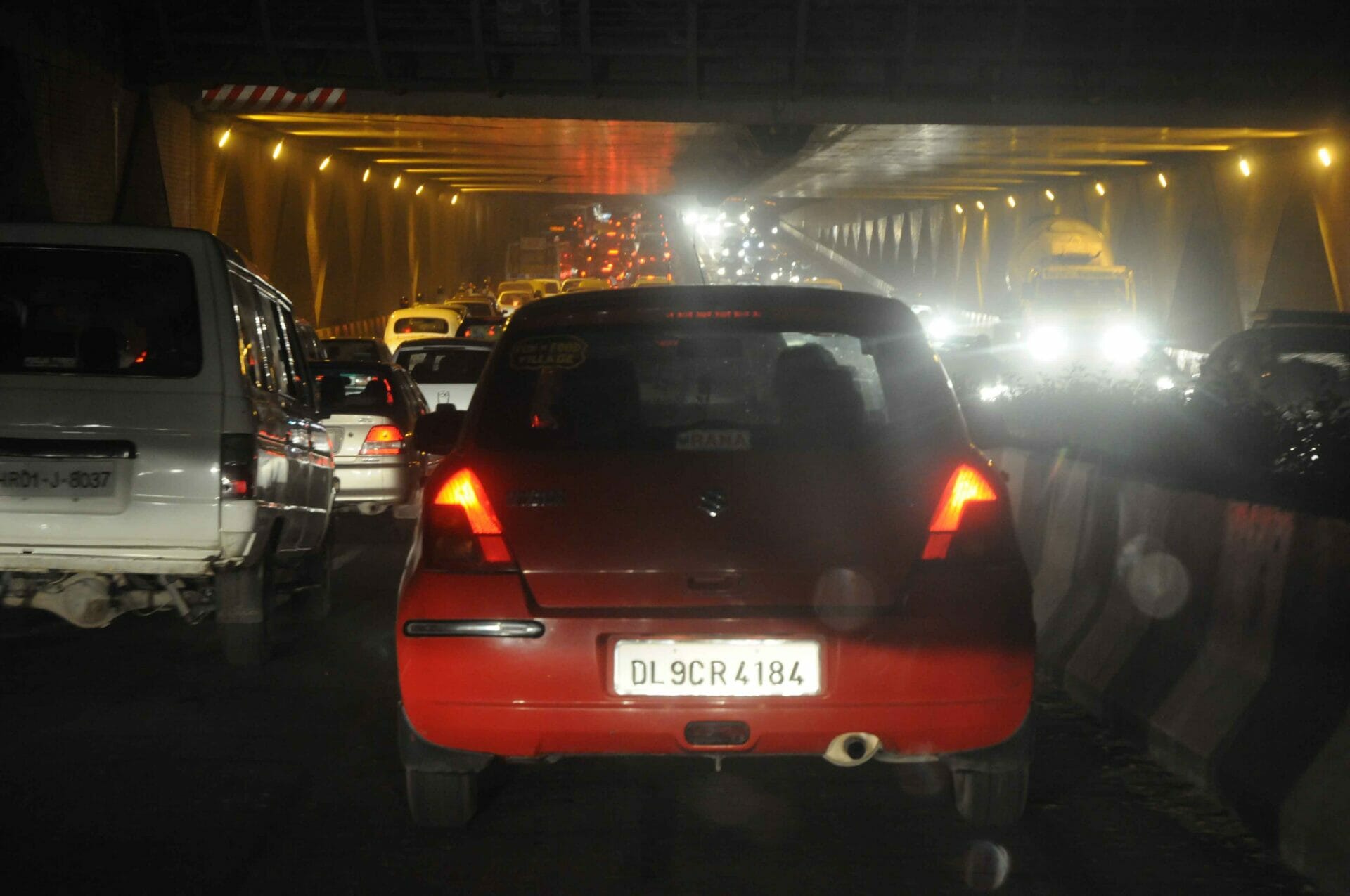
GRAP may have curbed these to some time for now. But it is only a matter of time before they return with a vengeance. And the cycle of worsening Delhi air and imposition of GRAP rules will start again.
Over the past year and more, Citizen Matters has published a number of stories on this worrying issue. And all them underline that sustainable solutions are available, none of which are rocket science. In fact, they comprise five simple steps, pointed out by CM in November 2021:
- Ramp up and improve clean energy public transport so that more people can leave their personal vehicles at home
- Cut the use of fossil fuels in vehicles and industry drastically, by suitably incentivising use of renewable energy
- Prevent burning of waste by contractors paid to collect and treat this waste
- Promote use of clean fuel for domestic use
- Involve the citizens in finding a sustainable solution
Perhaps precisely because they are simple, the authorities are either unable or unwilling to implement them.
Also read:
- Revised GRAP rules: Ban on diesel gensets hits residents, small industries hard
- Can the ban on construction really improve Delhi’s air quality?
- Air pollution in the south: Here’s what Bengaluru, Hyderabad and other cities are inhaling
- Five simple steps can improve Delhi air quality, but will citizens and governments cooperate?
- Delhi: Lapse of air quality commission confirms the devious motives behind it
- Varanasi’s horrible air quality typical of issues faced by cities of Indo-Gangetic plain
- “COVID lockdown shows air quality can improve in a matter of weeks”