A compilation of articles that critically examine the performance of the incumbent Delhi government and expectations from the government-to-be
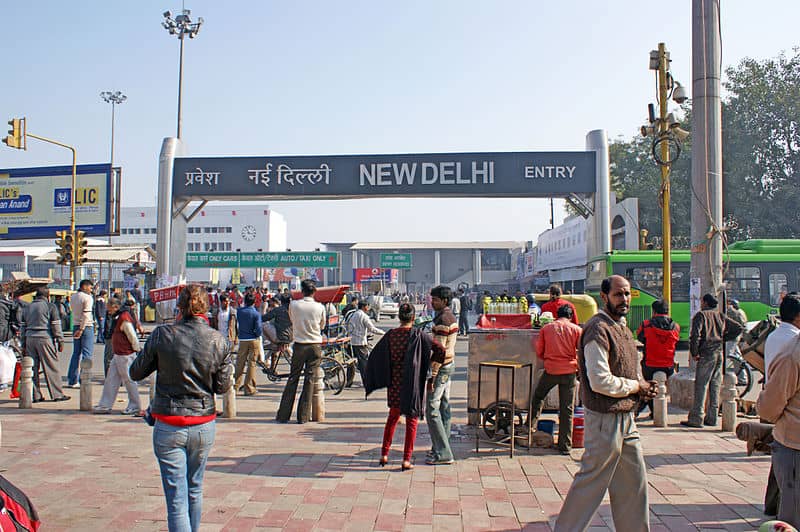
In one of the most closely watched contests in recent times, elections will be held on February 8 2020, to elect 70 members of the Delhi Legislative Assembly. As the national capital prepares to vote, here’s our special series that takes an incisive look at the performance of the incumbent government on issues most closely linked to the quality of citizen’s lives.
- What do they claim to have done?
- What do Delhiites say about these efforts and their impact?
- Has governance in Delhi seen any positive change over the last five years?
- What do the 2020 campaigns of the contesting parties focus on?
- What do citizens want from the new government?
What do the manifestos of AAP, BJP and INC promise for Delhi elections 2020?
How regularisation of irregular colonies fell flat on its face as a poll issue in Delhi
Delhi Report Card 5: How healthcare in Delhi has changed during the AAP tenure
Pollution in Delhi: What the people need and what parties have promised
FAQ for voters in the Delhi Assembly Elections 2020
Delhi Report Card 3: Enough ‘free lifeline water’ for all, but quality and impact under scanner
Delhi Report Card 2: Keen focus on education, but jury still out on outcomes
Delhi Report Card 1: Has the AAP government lived up to its promises on power?
Citizen Matters Special Projects
Making our cities better places to live in requires better understanding of urban issues, more data to drive solutions, synergies in attempts towards improvement, and sharing of best practices.
This in turn calls for sustained coverage and interpretation of initiatives, or lack of them, across cities, related to each issue in focus.
To that end, our ‘Special Projects’ series takes up one key urban topic or theme at a time, and explores it in depth — through reportage, data, interactions and op-eds.