Is junk food as hazardous as tobacco? The country’s regulator FSSAI seems to think so.
In a draft regulation published by FSSAI dated October 30 2019, FSSAI has proposed that no person shall offer or expose for sale of pre-packaged foods which are referred to as foods high in fat, salt and sugar within 50m of a school campus, in addition to ensuring that the food served within the school campus be healthy.
While this may be a timely move, when India has been ranked 2nd on child obesity, second only to China, the key lies in the implementation and enforcement. Also 50m may be too small a radius considering the results of a study conducted to understand the effect of tobacco ban, which found a better correlation (more impact) with reduced density between 100-500m.
But to come back to the crux of the issue, there are several evidences which support the link between nutrition and education. Schools are the perfect place which can act as the loci to address several issues at once. Along with impacting education they can contribute towards addressing malnutrition, sustainable development, health, food security and nutrition simultaneously through various access points and opportunities.
Unfortunately, until now the issues of food safety, better diet and healthy choices have largely been neglected in the schools of our country. According to a research paper published in the Journal of Clinical and Diagnostic Research a study done on the high school children shows that 97.3% of the school children were fast food users of which 14% consumed it every day.
According to another article in the Indian Journal of Public Health, a study done by the researchers at the All India Institute of Medical Sciences shows that the most popular HFSS (High in Fat, Salt and Sugar) items among the school children are chips (71% children included in the research preferred them), followed by chocolate (14%), baked goods (13%), soft drinks (7%) and sugary drinks (5%) The HFSS foods are usually energy dense and have relatively little nutrient content. Most of the food served at the school canteens and cafeterias today fall under this category.
Figures from the Atlas of Child Obesity published by the World Obesity Federation shows that India will have around 27 million obese children by 2030. Accessibility and proximity to junk (fast) food is one of the major reasons for growing incidence of obesity in school children. Fast food is popular because it is convenient, it is cheap, and it tastes good. But the real cost of eating fast food never appears on the menu.
In an effort to tackle these issues FSSAI published the Draft Regulations on Safe Food and healthy diets for School Children. The time for providing suggestions and objections is now past the 30-day period and it remains to be seen what the final regulation will come out to be. But considering that the issue relates to public health, schools should gear up to become more accountable for the kind of food that is being served within and around their campuses.
The right way
Schools need to understand that vendors that they choose must have valid FSSAI license and they must make themselves compliant with requirements of sanitary and hygienic practices listed in Schedule 4 along with other requirements of Food Safety Standards.
They must promote Safe Food and Healthy Diets amongst school children and convert the school campus into an “Eat Right Campus” focusing on local and seasonal food and no food waste as per the specified benchmarks.
The student will now be entitled to free safe drinking water in the school. Schools also have to watch out for the amount of oil or fat being used in cooking. The FSSAI wants to set the limit to not more than 25g per day. Reheated fats must be avoided.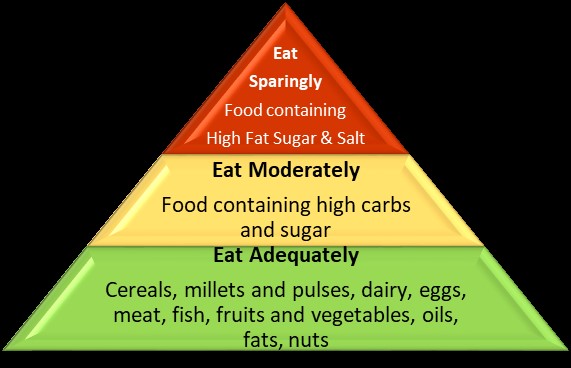
As per the “Dietary Guidelines for Indians – A manual” issued by the National Institute of Nutrition to be served at the school canteens and cafeterias, a balanced diet should provide around 50-60% of total calories from carbohydrates, preferably from complex carbohydrates, about 10-15% from proteins and 20-30% from both visible and invisible fat. Meals must provide 300 – 500 kcals of energy, 18 – 20 g of protein and with micronutrients from fruits, vegetables or fortified staples, while snacks must provide 100 – 150 kcals per serving.
To enable this, school authorities may appoint Health and Wellness team to monitor the availability of safe, healthy and hygienic food. When the final regulation is rolled out, State Food Authority officials will conduct periodic inspections to check the school’s compliance.
| Also read: |