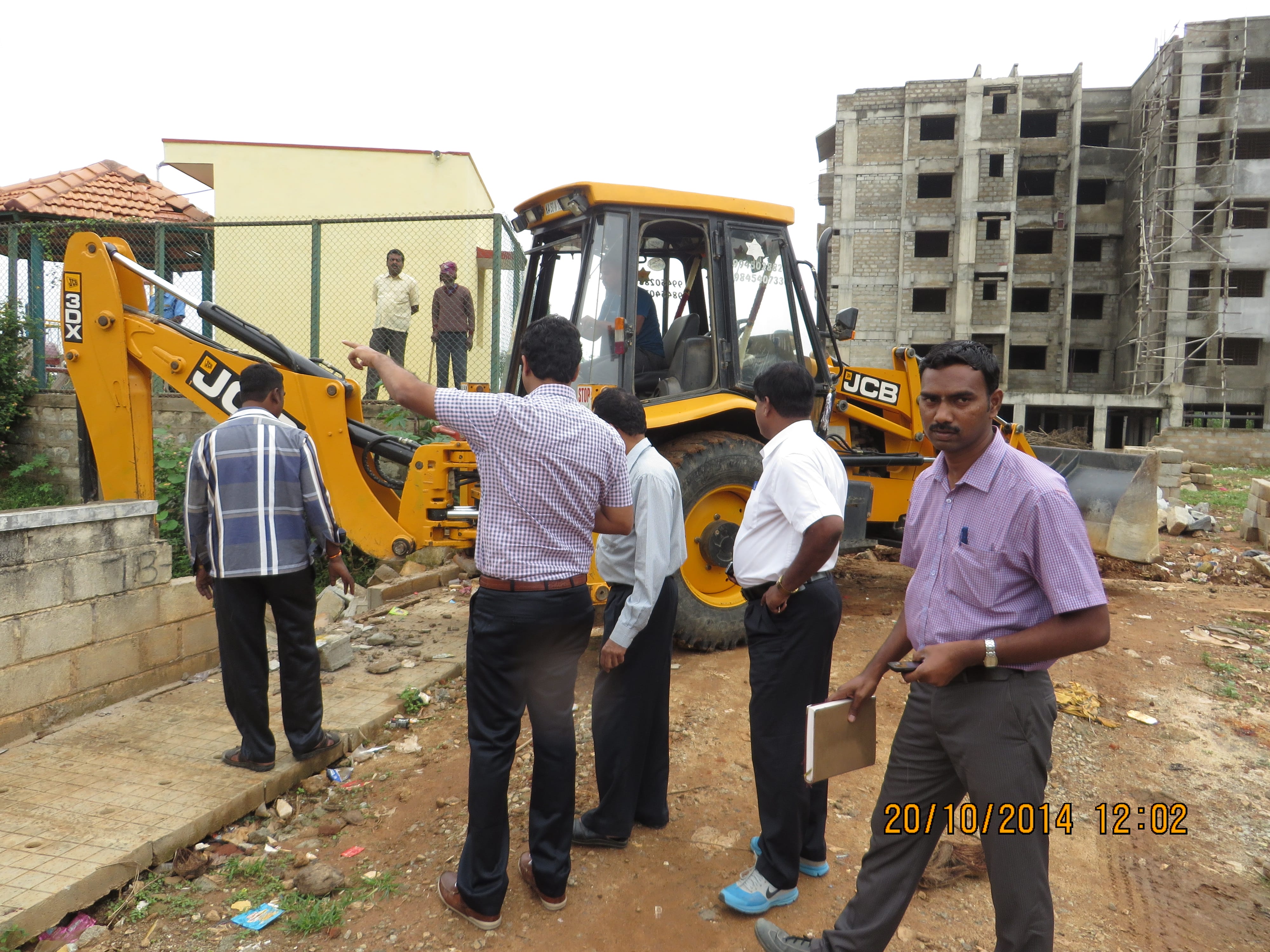
Portion of Allalasandra Lake encroachments cleared

Yesterday (20th October 2014), the BBMP, Revenue Department and BMTF with support from local Police cleared around 20% of the encroachments around the Allalasandra Lake. 
 
Around 4.1 acres of the 44 acres of lake was encroached. During this demolition drive over six illegal houses and compounds were demolished and close to 1 acre of lake area was recovered. 
 
Yelahanka United Environment Association (YUVA) had taken the lead by submitting complaint letters to Deputy Commissioner, BBMP and BMTF. BBMP and the Revenue Department had conducted a joint survey of the lake two months back and marked the lake area and BBMP had issued notice to over 50 unauthorised constructions around the lake.
 
Thasildar and BBMP has indicated that the balance encroachments would be removed within the next one month as notices have already been served to the encroachers around the lake.
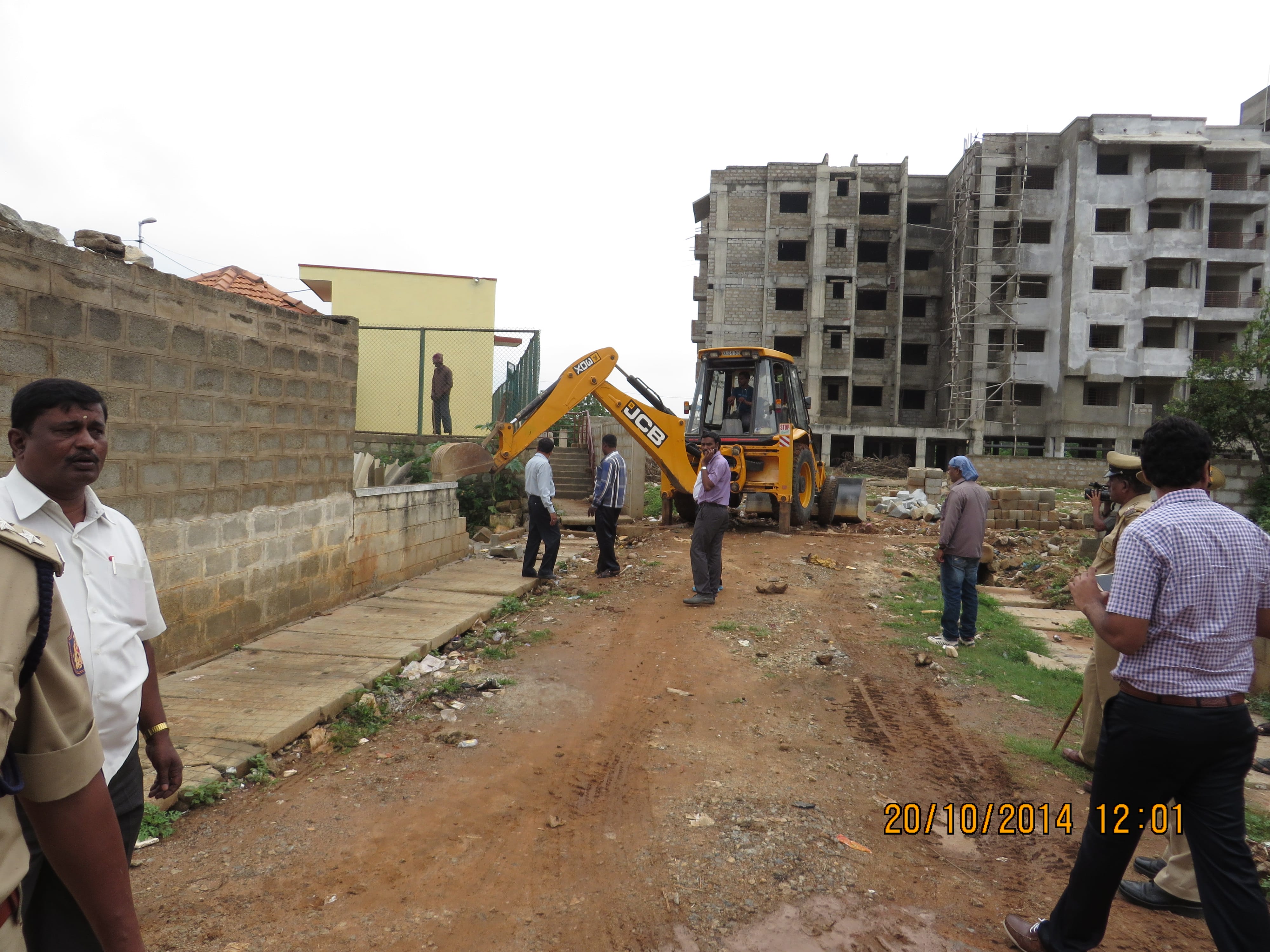
 

 Demolition in progress (pics: Jagadeesh Giri)


Leave a Reply

Your email address will not be published. Required fields are marked *

Similar Story

Explained: How Mumbai is losing its tree cover to infrastructure projects

Mumbai's landscape is changing with big infra projects. Experts suggest better use of government plots and improved street design to retain green cover.

Long before Mumbai’s relentless summer even began this year, the city was already simmering. In March, Mumbai was hit by a severe heatwave, with the temperature reaching a five-year high of 40° Celsius. As rapid urbanisation and a flurry of infrastructure projects replace dense tree cover with steel and mortar, heatwaves seem to have gone from being rare occurrences to an annual threat.   The Mumbai Metro Rail Corporation Limited (MMRCL) cut a whopping 3,093 trees in Aarey Colony to make way for Mumbai’s Aqua Line ( Metro 3). For environmentalist Stalin Dayanand, this is not just a temporary problem.…

Similar Story

Notes from the field: Why Begur Lake is losing its waterbirds

71% of waterbirds at Begur Lake are declining. A visit to one of Bengaluru’s rapidly deteriorating lakes shows what's causing the collapse.

During the Open City biodiversity datajam held in December 2025, our group examined the ecological trends around Bengaluru’s lakes. Our analysis suggests a majority of waterbirds are declining across the city's lakes. Earlier, we addressed crucial questions on how migrant and resident waterbirds are surviving across 14 of Bengaluru’s lakes, how the shape of the lakes influence microhabitats, and how a scoring system can be used to record the decline in lake quality and bird populations. The last of our four-part series turns its attention to an individual site. As part of this study of waterbirds in 14 city lakes,…