PNLIT had requested volunteers to help with the planting of a few indigenous saplings at the Puttenahalli lake on Saturday 15th September. The process involved digging or expanding the existing pits, planting the saplings, filling with red soil and compost and if found necessary, securing the saplings with tree guards.
Prasanna Vynatheya’s report on the activity:
We had a successful day this morning at the Lake planting the saplings.
It was encouraging to see our friend Pankaj who had cycled all the way from Whitefield to give us a helping hand. There were many others including Meera, Prashanth & wife from 24th Main, Dhaval & wife Gargee all the way from Koramangala, Vani from Cassia, Vivek’s friend (he’s been at the lake before and helped a lot) and of course PNLIT team Vivek, Vijay, OPR, Nupur and young Vishnu who joined after completing his home work. Thank you Arathi for your Facebook announcement, we got most of them from there.
In all we planted 18 saplings and most of them got tree guards around them. These saplings included: Mango, Shivani, Muthuga (Flame of the Forest), Banni, Red Sandal, Parijata, wild Asoka and nati/country variety of Panerle (also called Paneer fruit). Sapana got her little daughter to plant a 5 ft tall Mango sapling as a birthday gesture.
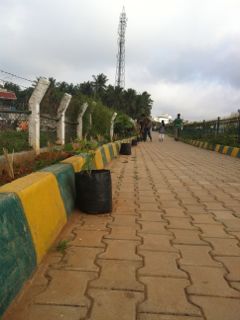
Saplings lined up for planting Pic: Pankaj Dugar 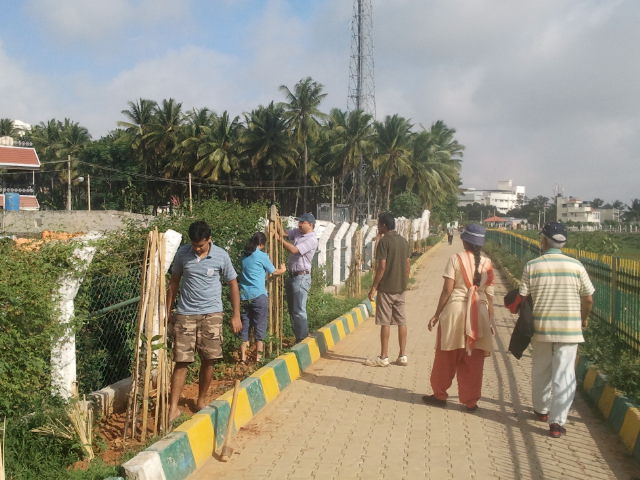
Saplings with guards Pic: Nupur Jain
Sapana Rawat adds:
Aditi, on whose 6th birthday we did a nature walk around the lake last year, turned 7 recently and has been wanting to plant a ‘nice’ tree, got her wish fulfilled this morning. She had a great time along with her younger sister Mahiti. They both want to come every Saturday to plant trees :-).
Many thanks to Vijay for letting them tag along, Pankaj for taking their pictures, and of course the Uncle with a big cap (Prasanna) and the ‘older’ uncle (OPR).
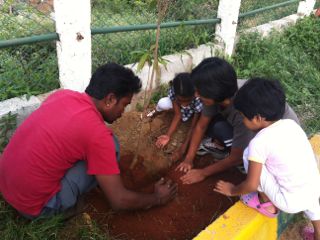
Aditi planting a birthday sapling Pic: Pankaj Dugar
More photos taken by Pankaj Dugar can be see here.
⊕