Bird-beaks reveal eating habit!

Nature has designed beaks of various shapes and styles to enable the birds to eat what they are used to.

When we watch birds, one of the fun things to do is to observe them and trying to figure out what they are likely to eat. How, you may ask, can one find out what a bird is likely to eat, by looking at it? The answer is, look at the bird’s beak!

Bird’s beaks come in different shapes and sizes, and each is designed to help the bird get the kind of food that it is used to.

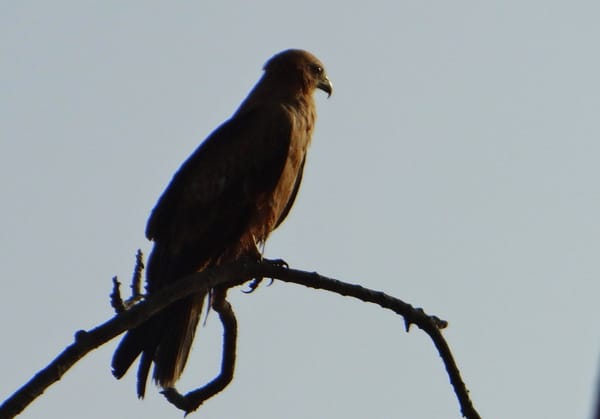
All predatory birds (raptors) have sharp hooked beaks that help them tear up the flesh of their prey, which could be other birds, rodents or snakes. Here’s an Oriental Honey Buzzard, showing the shape of the beak:
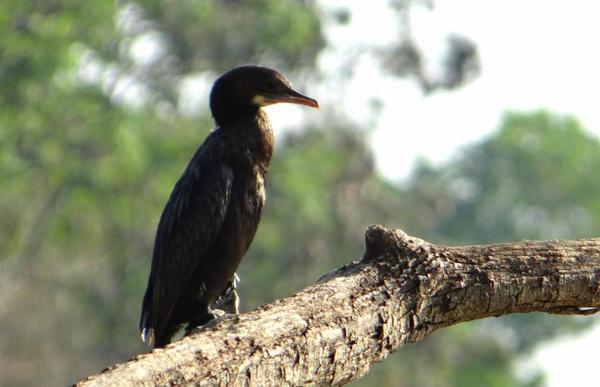
Some birds dive and fish in the water, and they have beaks that help them with fishing. This Little Cormorant is an example:
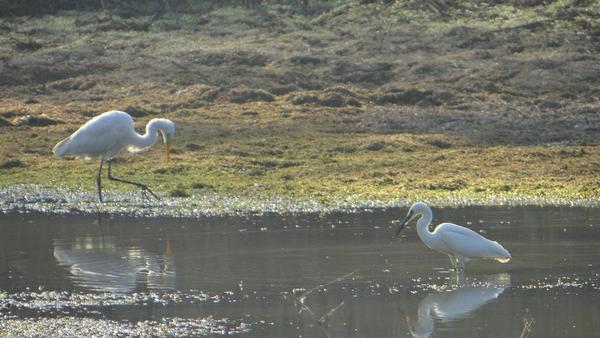
Waders, such as Egrets, have long beaks which they push into the shallow water to find fish, insects and frogs.
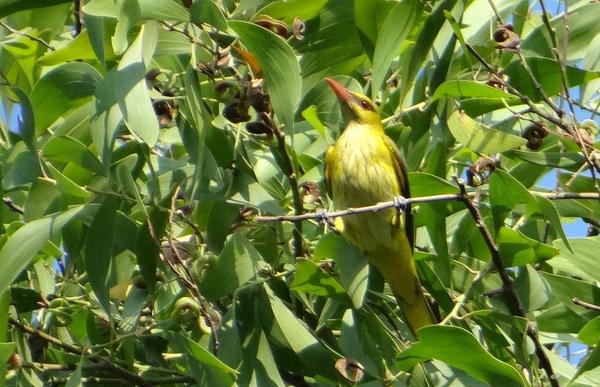
Some birds feed upon fruits or buds from various trees. This Eurasian Golden Oriole has the kind of beak-shape that is suited to this kind of diet:
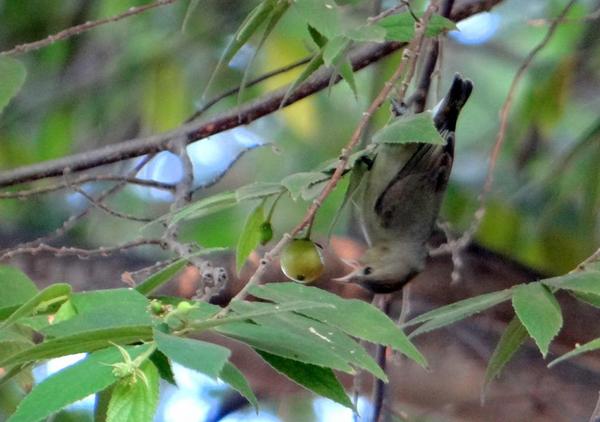
Flowerpeckers are tiny birds that also like to eat fruit, but they like to peck into it and devour of the fruit. Here’s a Pale-billed Flowerpecker, on a Singapore Cherry (also called the gasagasa mara in Kannada), which is about to attack a fruit:
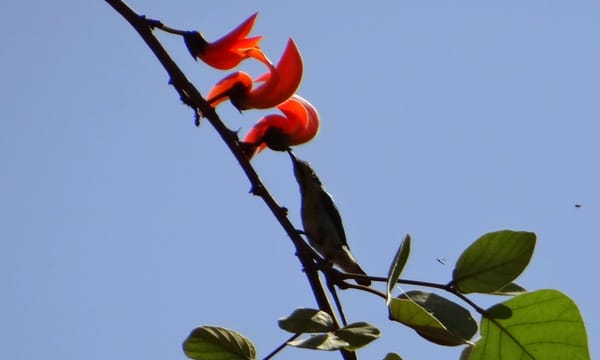
Sunbirds are nectar-drinkers. They pierce the bottom of the flowers and suck the sweet nectar. In this image, you can see the typical curved beak of the Purple-rumped Sunbird (along with the Flowerpecker, one of the smallest Indian birds), as it lands on the flowers of the Flame of the Forest, or Palash:
Some birds have beaks that also enable them to crack open nuts and harder seed-pods. This Rose-ringed Parakeet shows that kind of beak:

Birds like the Hoopoe have beaks specially adapted to digging out insects from the ground:

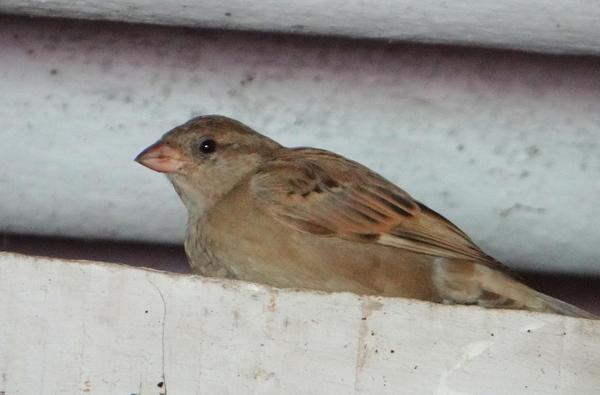
Sparrows, such as this House Sparrow, have beaks that are used to pick up seeds, dehusk them and then eat them up:
It’s fascinating to observe birds and predict their eating habit by the look of their beaks. Do try it on your next walk!

Comments:

  1. Nallar Vaijayanthi says:

    Dear Deepa,
    Real nice article and nice pictures too. Can you please give names of the birds in Kannada ? Or give a link.
    I love your write ups Thank you so much.

  2. Nallar Vaijayanthi says:

    Dear Deepa, Lovely write up and even lovelier pictures. Can you please give the names of the birds in Kannada? Thank you so much for the article.

Leave a Reply

Your email address will not be published. Required fields are marked *

Similar Story

முதல்வர் சீக்கிரம் அடிக்கல் நாட்ட வேண்டும் என்பதற்காக அறிவியல்  ஆய்வுகளைப் புறந்தள்ளுவதா?

CRZ clearance has been granted for a new drinking water reservoir in the naturally formed coastal salt marshes in Chengalpattu near Chennai.

செங்கல்பட்டு மாவட்டம், திருப்போரூர் மற்றும் திருக்கழுக்குன்றம் வட்டங்களுக்குட்பட்ட வருவாய் கிராமங்களில், இயற்கையாக அமைந்துள்ள கழுவேலி, உப்பங்கழி நீர்நிலையில், புதிய குடிநீர் நீர்த்தேக்கம் அமைக்க CRZ அனுமதி வழங்கியுள்ளது மாநில கடற்கரை ஒழுங்குமுறை மண்டல ஆணையம். இத்திட்டத்தின் முதல் கட்டத்தில் நெம்மேலி, கிருஷ்ணகாரனை, தண்டலம், பட்டிபுலம், திருப்போரூர், மாமல்லபுரம், சலுவான்குப்பம், பையனூர் ஆகிய வருவாய் கிராமங்களுக்குட்பட்ட 4375 ஏக்கர் பரப்பளவில் வருவாய்த்துறை, நீர்வளத்துறைக்குச் சொந்தமான இடங்களில் நீர்த்தேக்கம் அமைக்கத் திட்டமிடப்பட்டுள்ளது. 1.655TMC கொள்ளளவு கொண்ட இந்நீர்த்தேக்கம் மேற்கூறிய கிராமங்களைச் சேர்ந்த 50 ஆயிரத்துக்கும் மேற்பட்ட மக்களின் குடிநீர்த் தேவையைப் பூர்த்தி செய்யும் எனவும் அருகாமை கிராமங்களின் வெள்ள பாதிப்பைக் குறைக்கும் எனவும் அரசுத் தரப்பில் கூறப்படுகிறது. Map showing components of the Kovalam reservoir. Pic courtesy: Tamil Nadu Water Resources Department. இத்திட்டத்திற்கான விண்ணப்பத்தை 17.11.2025 அன்று  தொழில் நுட்ப  வல்லுநர் குழு பரிசீலித்தது. 20.11.2025 அன்று  மாநில கடற்கரை  மண்டல ஆணையம் விண்ணப்பத்தைை பரிசீலித்து CRZ அனுமதிக்கு பரிந்துரைக்கிறது.…

Similar Story

Buyers and sellers in Koyambedu Market face health risks from winter air pollution

IIT-M study records winter PM2.5 spike in Koyambedu market; stakeholders flag vehicular emissions and the need for hyperlocal data.

As sweater weather arrives, winter brings purple December flowers, fresh Ooty carrots with slivers of roots, and crisp Kashmiri apples to Chennai’s Koyambedu Wholesale Market Complex (KWMC). Much before dawn, workers unload crates of seasonal produce, and retailers vie for the best prices at Asia’s biggest market place for perishable goods. For the last 15 years, Murugan*, a parking personnel at the flower market's gate, has witnessed the coming and going of seasons, flowers, customers, and trucks. Most of all, he has seen the cityscape change with the addition of flyovers, bridges, cars, and metro construction. This December, a combination…