Located along the borders of Chennai, Chitlapakkam Lake was a source of freshwater that was used by the residents of Chitlapakkam and nearby areas. With the urbanization of the neighbourhood, the lake has become a receptacle of garbage and debris.
Chitlapakkam Rising, an NGO, along with the local Residents’ Welfare Associations and other NGOs, namely the Environmental Foundation of India and Arappor Iyakkam are trying to save the lake which has lost more than half its original area.
As a step towards that, a social audit conducted by Harris Sultan of Arappor Iyakkam with the help of the Chitlapakkam Rising group and local residents explored the encroachments, sludge-filled inlets, outlets and sluice gate along the lake.
Residents spoke of various ways in which they were affected by the conditions in the lake and its vicinity. Sewage water from east and west Tambaram flow into the Chitlapakkam Lake, leading to contamination of the water. Skin allergies and other water-borne diseases are a regular affair as the drinking water has also become polluted. None of the political parties or authorities have responded to the situation so far.
https://www.facebook.com/Arappor/videos/943856535753379/
“So far, the audit has been effective in several instances with the local residents’ support. The lake can definitely be rejuvenated if 3% of the affected residents join hands and fight for the lake. The lake is encroached by garbage, government buildings, temple, buildings built by the residents in the name of charity and so on. Before starting to desilt the lake, the inflow of sewage water must be curbed for which we need to work with the Town Panchayat,” said Harris Sultan at the end of the audit.
The photos below capture the sorry state of Chitlapakkam Lake and its surroundings today:
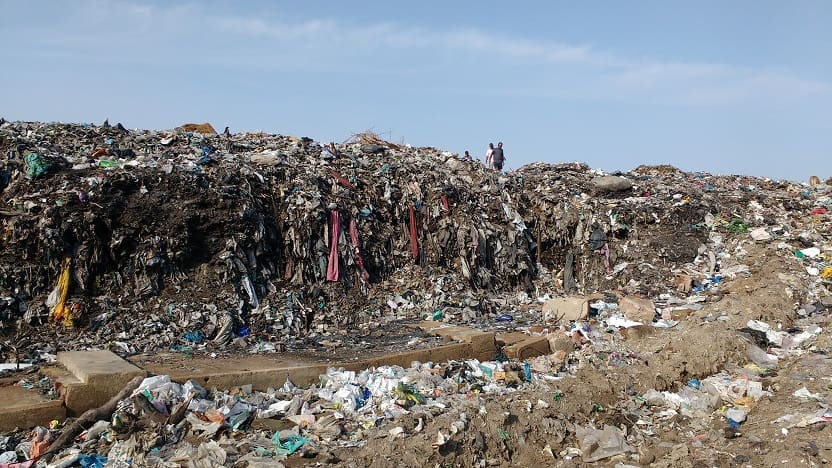
Mounds of garbage collected from Chitlapakkam and other neighbouring areas being dumped in Chitlapakkkam. Wondering where the lake is? Pic: Bhavani Prabhakar
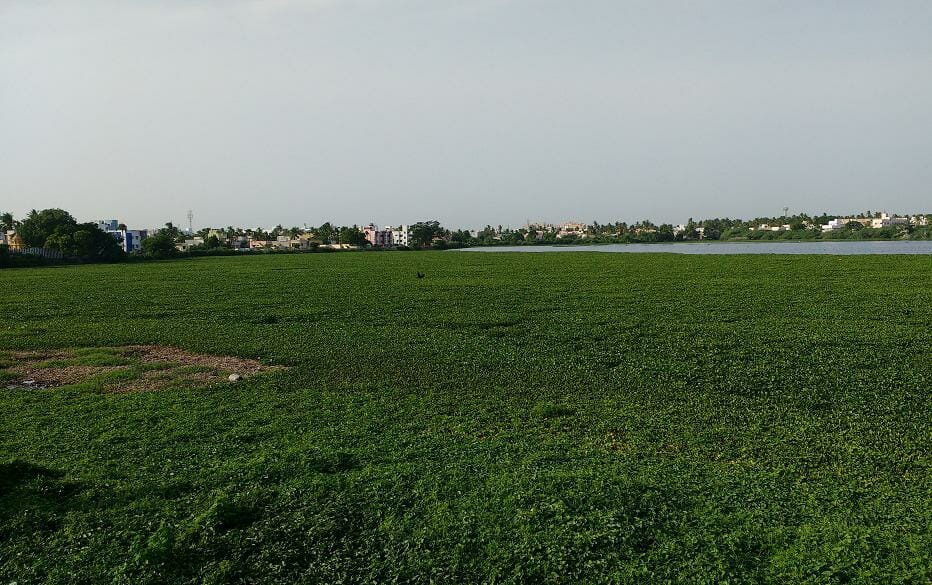
Eureka! A test to your stamina and trekking skills, but climb the debris hill and you will find this lake filled with water hyacinth, that indicates the presence of sewage water. Pic: Bhavani Prabhakar

A bio pit was built at the cost of Rs 15 lakh adjacent to the garbage to treat the sewage water, but lies ineffective! Pic: Bhavani Prabhakar
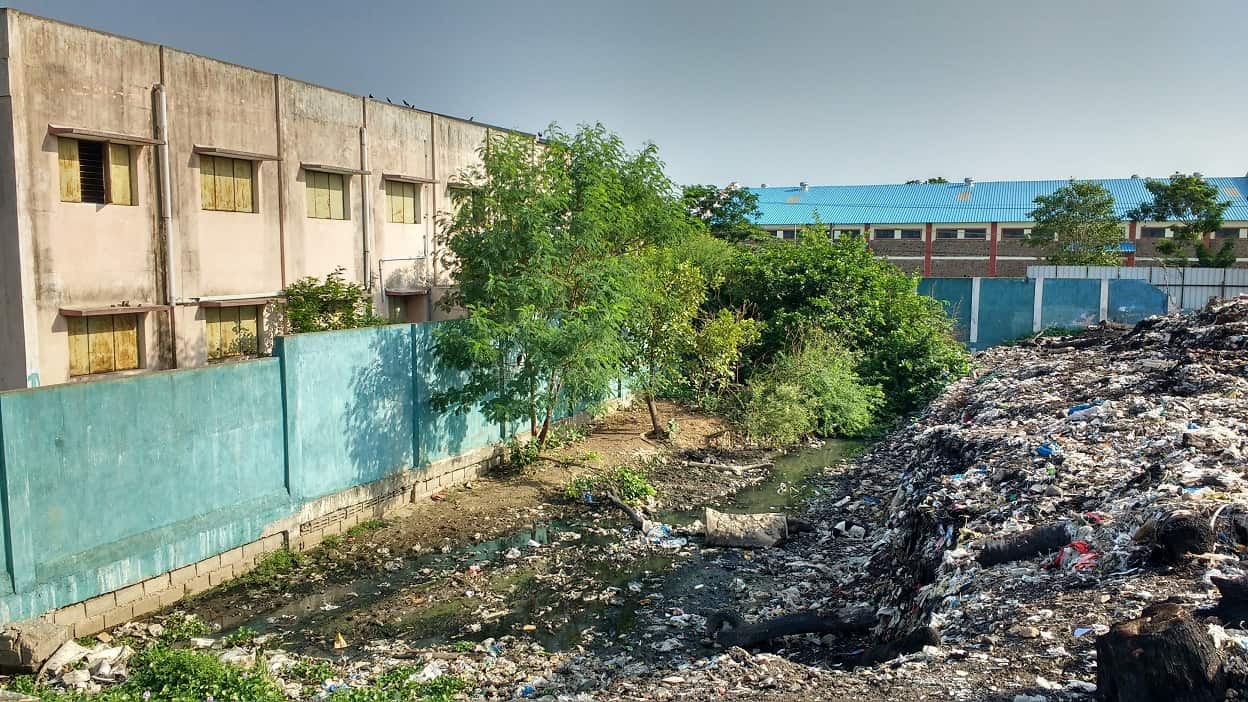
Would you send your kids to the school that’s located next to the lake? But kids do study in this school, with the windows shut owing to the stench the garbage generates. Pic: Bhavani Prabhakar
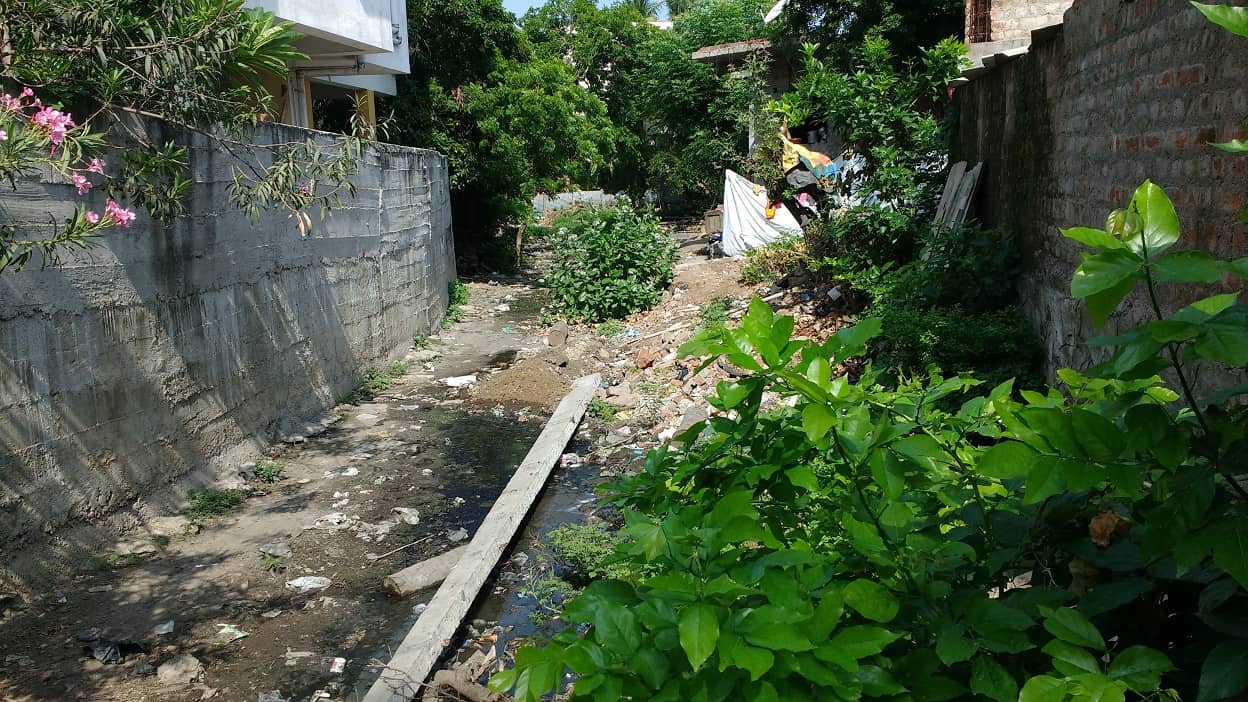
The outlet of the lake—another place that is deserted and is filled with sludge. Pic: Bhavani Prabhakar