Mumbai schools reopening on January 24th
Schools across Maharashtra are reopening on Monday, January 24th, after agreement from Chief Minister Uddhav Thackeray. According to Varsha Gaikwad, Maharashtra School Education Minister, schools have been instructed to follow COVID-19 protocols strictly.
“After COVID cases rose, the government decided not to continue with the school (offline) sessions. But after discussion with the experts, it has been decided to start the sessions where the number of cases is low based on the local COVID-19 situation,” Ms Gaikwad said.
Source: NDTV
BMC finalises ward boundaries for 236 seats, elections to be held in March
On January 20th, the Brihanmumbai Municipal Corporation (BMC) finalised the demarcation for 236 electoral wards in the city. According to a senior official, they plan to increase three seats across the city in eastern and western suburbs, followed by the island city. Polls are likely to be held by March end.
“The term of the current elected corporators will get over by March 7. Hence, in this case, we have to take a call whether an administrator will have to be appointed for the time being or not,” a senior BMC official said.
Due to COVID-19, the BMC will increase polling booth numbers from the current 8,500 booths to around 11,000 booths.
Source: Hindustan Times
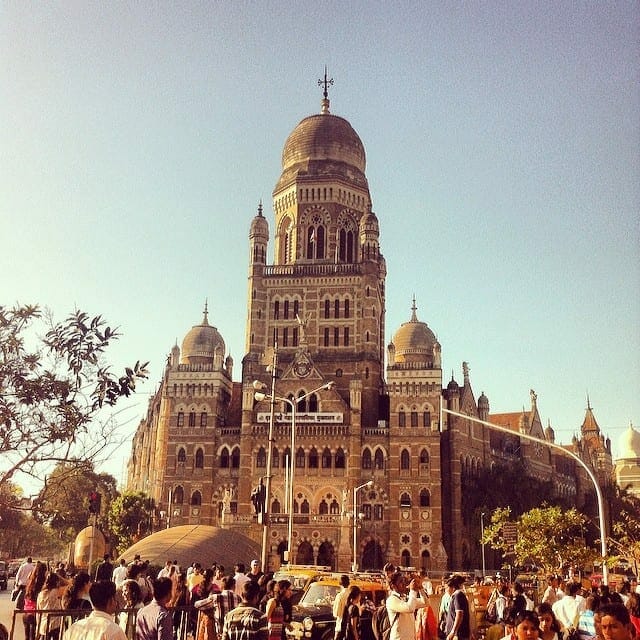
COVID-19 cases under control, according to BMC
The BMC on January 19th told the Bombay High Court that the COVID-19 infection in Mumbai and its surrounding areas is under control. Adding that the daily count of new cases has recused from around 20,000 10 days ago to 7,000 on January 18th, the corporation asserted there is no need to panic.
“Although number of positive cases were rising between January 6 and 9, there has been a gradual decline thereafter so much so that as on January 18, the number of positive cases reduced to 7,000,” senior advocate Anil Sakhare appearing for the BMC told HC.
Source: Hindustan Times
Read more: How prepared were Mumbai’s hospitals for the third wave of COVID-19?
Tuberculosis detection in Mumbai improves
After the first year of COVID-19 disrupted the BMC’s campaign to detect TB cases in the city, the civic body bounced back in 2021 to improve early detection of patients. 58,642 cases were detected in 2021.
“When the second wave started, the footfall of patients dropped to 4,000 in March 2021. Since last May, we started getting more patients which gradually increased to 8,000 and by last December, we recorded over 12,000 patients,” said Dr Pranita Tipre, in-charge of TB at the BMC.
TB-related deaths declined in 2021, with 2,380 fatalities and a fatality rate of 4 per cent. The BMC traced over 1,000 migrants, contacted their local TB health department in other states, and facilitated medication for them.
Source: Indian Express
Mucormycosis case resurfaces in Mumbai
After the black fungal infection worsened the impact of the Delta variant in the second wave of COVID-19, a case of it, called Mucormycosis, has resurfaced in the city.
A 70-year-old COVID-19 patient, admitted to a south Mumbai hospital, on January 12th, developed the infection on the third day and needed elaborate debridement (removal of affected tissues) surgery on cheeks and around the eyes. In this case, the underlying reason for the infection was uncontrollable diabetes, unlike the second wave where misuse of steroids caused severe infection.
Source: The Times of India
(Compiled by Saachi D’Souza)