We, the citizens of Mumbai are extremely thankful and grateful to Mumbai’s Municipal Commissioner’s extraordinary leadership during this Corona Pandemic. In most of the actions, they have taken citizen’s voice at the centre of decision-making and particularly while overseeing the “chase Corona” policy.
This piece is regarding the agents responsible for collecting the Mask Penalty of Rs 200. (Read about the penalty here.)
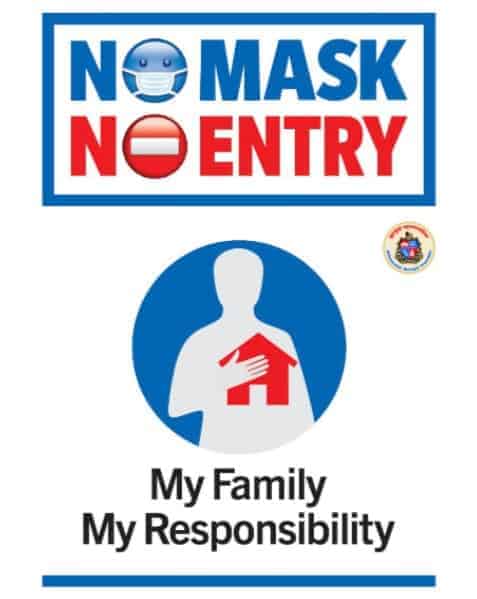
Taking strict measures to check on the spread of coronavirus, Municipal Corporation of Greater Mumbai (MCGM) imposed strict rules for people travelling in public transport and visiting shopping malls in September 2020. It also announced that people who are not wearing masks will not be allowed entry inside public transport buses, taxis and rickshaws. The BEST buses pasted ‘no mask, no entry’ stickers. Municipal Corporation of Greater Mumbai outsourced agents responsible for collecting the Mask Penalty.
Some Observations:
1. Local governance thrives on civic engagement (i.e the municipality working along with communities to protect public values or make a change in a community). The key missing element in the Mask Penalty is that it believes in punitive action rather than education and collaboration.
2. The behavior of outsourced agents responsible for collecting the Mask Penalty has gone from bad to worse. They are keen on policing and trapping gullible people rather than educating citizens. The main aim seems to be collecting penalty. After collecting the fine, seldom is a free mask provided to the citizen.
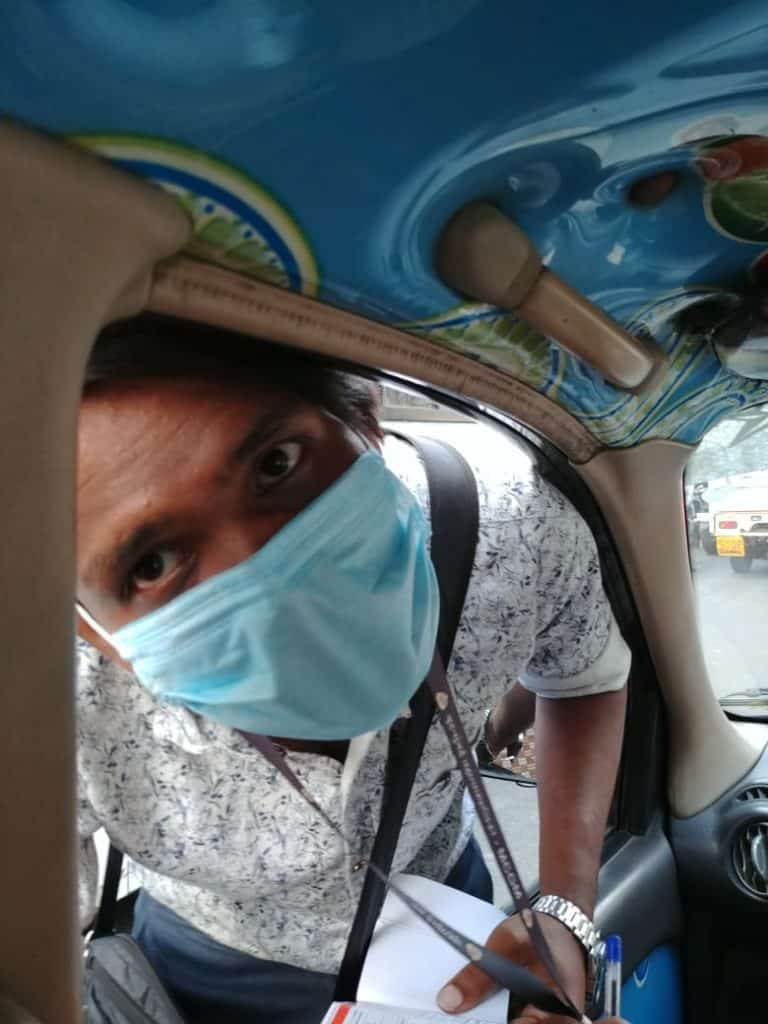
3. Many of these fine collectors do not have any previous experience in voluntary work or civic engagement. The country has invested in the youth through national level programs like the NSS, NCC, Youth Red Cross, Nehru Yuva Kendra, Swami Vivekananda Youth Movement and other local youth associations. It would have been a better policy decision to involve them in the mask enforcement and citizens education drive.
4. It would be great if MCGM spells out as what educative programs / citizen engagement activities it will bring out from the penalty money collected. Right now, other than the BEST bus sticker, there is hardly any mass advertisement or material being circulated to general public.
5. Full and detailed rules on the Mask Penalty, the code of conduct for penalty collection agent, complaint and grievance redressal contact details needs to be mentioned in the MGCM official website in the main page as FAQs.
We look forward to a policy review on mask penalty and implementing “my family – my responsibility” framework. We agree that the Municipal Commissioner’s innovative leadership will promote principles of civic engagement, accountability and transparency. In closing, the MCGM has made a great deal of progress in the last year to tackle Corona pandemic, but much work remains.