Photo essay: Flamingo city in Navi Mumbai

This is the best time of the year to catch the flamingos and other winter migrants in Mumbai.

It is magic at the DPS Lake these days. Located near Palm Beach Road behind Delhi Public School, Nerul in Navi Mumbai, the lake is home to many different species of birds. At this time of the year, the flamingos stand out and they are there in thousands!
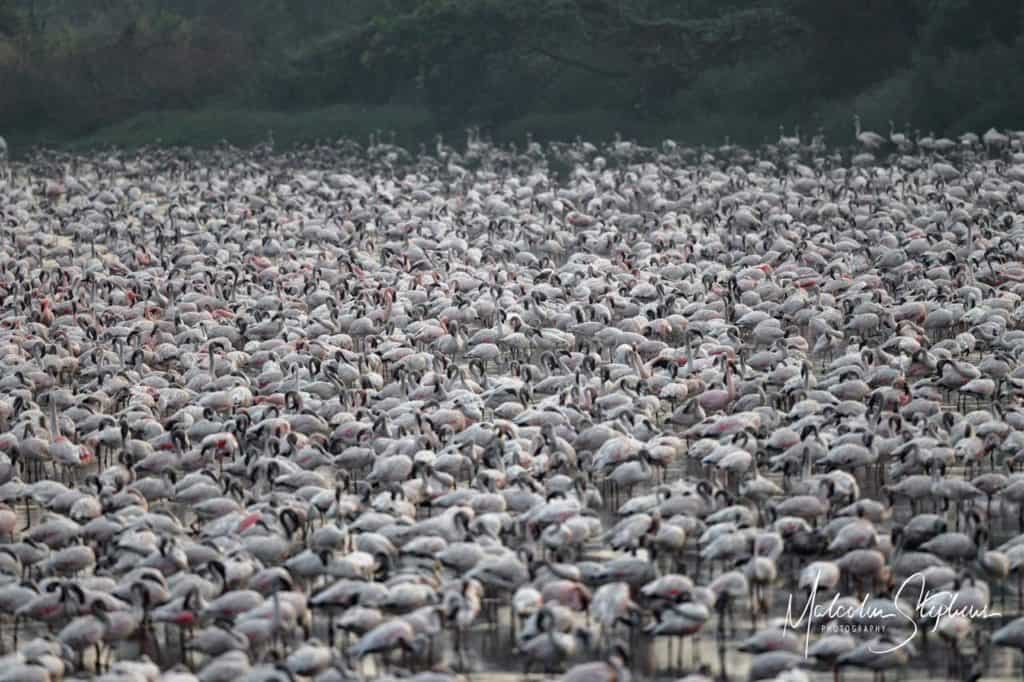
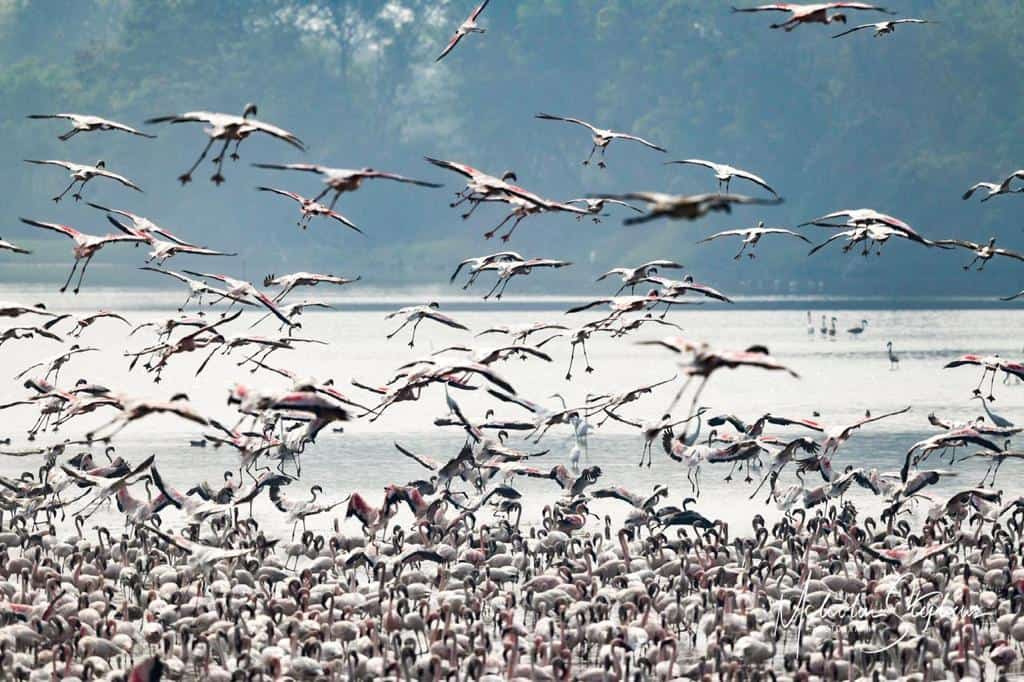
Flamingo City. (Pic: Malcolm Stephens)
(Pic: Malcolm Stephens)

Greater and Lesser flamingos fly in to Mumbai every winter from Kutch, Gujarat and Sambar Lake, Rajasthan. They are also known to come from other countries such as Pakistan, Afghanistan and Iran. The winters are harsh there, and apart from the warmth, the shallow waters at the mudflats at various spots in the Greater Mumbai area provide them with the algae, fish and other food that they thrive on.
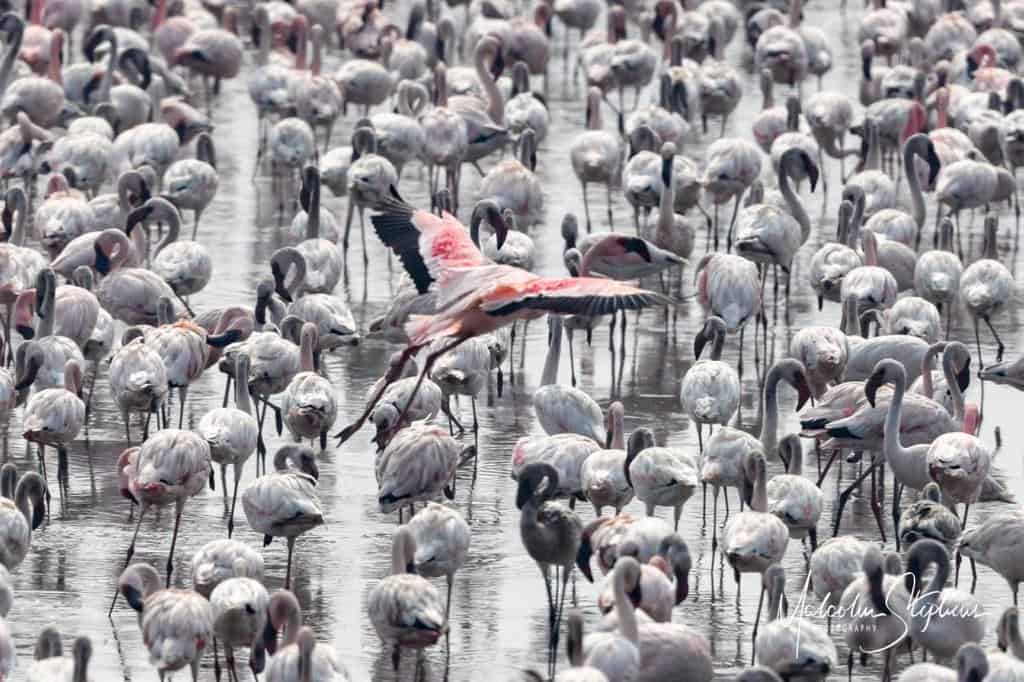
(Pic: Malcolm Stephens)

About a decade ago, the area was identified as potentially great for a residential and commercial project. Today, the lake still exists only because of citizen activism and subsequent orders of the Bombay High Court.

Whenever I see these wonders, I remember with gratitude, the residents of the area who fought to keep this space “undeveloped” and protected.

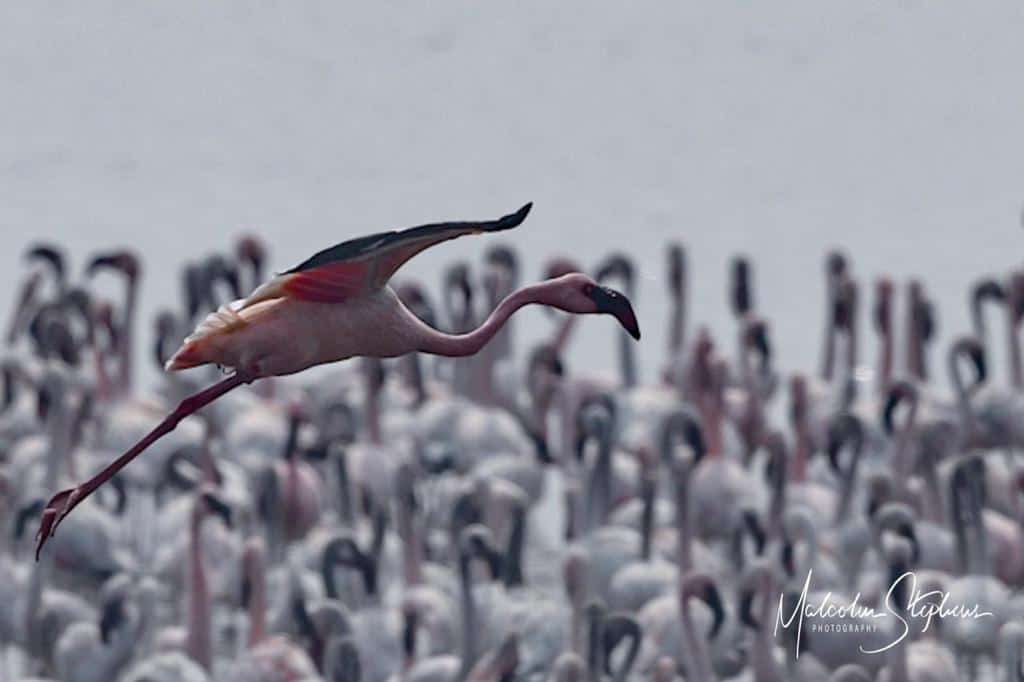
(Pic: Malcolm Stephens)

The sight at DPS Lake the other day was breath-taking. For a short time, all the flamingoes were facing in the same direction. My friend Rattan observed that they probably were waiting for the signal from their leader to take off.
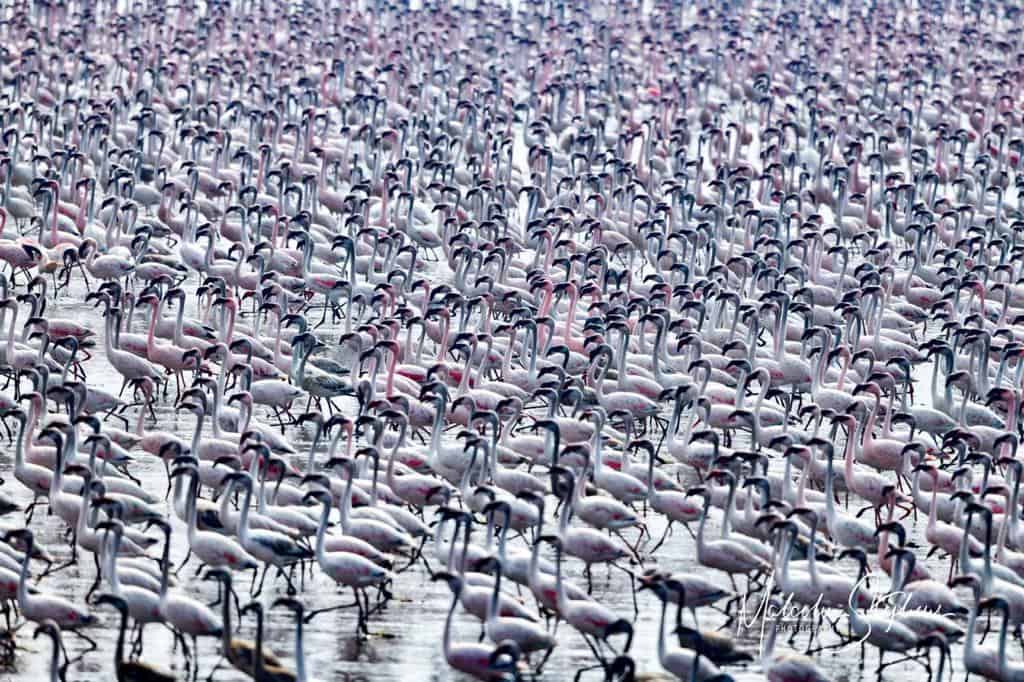
Waiting for the leader’s signal. (Pic: Malcolm Stephens)

The lake soon got overcrowded and many flew away, probably to Talawe Wetlands and the T.S. Chanakya maritime campus. These are the other spots in our neighbourhood that flamingos love.
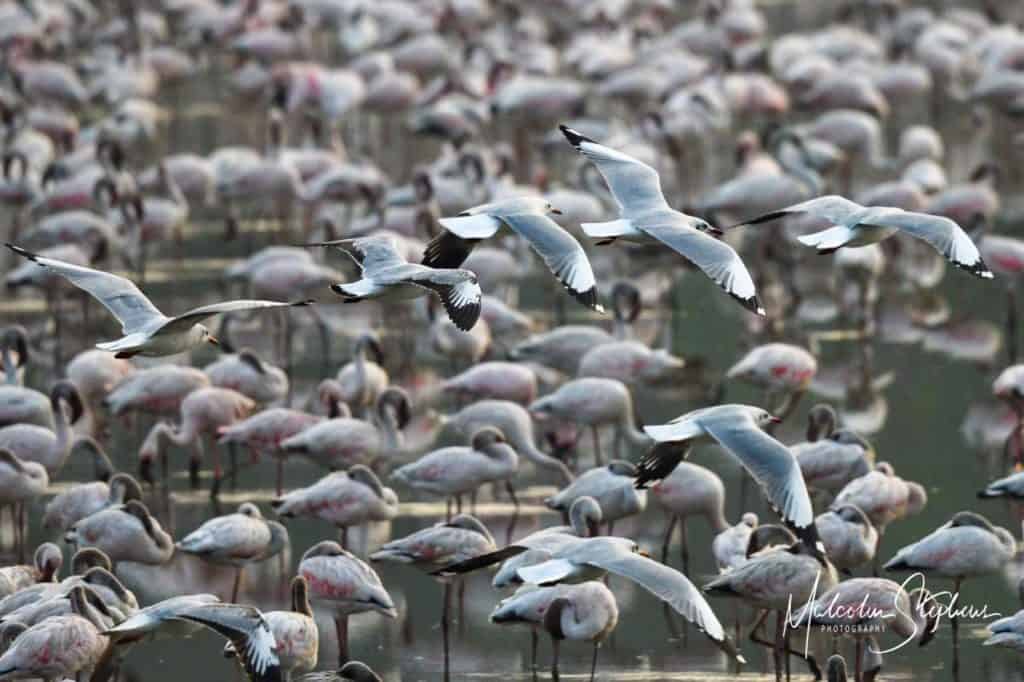
Seagulls flying over the flamingos at DPS Lake. (Pic: Malcolm Stephens)

Flamingo habit is constantly under threat. The mangroves that line our coastline are under threat. But we people living in the area are committed to make the magic last forever.

Also read:

Comments:

  1. Valsa says:

    Great write up, accompanied by stunning pictures. Kudos to the citizens for preserving the lake and to Malcolm Stephens for highlighting the wonderful annual flamingo migration.

  2. Vimala says:

    Do they come in the afternoons?
    At what time?

    Please let me know so that I can take 15 mins to reach DPS lake

  3. Anurag Sood says:

    Beautiful pics and superb writing. Congrats and keep it up.

  4. Bina Eapen. says:

    Awesome pics by Malcolm. Thanks to the citizens who preserved the wetlands for the beautiful birds who arrive year after year.

Leave a Reply

Your email address will not be published. Required fields are marked *

Similar Story

From Kuruvimedu to Besant Avenue, how Chennai breathes unequally

Ahead of the art exhibition ‘Pugai Padam’, this photo essay captures the contrasting realities of air and the lived experiences of air pollution in Chennai.

The chimneys of the NTECL Vallur Thermal Power Station, billowing smoke, loom over Kuruvimedu in Ponneri, Thiruvallur near Chennai. Wedged between the plant and its sprawling 300-acre ash pond, the hamlet lies under a blanket of kari (coal) and sambal (ash), coating its narrow streets, colourful homes, and trees. Kuruvimedu is hard to find on Google maps, just as its namesake bird. The main road leading to this place is flanked by factories and industrial complexes, its surface riddled with potholes that make every journey dangerous for motorists.  Home to mangroves, networks of canals, and fields, Kuruvimedu once buzzed with…

Similar Story

Pallikaranai’s 1-km buffer zone sparks debate on housing rights, encroachment and ecology

On World Wetland Day, Chennai's Pallikaranai marsh shows how decades of state‑sanctioned encroachment leave residents and ecology at risk.

Across Pallikaranai marshland, migratory birds can be spotted, searching for forage and water. Yet the wetland they depend on has steadily depleted. As Chennai has grown in an amoeba-like manner, ebbing with the promise of ‘development,’ the marsh has borne the brunt. In the 1990s, the marsh covered 2,450 hectares, nearly 70% of its original size. Today, barely 500 hectares remain. In recent years, the marshland has often entered public discourse. In September 2025, Chennai Metropolitan Development Authority (CMDA), acting on an order from the southern bench of the National Green Tribunal, halted planning permission for development within the Pallikaranai…