Blessings come in many forms.
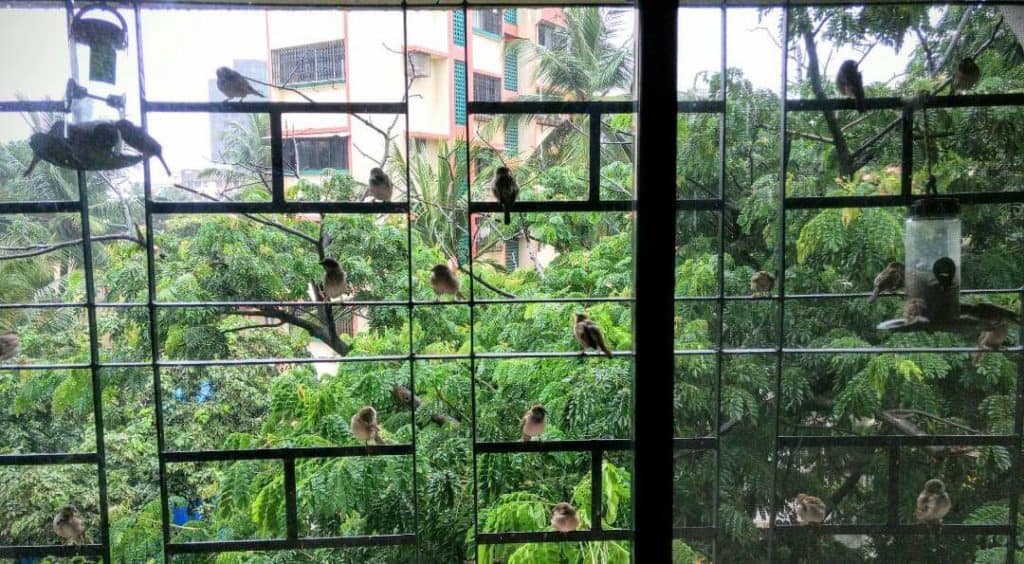
For the citizens of IC Colony, Borivali West, it is the chirping of birds, waking up to their melody, watching their daily routine and witnessing different species inhabiting amidst them.
Before the lockdown, only crows, pigeons, and a few other birds were visible, but lockdown brought a welcome change. Lockdown restricted human movement and this encouraged birds to come out from their hidden spots, fly freely and enjoy the pollution-free environment. “Due to the lockdown, I could spend more time watching the birds around. It helped me remain calm. Bulbuls and mynahs frequently come to my window. They have become my alarm clock,” said Edward D’Silva, a passionate birdwatcher from the area.
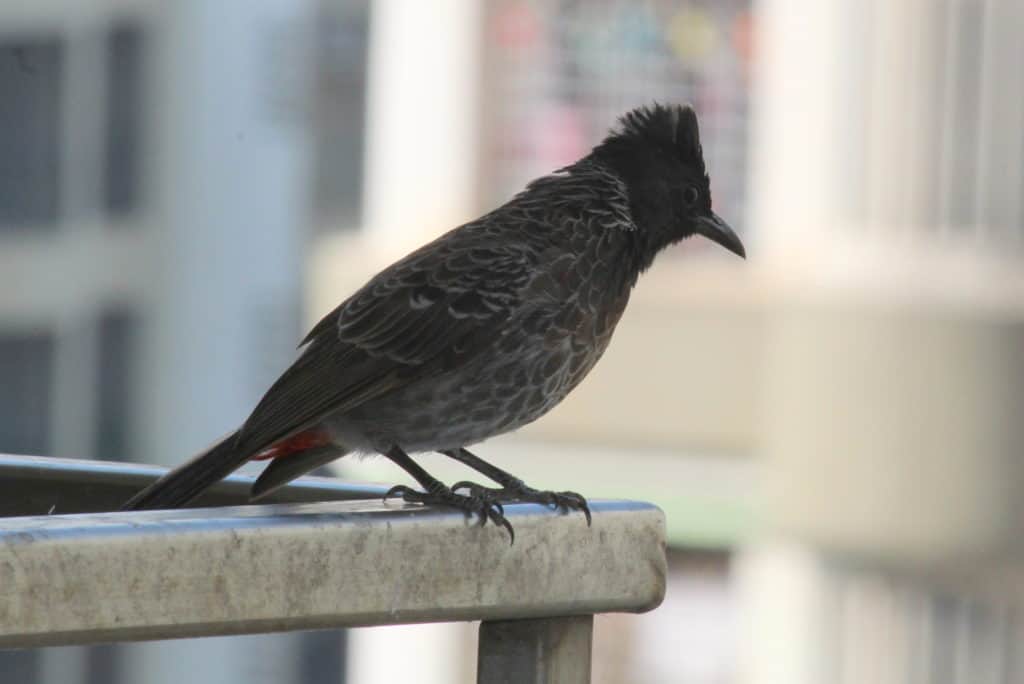
According to a study, ‘Impact Evaluation of Covid-19 Pandemic on Environmental Attributes’ by the Maharashtra Pollution Control Board (MPCB), Mumbai saw a sharp decline in air pollution levels from March 21 to June 1. The report further stated that the Air Quality Index (AQI) improved from moderate to satisfactory in almost all locations of the city.
This is a huge boost to urban aviary creatures.
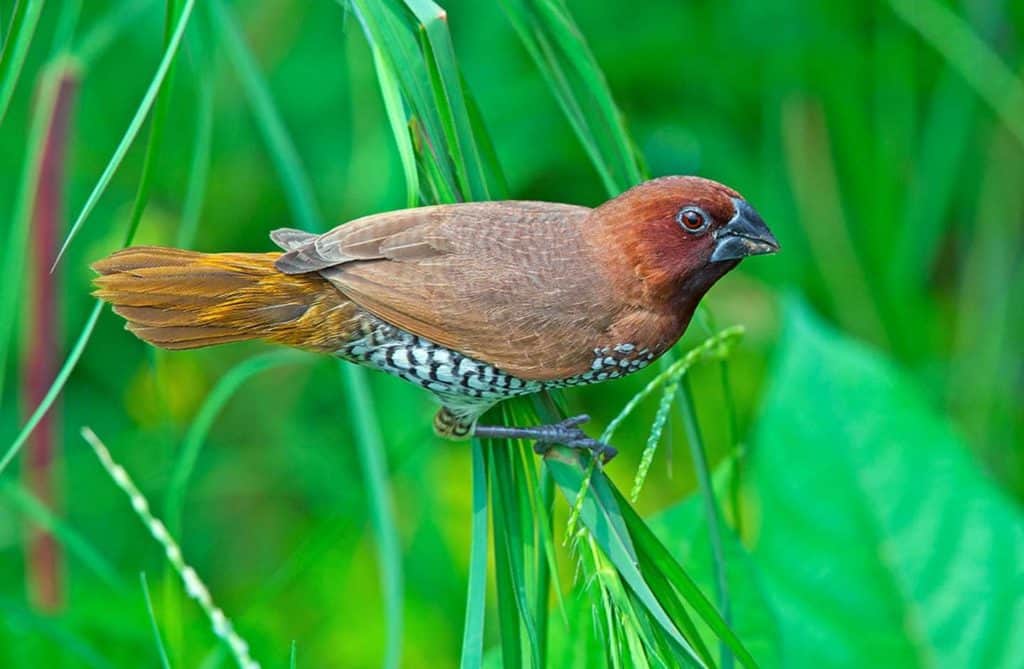
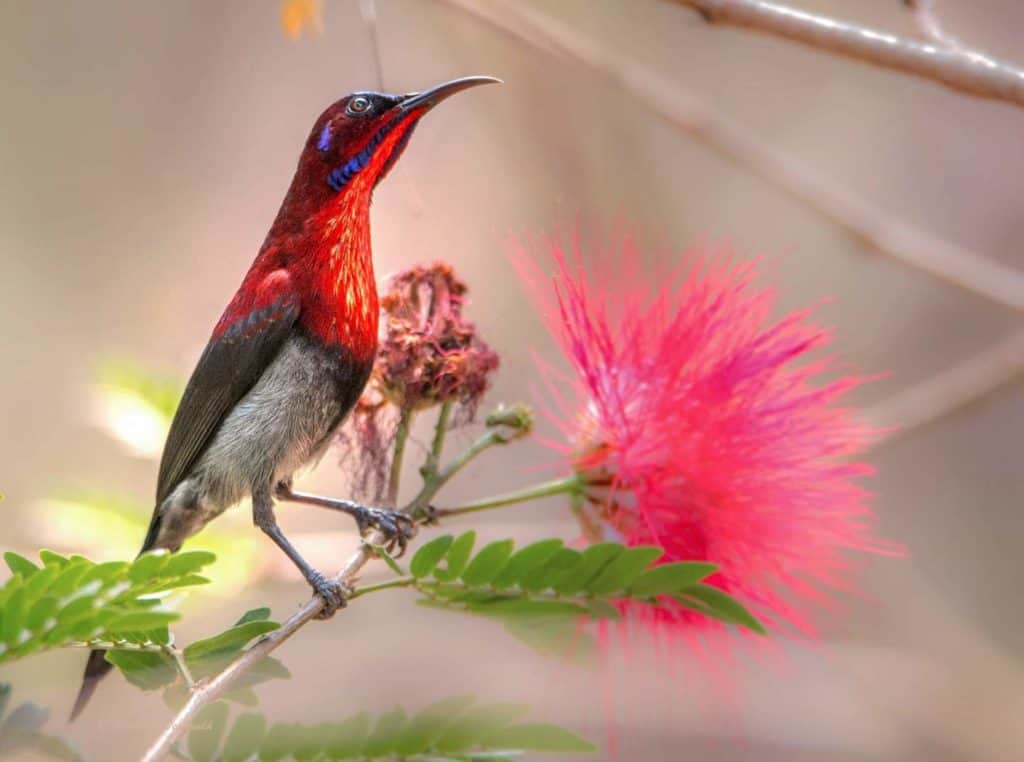
For many, bird watching has been a new and therapeutic activity. From the screeching of the parakeets to the hammering calls of the Coppersmith barbets, the birds have surprised and entertained young and old. “It is very exciting to watch birds and learn more about them. My son has also found a new hobby. We record their sounds and click pictures,” said Titus D’Souza.
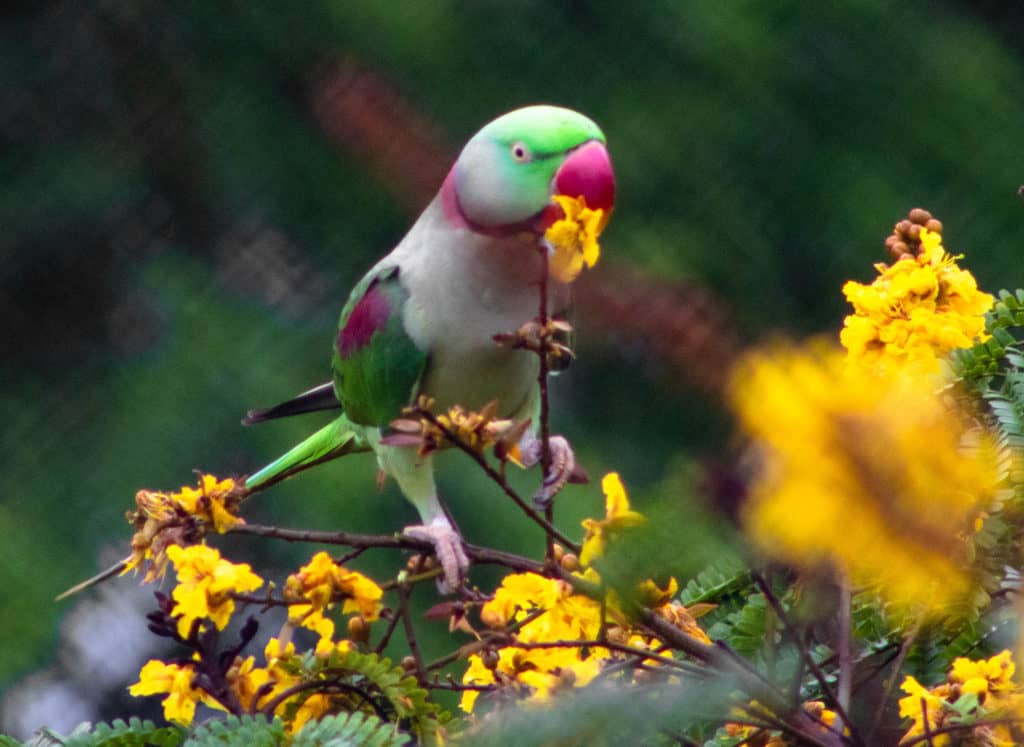
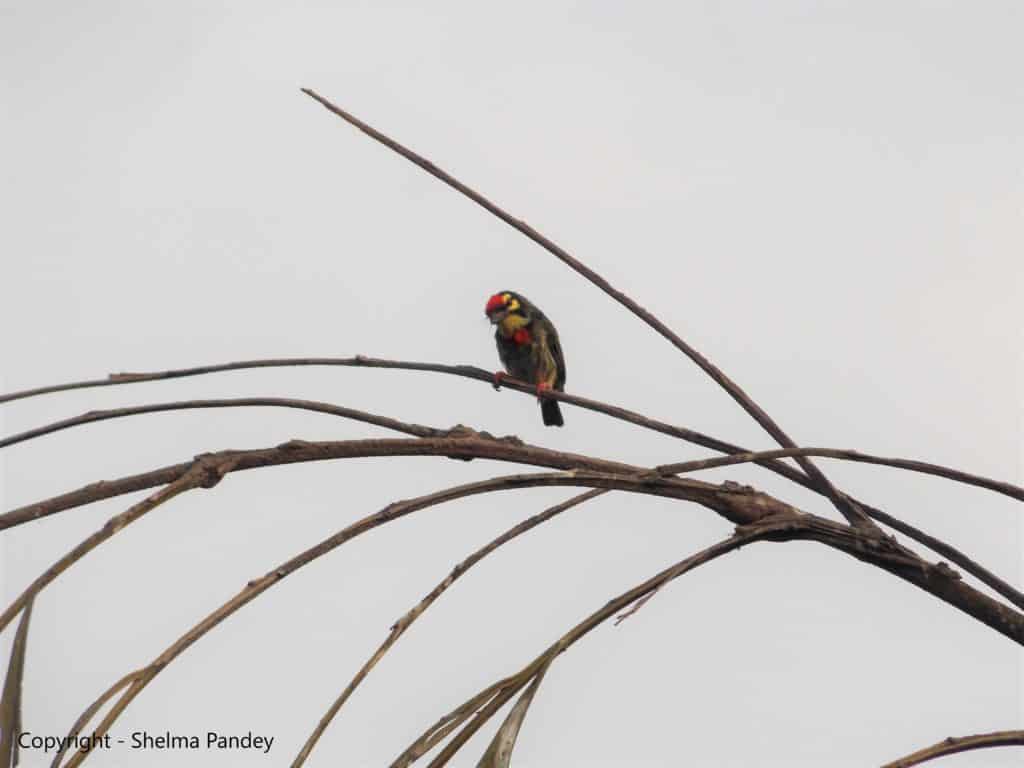
To help Mumbaikars identify birds and their calls, a team of enthusiasts (comprising of naturalists Mahesh Yadav, Bhushan Yadav, Mangesh Kadam and Pallavi Parab, birdwatcher Yogesh Patel, and photographer Madhuri Deshmukh) made a three-minute audiovisual (AV) of birds that can be seen in Mumbai’s residential areas. The AV is uploaded on the Sanjay Gandhi National Park (SGNP) official facebook page and can be seen here.
Shardul S. Bajikar, naturalist from SGNP, said that they want to extend this campaign by focusing on garden spaces in Mumbai where birds thrive. “We can’t ask people to go out at this time, so we thought of focusing on calls and photographs.”
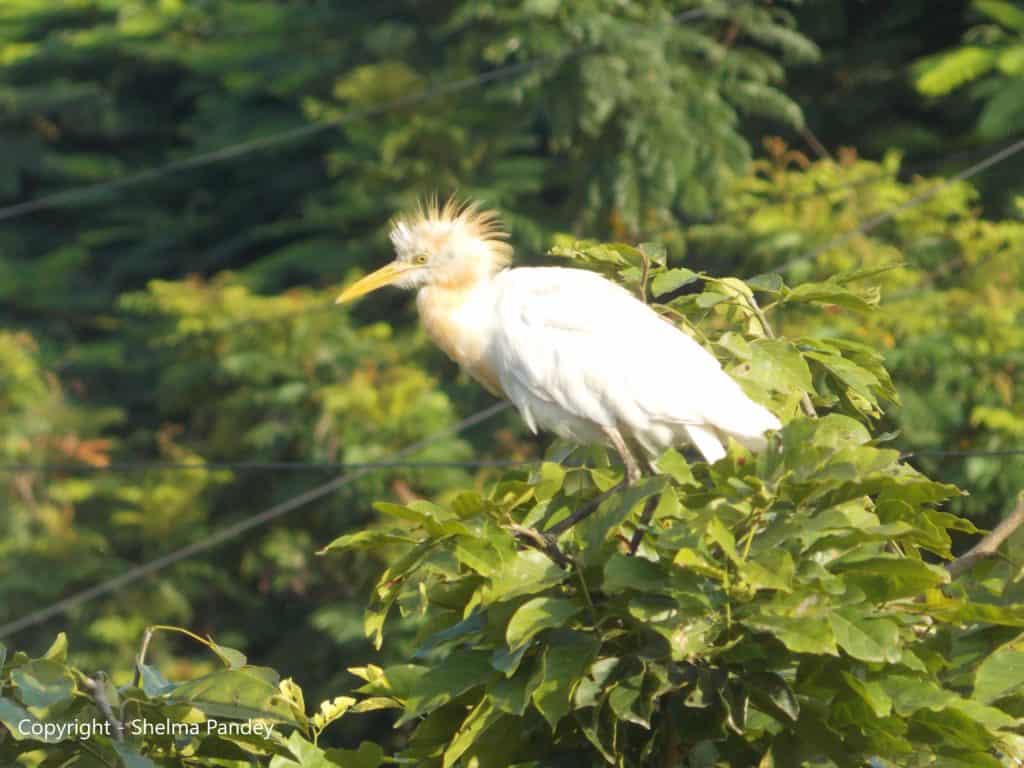
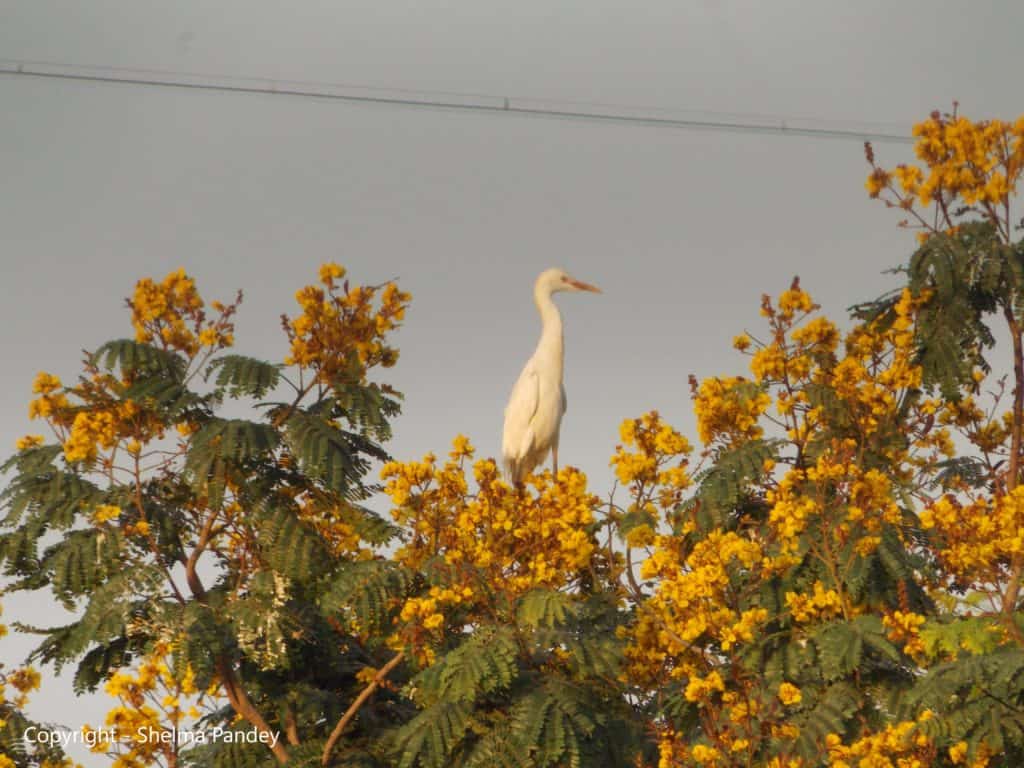
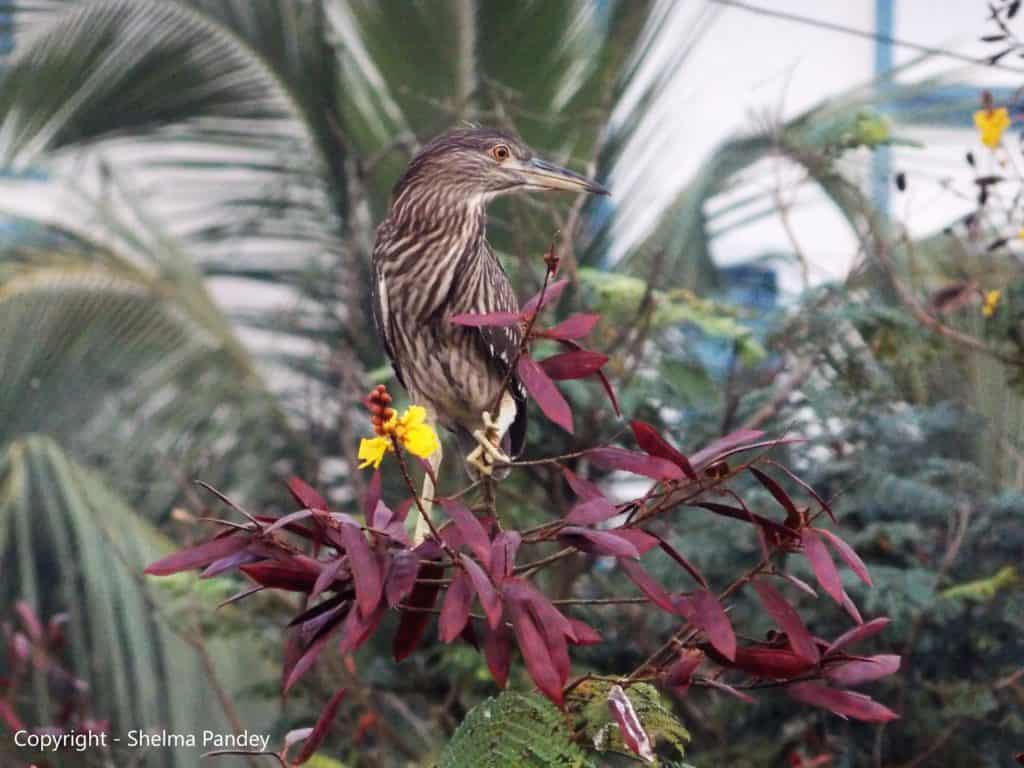
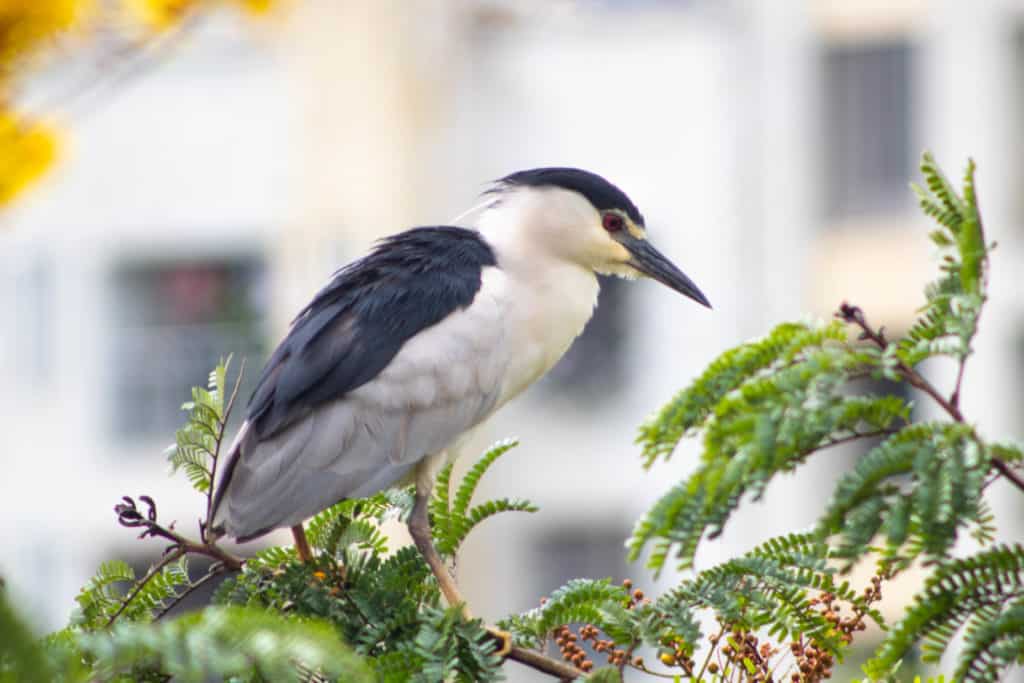
The air and noise pollution-free environment lured some of the less-seen and migratory birds too. “There have never been any magpies in Mumbai, but now I can see magpies from my window. In fact, a magpie has made my birdhouse her home. I watch them bring in lizards and feed their chicks,” said Vijesh Bhoir, an animal and nature lover from Borivali.
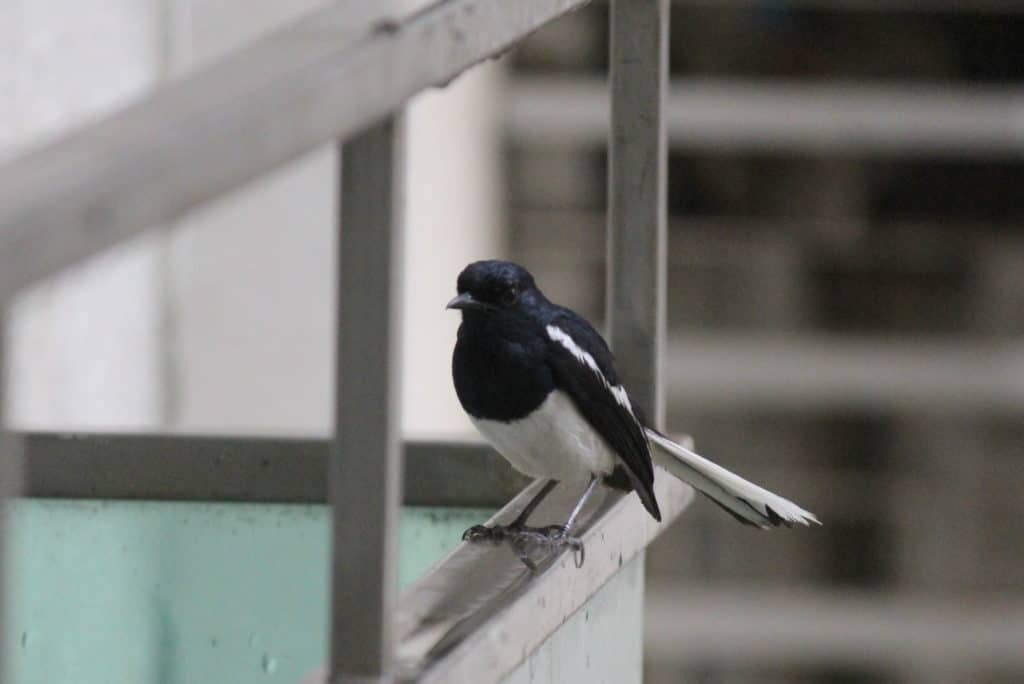
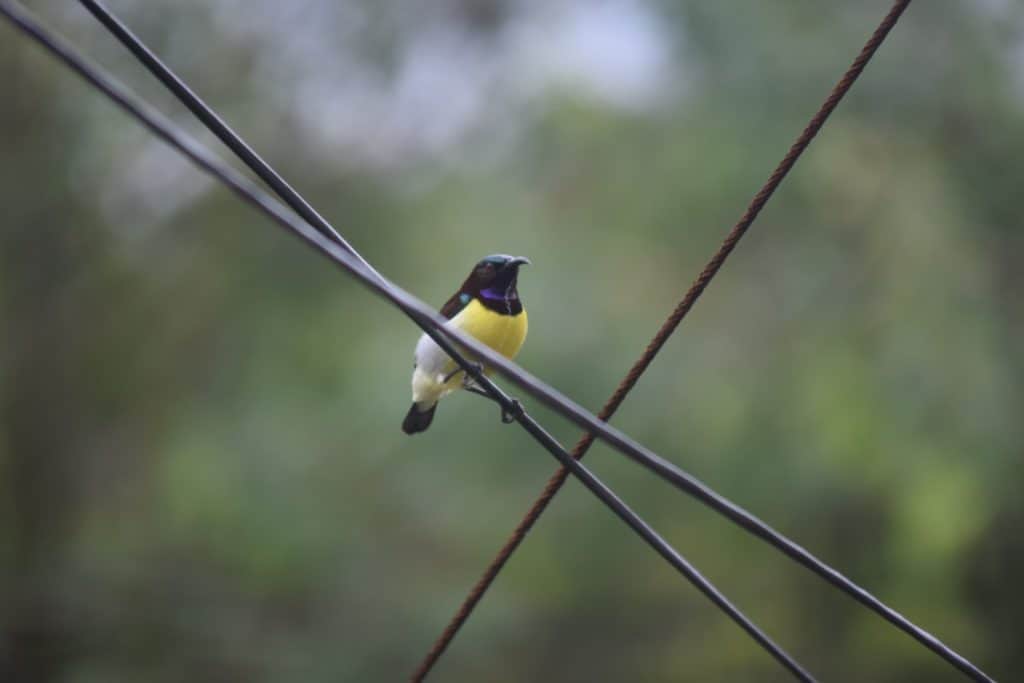
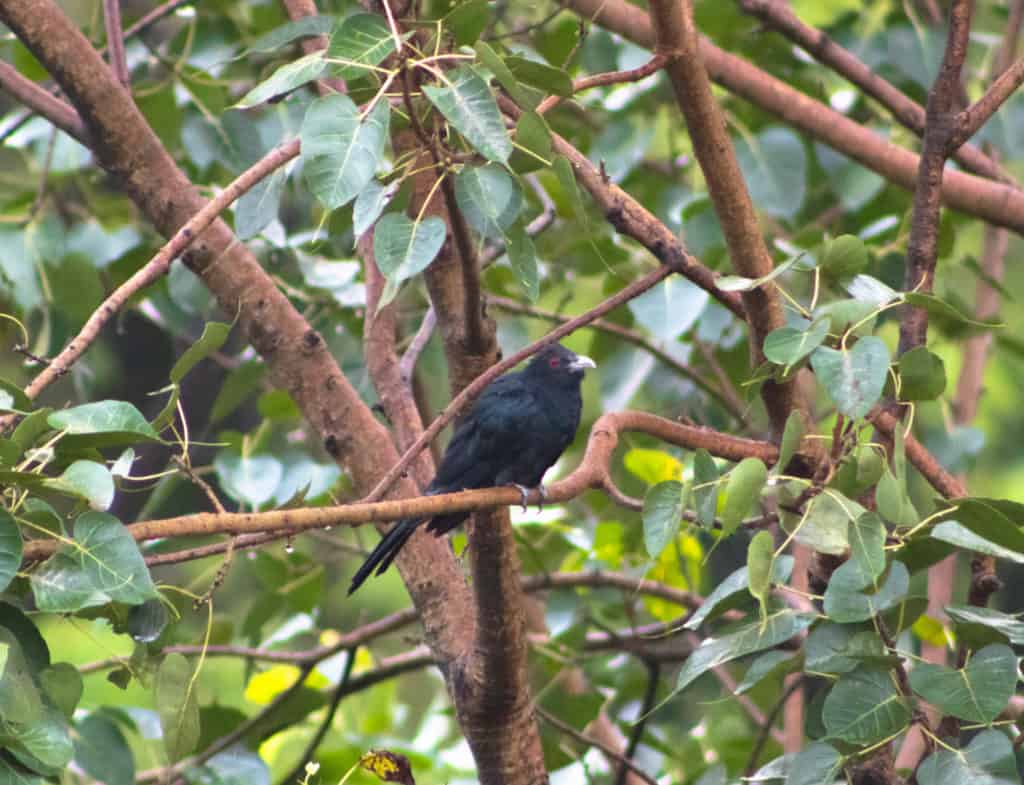
Naturalists like Bajikar however, say, migratory birds always come to Mumbai for a short period of time. “In the lockdown, people just had more time to closely witness and enjoy them, ” he said.
Over 300 species of birds have been sighted in Mumbai. As no systematic study has been done, it appears that during the lockdown, the birds were coming from other areas. “I won’t dismiss personal experiences. People have reported to me about sighting several birds that they have never seen before, but it needs to be backed by scientific data,” said Bajikar.
Unlike other cities, Mumbai has a thriving flora and fauna and no special zones need to be created. “Apart from SGNP, we already have a flamingo sanctuary in Thane Creek, mangrove forests in Versova and many nature parks. We can see the resilience of nature as it grows in wilderness and concrete. We just haven’t paid enough attention to it and taken it for granted. We need to be more sensitive to our environment,” Bajikar added.
Whether the birds have migrated or already existed, there is no doubt that sightings of birds have added a hue and calmness to the days. Some feel nature has finally found its right place. “We have exploited nature so much, but now the birds got their chance to reclaim what belongs to them. It is because of our greed today, we are caged inside our houses and they have the liberty to roam free,” said Shalini D’Souza, a teacher and resident of Borivali West.
Also read:
Give birds a chance to live naturally