Bas saaru and massoppu.
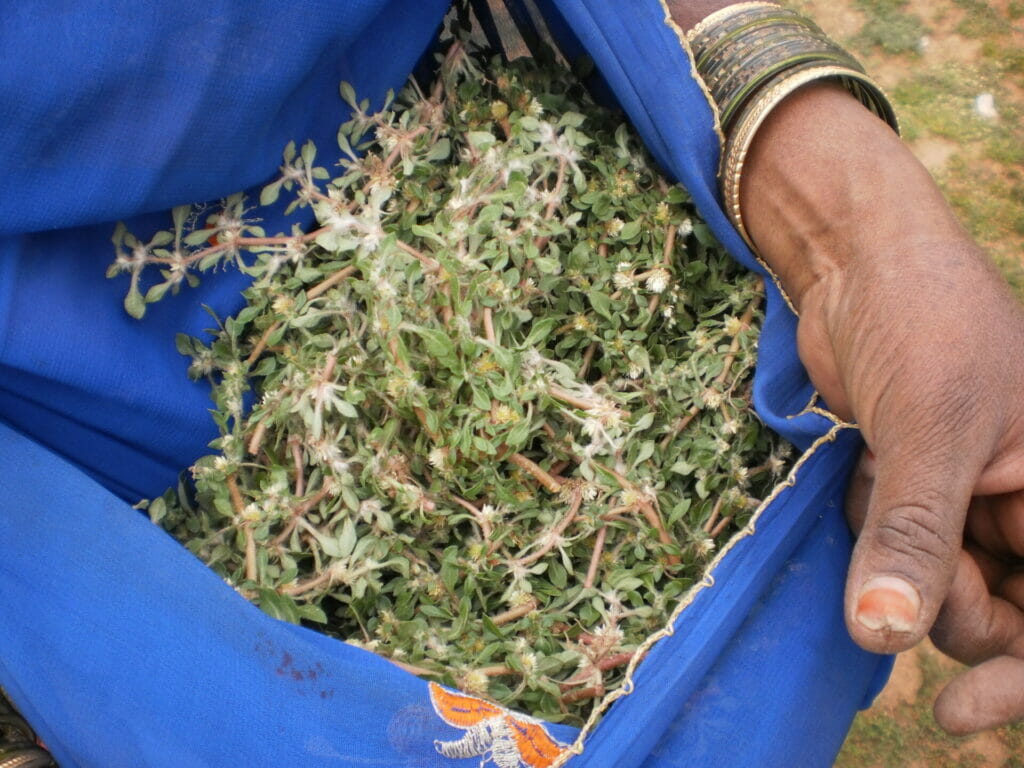
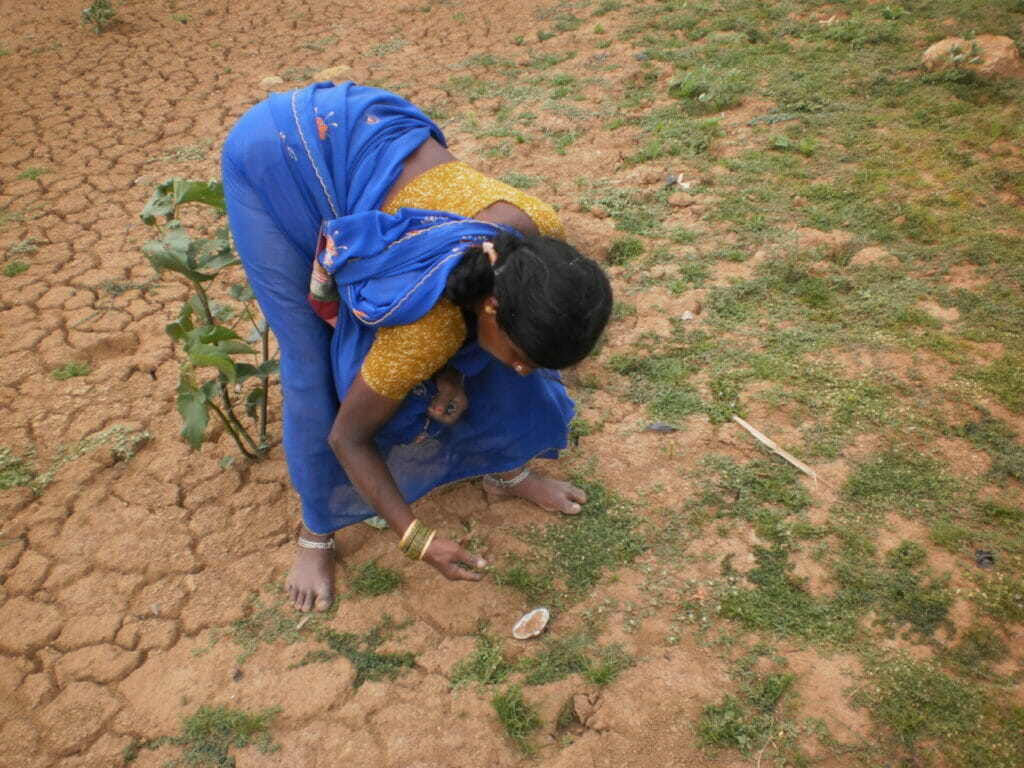
These curries made of mixed greens are staples in homes of Bengaluru residents. But these greens are not always bought in the market. They are also gathered from sidewalks, little strips of soil beside the road, from drains, and around lakes. The act of gathering such edible plant species, from private or public spaces in the city, is called urban foraging, and it is a common practice across the globe.
Experts on local wild plants
In Bengaluru, it is mainly middle-aged or older women from low-income backgrounds who forage. These women are vital knowledge holders and experts on the local wild plants around them. They know what parts of the plants are used for food, medicine, or cultural uses, and which is the best season to forage. They also have delicious recipes of curries, chutneys, pickles that have been passed down through generations.
Sadly, as the city has developed and urbanised, these foragers are losing access to the spaces where these greens were found. Yet, so many people still forage for wild plants across the city. It is a dying art, one which needs to be repopularised.
Dhurthi Somesh, one of the co-authors’ interest in plants in the city made her approach plant enthusiasts Harini Nagendra and Ranjini Murali, of Azim Premji University, resulting in the book, Chasing Soppu. Rohit Rao joined in to do the illustrations.
Read more: Biodiversity loss from mega real estate projects: What is missing, what can be done?
About Chasing Soppu
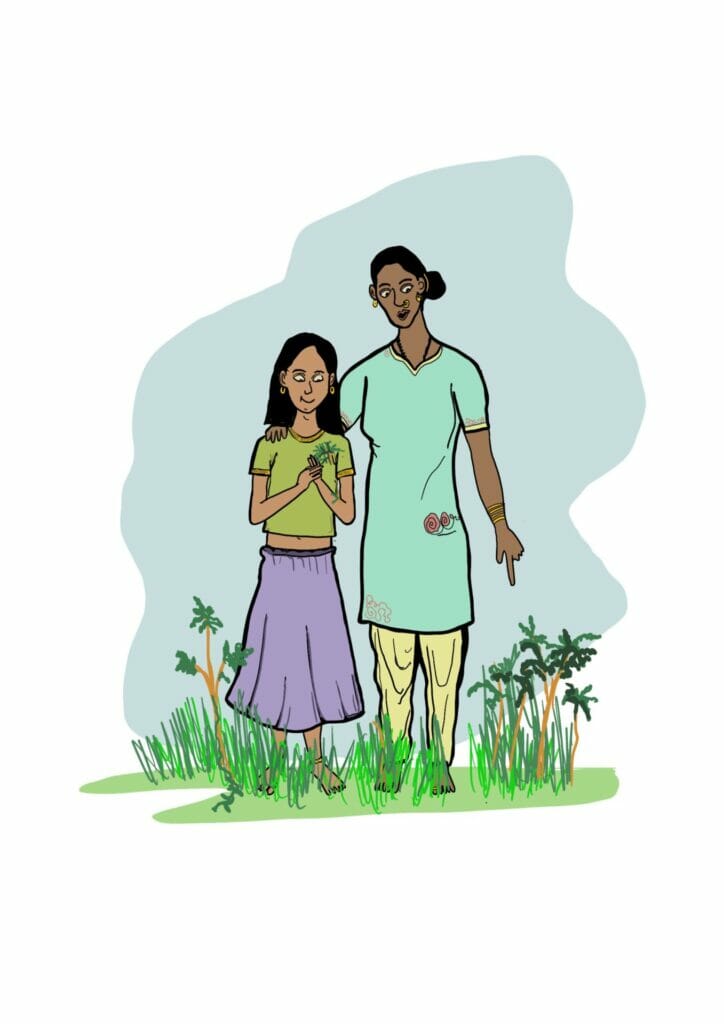
Chasing Soppu is a guide to wild edible plants of Bengaluru. In this book, there is an introduction to 53 forageable species in the city. For each, there is a guide for identification. There is also a collection of local recipes, shared by women foragers we spoke to, which can be used to cook these plants. The book has some home remedies as well.
We hope Chasing Soppu stimulates you to learn more about the plants around, and encourages you to contribute to rewilding the city for foraging by leaving a patch in your garden or the local park for these plants to grow wild. We hope you will be on the look-out for knowledgeable foragers, like the ones mentioned in this book, and tag along with them on foraging trips to learn about these little-known aspects of nature in namma Bengaluru. We hope the book will contribute some richness and variety to your diet.
Excerpts from Chasing Soppu:
“Why do people forage? In cities, especially where almost everything is available in the market, why take the trouble of climbing the fence around Ulsoor lake to collect less than 500 gms of a soppu (Kannada for “leafy vegetable”)? Well, people forage for a variety of reasons.
In Bengaluru, we know that people collect wild plants to use in cooking, as medicine, and for cultural practices, like ritual bathing, warding off evil spirits, or religious worship. The leaves of some plants are added to the bathwater used by new mothers, and leaves and pods of specific plants are used as talismans to protect infants. Wildflowers are used in worship, especially during certain harvest festivals like Sankranti. “
“When I was very young, my father had lost his job, and all we could afford to buy was rice.
My mother supplemented our diets with wild foraged greens. I have since developed a taste for these foraged plants. I do not remember the plants my mother collected. Ayurveda practitioners and cooking shows on television share recipes with wild plants. I request my local greengrocer to buy such plants from KR market or Russell market for me.” (Shared by one of the women we interviewed).
Read more: Price rise forcing Bengaluru’s poor to change their cooking and eating habits
A recipe in the book
Dosa with wild greens
- Dosa rice (4 cups) or equal parts of dosa rice and jowar flour (2 cups each) is allowed to soak overnight with a fistful of urad dal
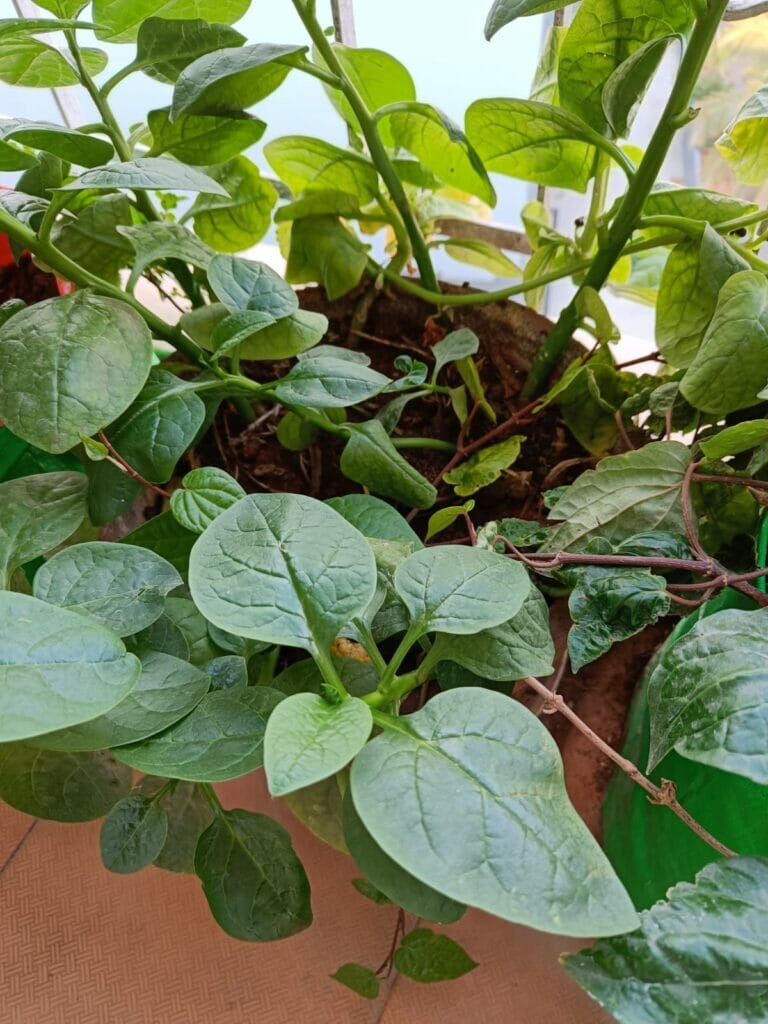
- 4 cups of Basale soppu (Basella alba) is ground with the rice, jowar and dal into a batter of pourable consistency
- Salt and cumin seeds are added to the batter
- This batter is used immediately without fermentation.
Chasing Soppu is brought out by Azim Premji University, as part of the effort to share research done on nature in the city and urban sustainability at the University with a wider audience. The digital copy of the book is available on their website. For a hard copy or to know more about the book write to seema.mundoli@apu.edu.in.