The redevelopment of historic neighbourhoods, more often than not, are perceived as a threat to culture. This notion is not unfounded, as conservation is a complicated process involving lived experiences and infrastructure that, to many, is home; built through decades of a community’s history and its people. Is it, then, possible to evolve a community through development while preserving its culture entirely? Mumbai’s Bhendi Bazaar is an interesting case to study in this regard.
Efforts to rehabilitate
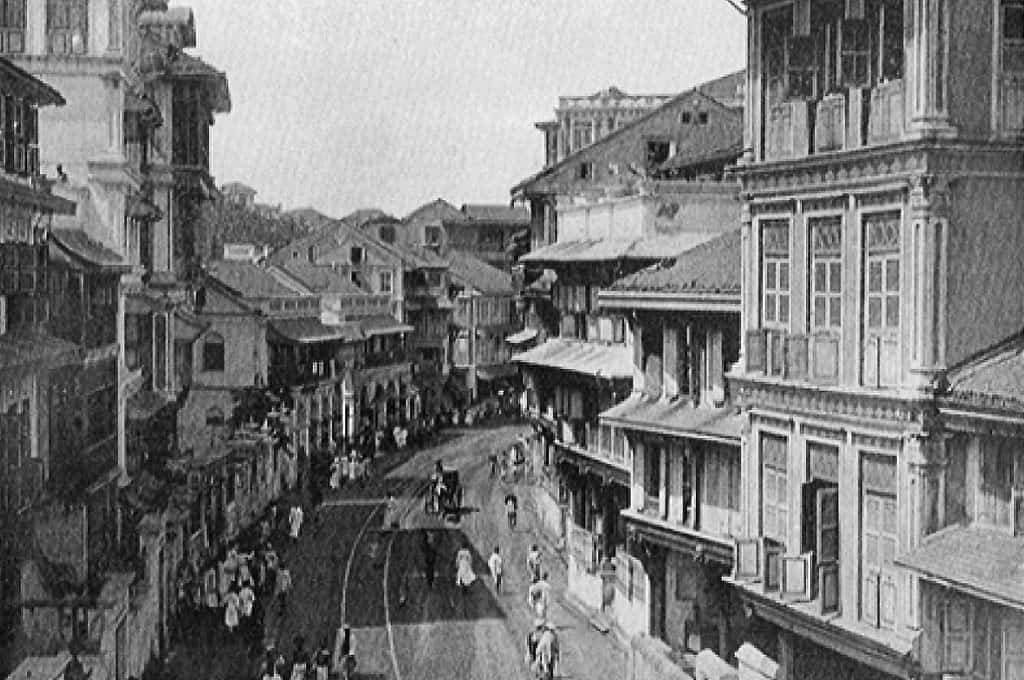
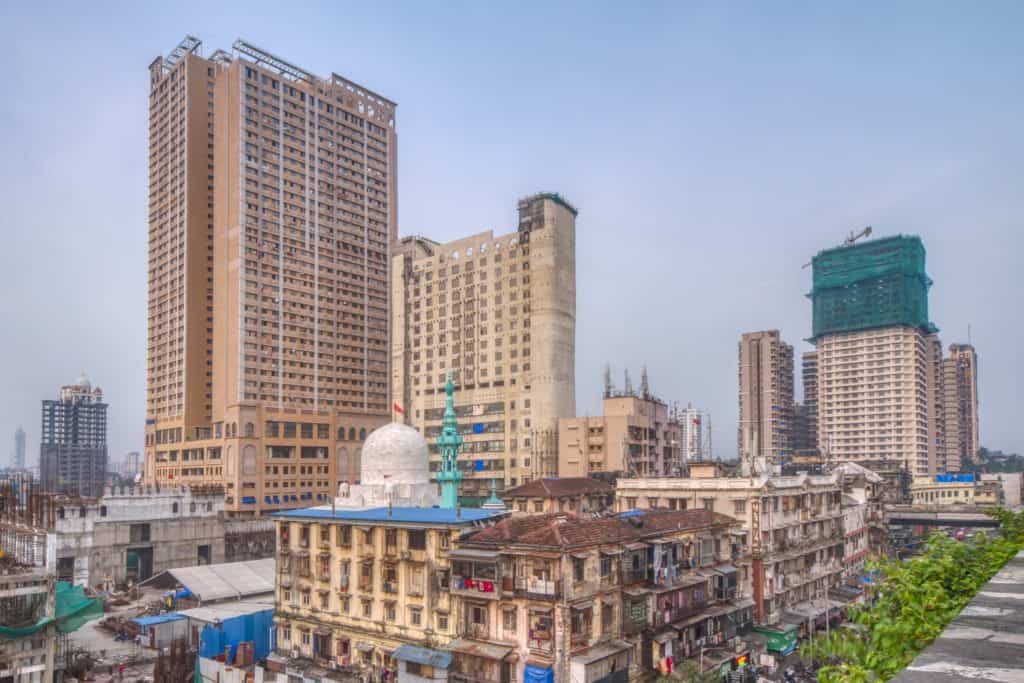
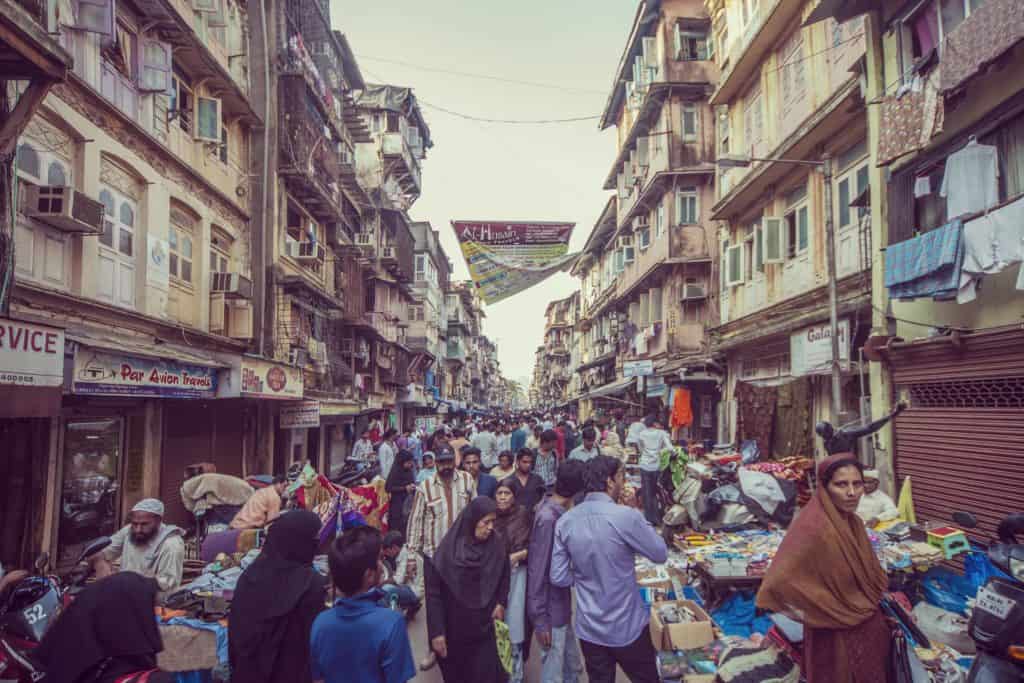
South Mumbai’s 150-year-old Bhendi Bazaar is home to more than 20,000 people and 3200 families. The bazaar is a space of rich history that is unfortunately threatened by dilapidating infrastructure. To address this, in 2009, the Saifee Burhani Upliftment Trust (SBUT) initiated a project to upgrade its infrastructure, keeping the residents’ socio-cultural requirements fundamental. This was envisioned by the 52nd Dai Al-Mutlaq, His Holiness Dr. Syedna Mohammed Burhanuddin of the Dawoodi Bohra community.
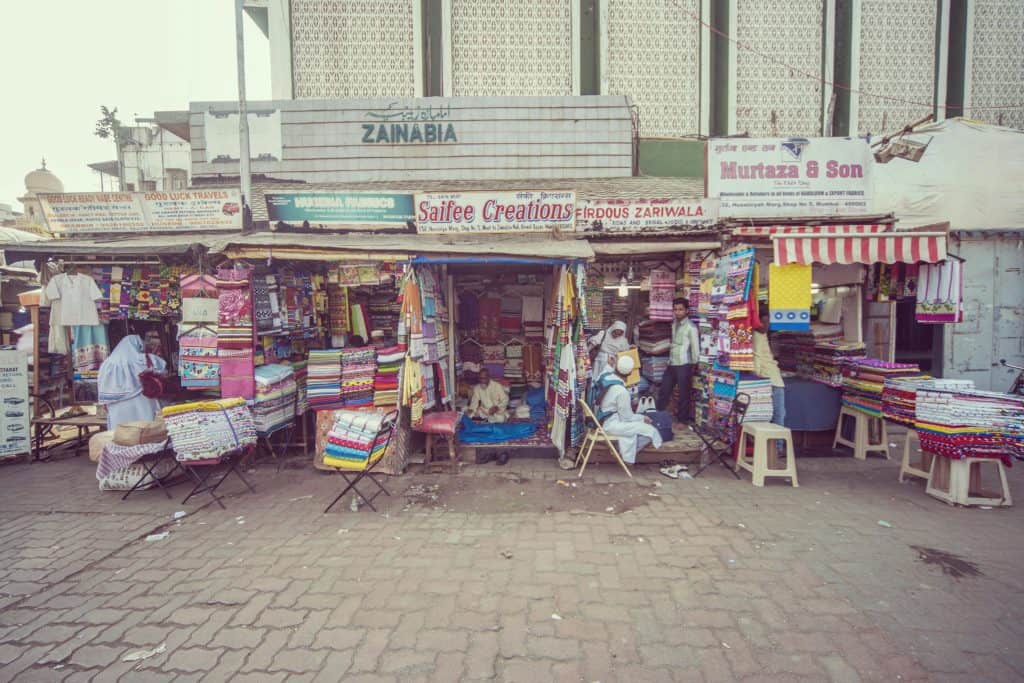
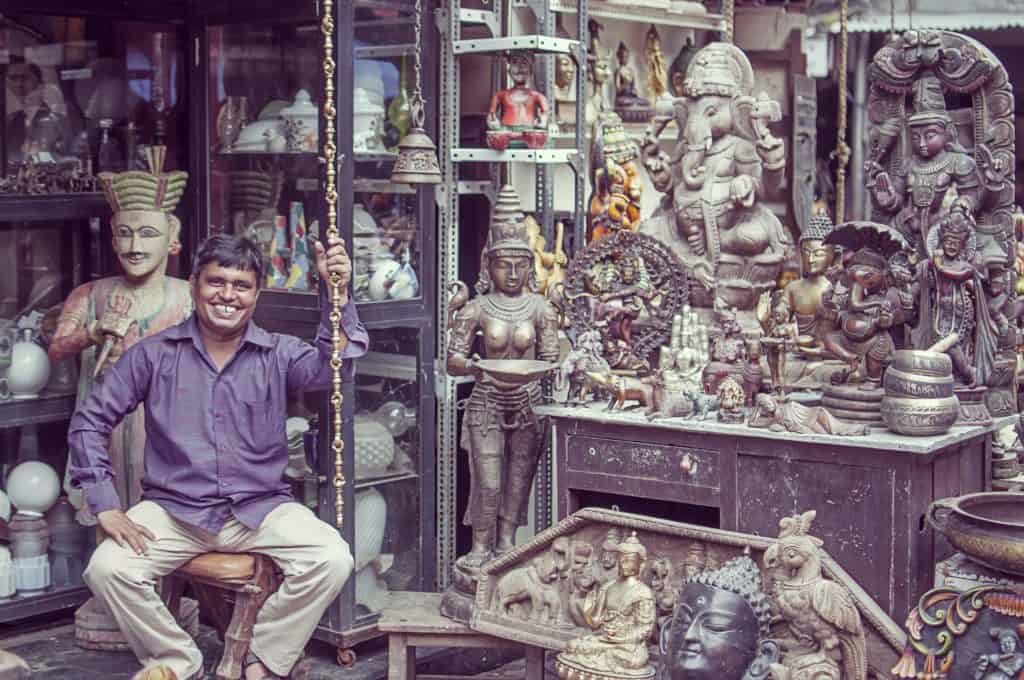
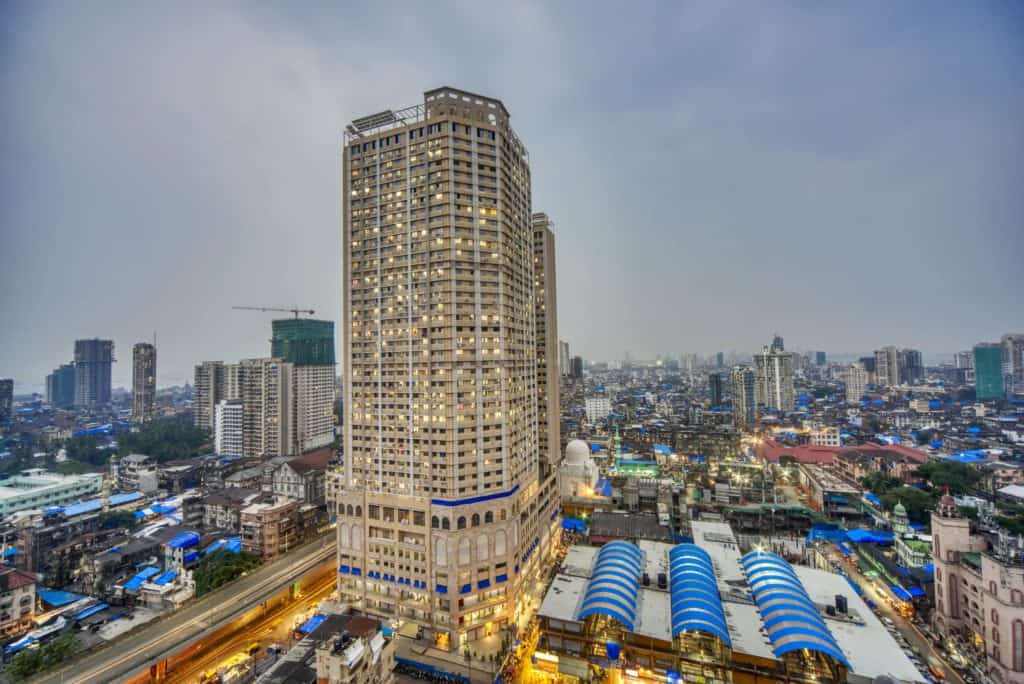
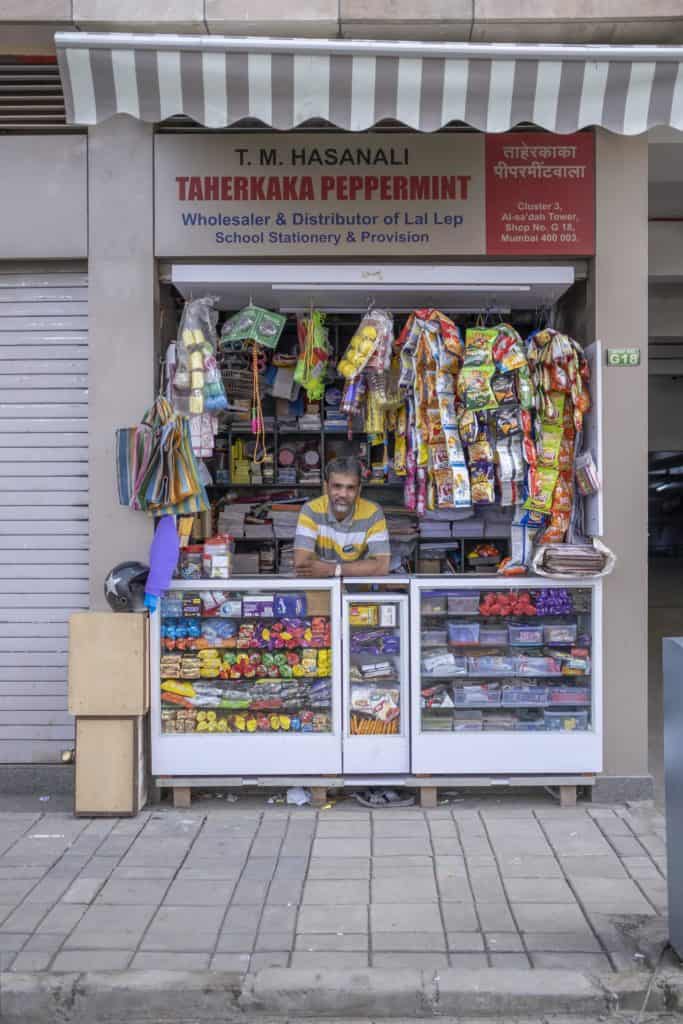
However, this move serves a larger purpose. The project recently brought 610 families and 128 businesses from transit accomodation to the first completed phase of the redevelopment project. Some areas fall under the BMC, some don’t, so transit accommodations are sometimes provided by builders and sometimes by the BMC. SBUT ensures that all residents are provided a transit home near their existing home. The residents are now owners of their own homes and shops.
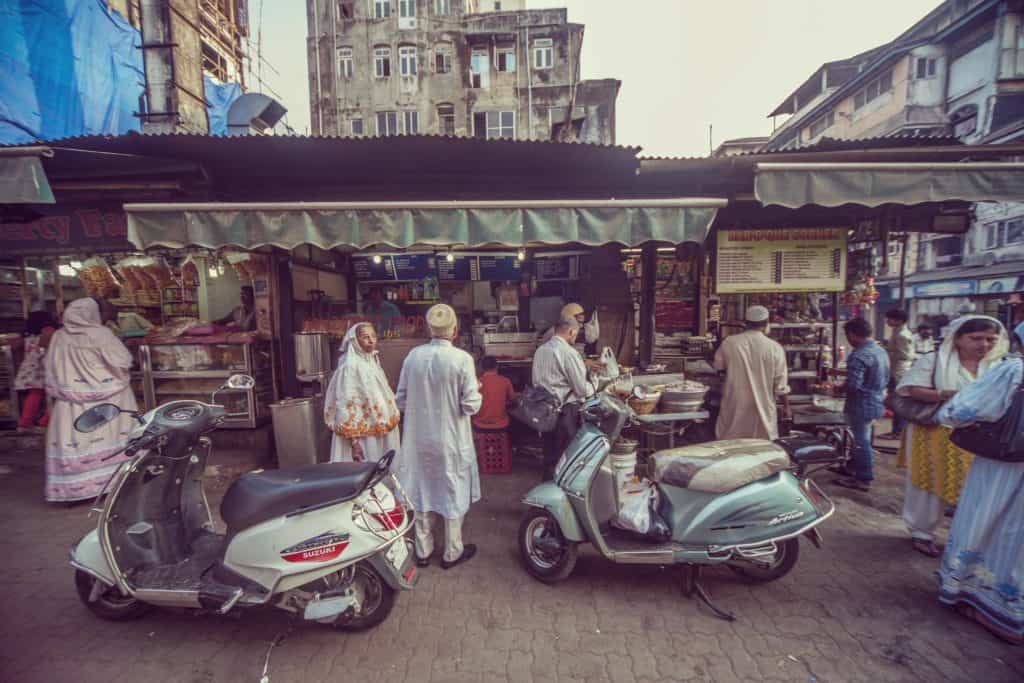
Saifuddin Bhavnagarwala, a retired resident in the area, has been living with his family in Bhendi Bazaar for many decades. Now 85-years-old, he has witnessed the neighbourhood grow from quaint homes to apartments. “I believe the community has embraced change from two perspectives. One, the older generation is relieved that their kids and grandkids will now grow up with a better quality of life in a place that is safe, healthy, hygienic and has adequate space for kids to play and learn. Two, the newer generation is realizing the socio-economic opportunities and understanding the power of a community.” he says. “We no longer have to worry about the 5am hustle to fill water or stand in queues to access common toilets. Our homes are not under the threat of collapsing. And although the distance between two homes in the community may have increased a little, the feeling of our mohalla has not changed a bit.”
Read more: An appeal from Golibar residents to move towards a ‘slum-free’ Mumbai
How the pandemic affected the densely populated area
At the peak of the COVID-19 lockdown, for clustered areas in Mumbai, containing the spread of the virus was challenging. The closely built homes and short lanes made it difficult for ambulances or medical help to reach on a timely basis, directly impacting access to medical services, on top of already existing problems with sanitation. The pandemic was a wake up call.
Read more: Mumbai housing societies gear up to tackle third wave of the pandemic
“One of the reasons that residents of Bhendi Bazaar were safe during COVID-19 is that there was support from the community. People from all generations volunteered to provide relief, provisions, homes and community kitchens, etc.” Tasneem Saria, a mother of two young kids, said.
While Bhendi Bazaar prepares itself for redevelopment, a proposed ‘smart city’, it will continue to maintain its historical community living, but in sky-rise apartments. “For our older generation, at large, they feel much secure sitting down with their friends on the podium during evenings. It is also reassuring, especially keeping in mind our kids, that despite the redevelopment we have not broken away from our culture,” Tasneem added.
Information provided by Saifee Burhani Upliftment Trust
Redevelopment area like gulal wadi also.. dilapidated buildings all over south Mumbai..